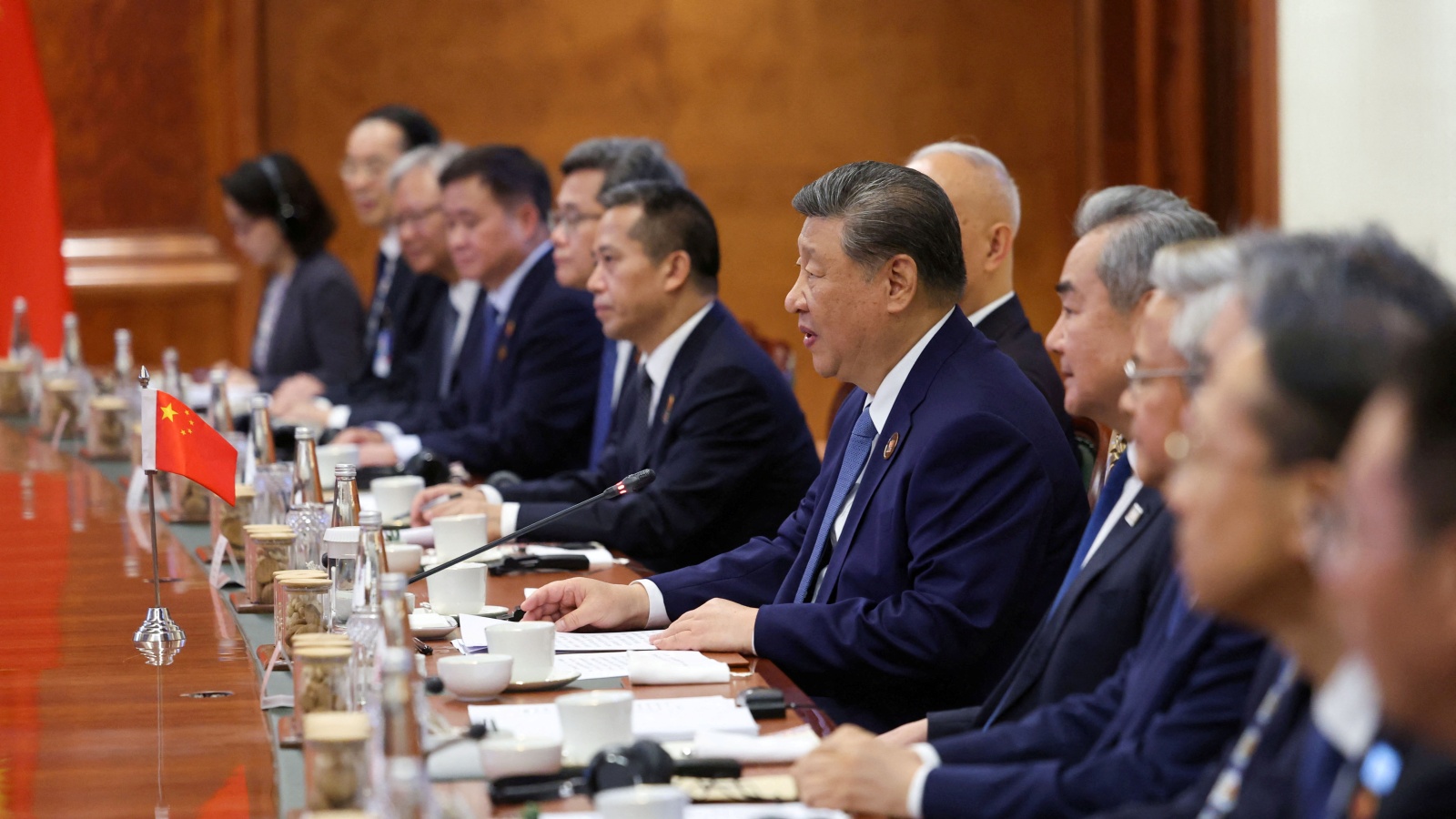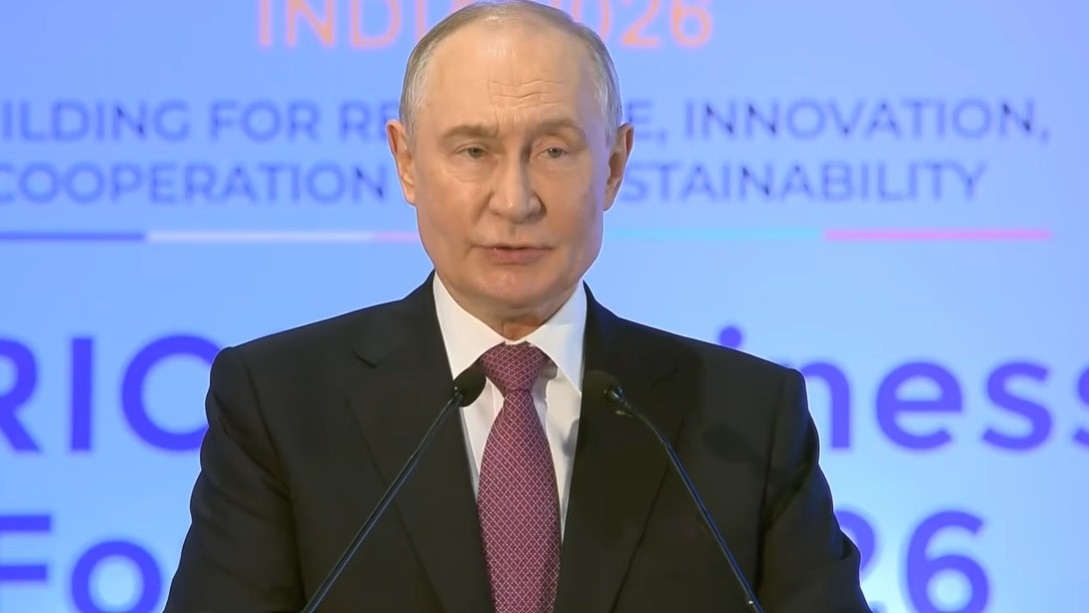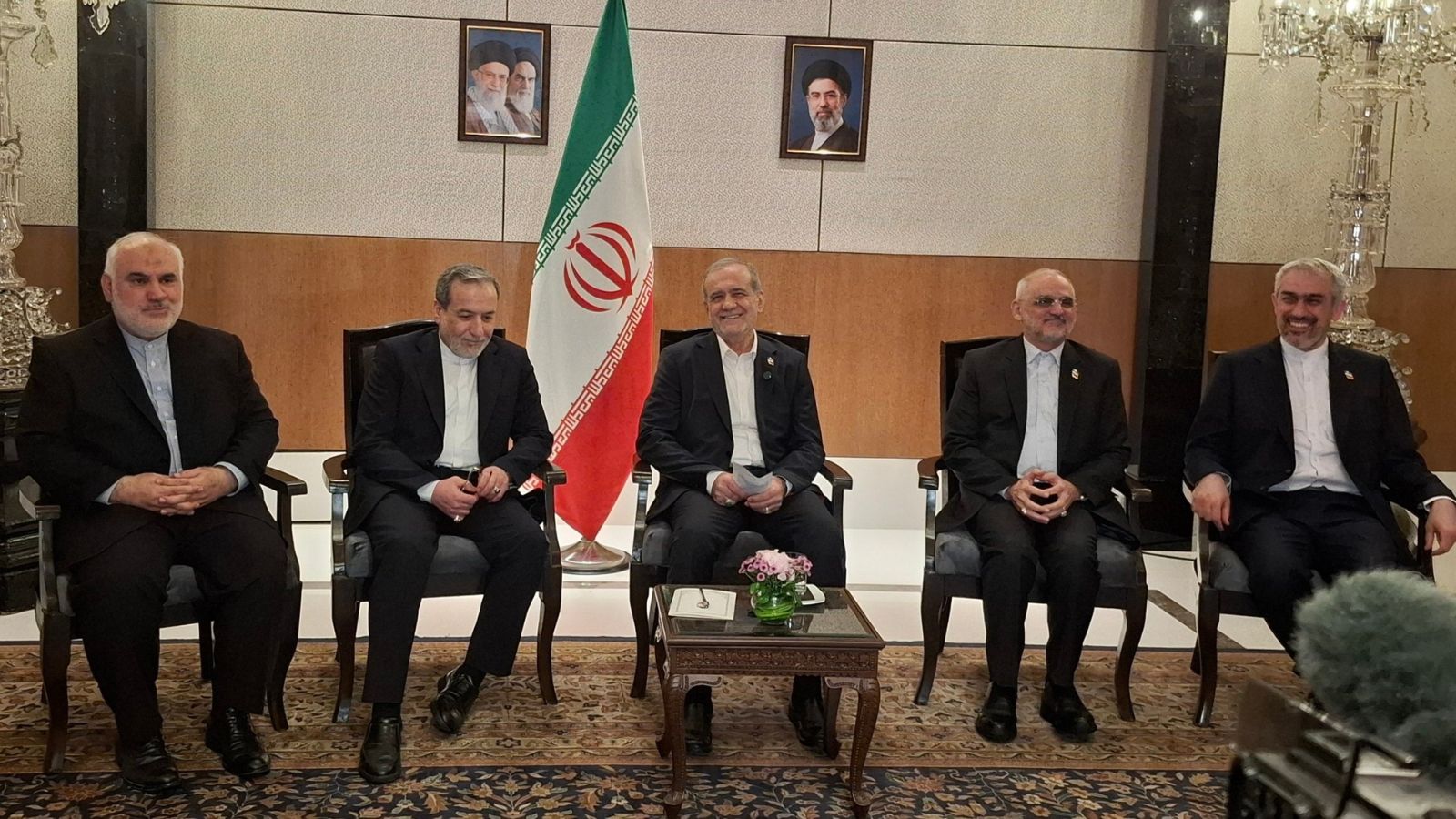
During the 2026 BRICS Summit in New Delhi, Iranian President Masoud Pezeshkian announced a landmark agreement with the UAE to move past historical tensions and focus on future cooperation.
- Iran and the UAE have agreed to move beyond past disputes to focus on future cooperation.
- President Pezeshkian held brief but significant discussions with leaders from Russia and China.
- US President Donald Trump expressed indifference toward the diplomatic rapprochement.
In a significant diplomatic breakthrough during the BRICS Summit 2026 in New Delhi, Iranian President Masoud Pezeshkian announced that Iran and the United Arab Emirates (UAE) have agreed to "put the past behind us and look to the future." This announcement followed high-level discussions with the Crown Prince of Abu Dhabi, signaling a potential thaw in regional relations.
A New Economic Frontier
Beyond the UAE, President Pezeshkian emphasized the expanding reach of Iranian diplomacy. He noted that he engaged in brief but meaningful exchanges with the Presidents of Russia and China. According to the Iranian Embassy in India, these discussions point toward a "promising outlook" for the expansion of economic cooperation, potentially creating a powerful economic bloc that bypasses traditional Western-led structures.
The rapprochement between Tehran and Abu Dhabi could redefine the economic architecture of the Middle East.
Why This Matters
BozokMedia analysis shows that this diplomatic pivot is not merely about bilateral ties but represents a broader realignment. As Iran strengthens its economic ties with BRICS-aligned nations like Russia and China, it effectively builds a hedge against Western economic sanctions, while the UAE seeks to balance its strategic interests between the West and emerging Eastern powers.
Historical Background
For decades, the relationship between Iran and the UAE has been characterized by suspicion and regional rivalry. However, the shifting global economic landscape and the rise of multi-polar diplomacy have forced both nations to reconsider their strategic priorities, prioritizing trade and stability over historical animosity.
Frequently Asked Questions
1. What was the reaction from the United States?
US President Donald Trump stated he "doesn't care" if Gulf nations meet with Iran, asserting that such diplomatic decisions are up to those nations.
2. What is the focus of Iran's new diplomatic strategy?
Iran is focusing on expanding economic cooperation with major powers like Russia, China, and the UAE to ensure long-term economic stability.