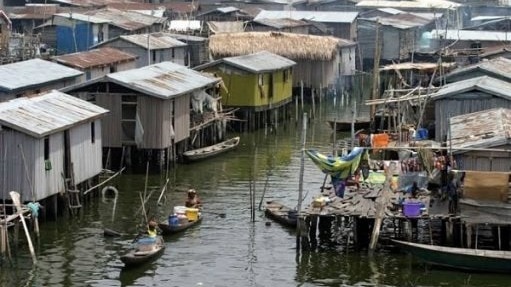
Nestled beneath Lagos's Third Mainland Bridge lies Makoko, a unique community living on stilts over the water. Discover the stories of resilience and struggle in this floating world.
- Makoko is known as the 'Venice of Africa,' built entirely on stilts over water.
- The local economy is driven almost exclusively by fishing.
- The community faces severe shortages of clean water and sanitation.
- Rising sea levels and government demolitions pose existential threats.
Imagine waking up to the sound of lapping waves instead of traffic. In the heart of Nigeria's economic powerhouse, Lagos, lies a world that defies conventional urban logic. Situated directly beneath the iconic Third Mainland Bridge, the settlement of Makoko exists in a realm where streets are replaced by waterways and boats are the primary mode of transport.
Makoko's roots stretch back to the 18th and 19th centuries, established by the 'Egun' and 'Ijaje' fishing tribes migrating from the Benin Republic and coastal Nigeria. A significant portion of this community is anchored to the Lagos Lagoon via deep-set mahogany stilts, creating a sprawling, floating labyrinth that has become a symbol of both ingenuity and extreme poverty.
Economy and Daily Life
Life in Makoko revolves around the rhythm of the tides and the abundance of the lagoon. Fishing is the lifeblood of the community; while men venture into deeper waters, women manage the local economy by selling fresh catch or dried fish in floating markets. From barbershops to churches and mosques, the entire social fabric is woven onto the water.
Makoko's existence serves as a profound testament to human adaptability in the face of extreme environmental and economic constraints.
BozokMedia analysis shows that while the community exhibits remarkable self-sufficiency, it operates under a veil of systemic neglect. Only an estimated 10% of households have access to piped water, forcing the remaining 90% to purchase expensive water brought in by boat.
Why This Matters
As the global community grapples with the realities of climate change, Makoko stands as a living laboratory. The community is on the front lines of rising sea levels, yet they face a dual threat: environmental catastrophe and urban displacement. Government demolition drives, such as those in 2012 and early 2026, have repeatedly left thousands homeless in the name of urban redevelopment.
Historical Background: Originally a peaceful fishing village, Makoko's population exploded as Lagos transformed into a sprawling megacity. This rapid urbanization turned the settlement into a sanctuary for those seeking refuge from the city's rising costs, leading to the dense, stilt-based architecture seen today.
| Feature | Modern Lagos | Makoko Settlement |
|---|---|---|
| Transport | Roads and Buses | Boats and Waterways |
| Housing | Concrete Buildings | Stilt-based Wooden Structures |
| Primary Industry | Services and Industry | Fishing and Trade |
Frequently Asked Questions
1. Why is Makoko called the Venice of Africa?
Due to its unique structure of houses built on stilts over water and the reliance on boats for movement.
2. What are the biggest threats to Makoko residents?
The community faces threats from waterborne diseases, lack of sanitation, rising sea levels, and government-led demolitions.