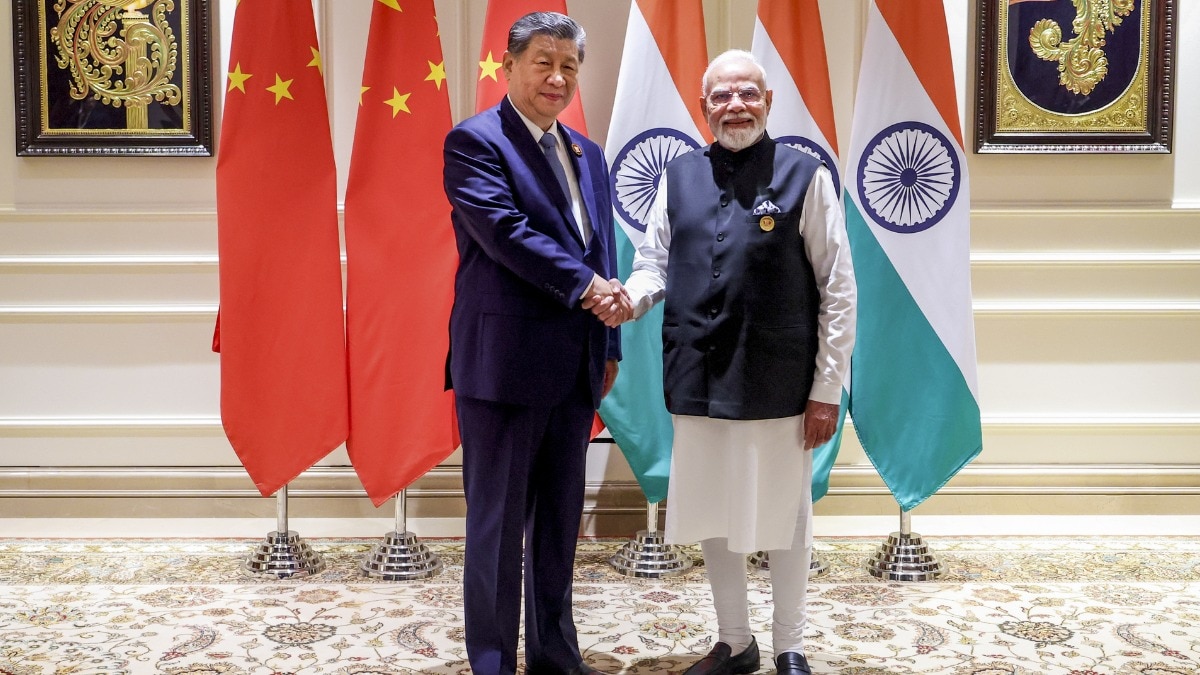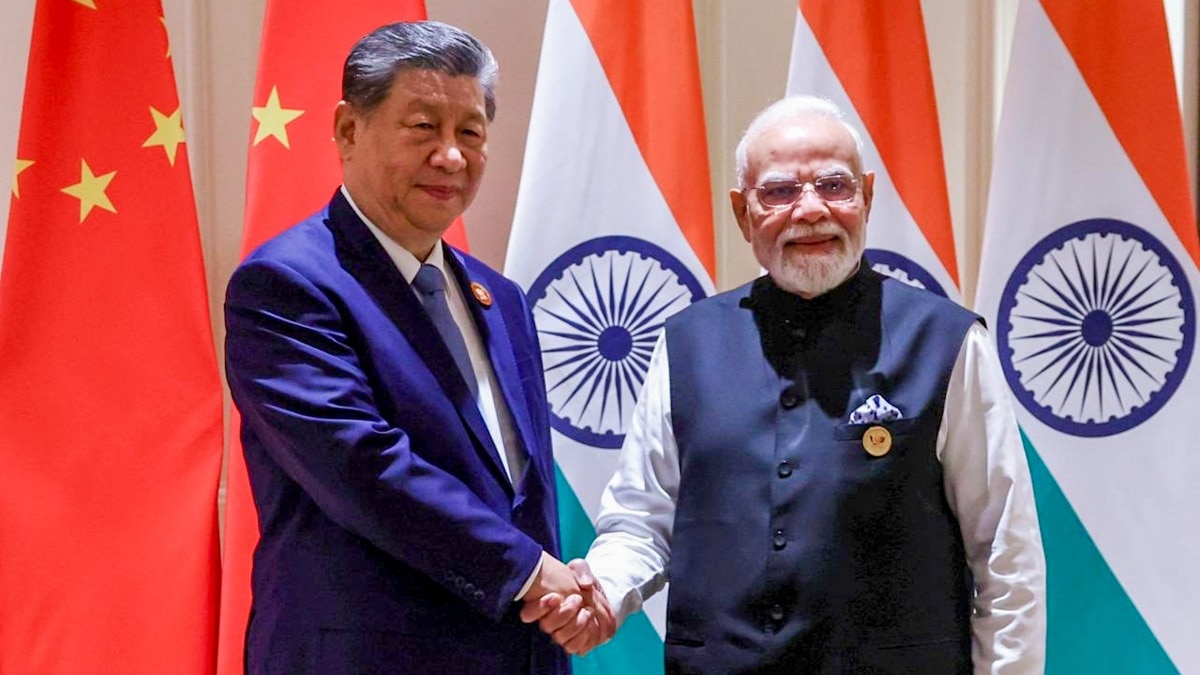
The meeting between PM Narendra Modi and President Xi Jinping during the BRICS summit in New Delhi marks a significant shift toward a new phase of trust-building. Chinese media reports highlight progress in border management and bilateral stability.
- PM Modi and President Xi Jinping held their third consecutive annual meeting.
- Chinese media labeled the meeting as a 'new phase of trust building.'
- Positive signs in border management, trade restoration, and direct flights.
- Potential for deeper cooperation via BRICS, SCO, and G20.
New Delhi: In a significant diplomatic development at the BRICS Summit, the relationship between the world's two most populous nations, India and China, appears to be entering a transformative stage. According to a report by the Chinese state-run media, Global Times, the bilateral meeting between Prime Minister Narendra Modi and President Xi Jinping has moved the bilateral ties into a fresh phase of confidence building.
Following previous summits in Kazan (2024) and Tianjin (2025), the New Delhi meeting is being viewed as a crucial step toward turning strategic consensus into tangible outcomes. Wang Shu, Executive Deputy Director at Peking University’s Center for South Asian Studies, noted that while previous meetings helped stabilize relations, this meeting focuses on institutionalizing that stability.
Why This Matters
BozokMedia analysis shows that the stabilization of India-China relations is a cornerstone for global geopolitical equilibrium. As both nations navigate complex regional dynamics, their ability to manage borders and enhance economic synergy directly impacts the stability of the Global South and international trade corridors.
Political trust between two major powers is built through concrete steps like border management and increased economic exchange.
The report emphasizes that recent progress in border management agreements, the restoration of border trade, and the resumption of direct flights serves as empirical evidence of this warming trend. These measures are designed to reduce the risk of miscalculation and enhance people-to-people connectivity, which has been strained in recent years.
Historical Background: The bilateral relationship has historically been characterized by intense competition and territorial disputes, most notably the 2020 Galwan Valley standoff. However, the consistent engagement through multilateral platforms like BRICS has provided a necessary channel for high-level dialogue, facilitating a gradual de-escalation process.
Frequently Asked Questions
1. What is the significance of the Modi-Xi meeting in New Delhi?
It marks the third consecutive year of leadership meetings, signaling a sustained effort to build trust and manage differences.
2. How is China reacting to the current state of relations?
Chinese media, specifically Global Times, has expressed optimism, viewing the interaction as a move toward high-quality and comprehensive cooperation.