Iran is intensifying its military operations against US forces and shipping lanes while its Houthi allies pressure Saudi Arabia. This calculated escalation aims to maximize economic and political costs.
- Iran has intensified attacks on US warships, bases, and strategic shipping lanes.
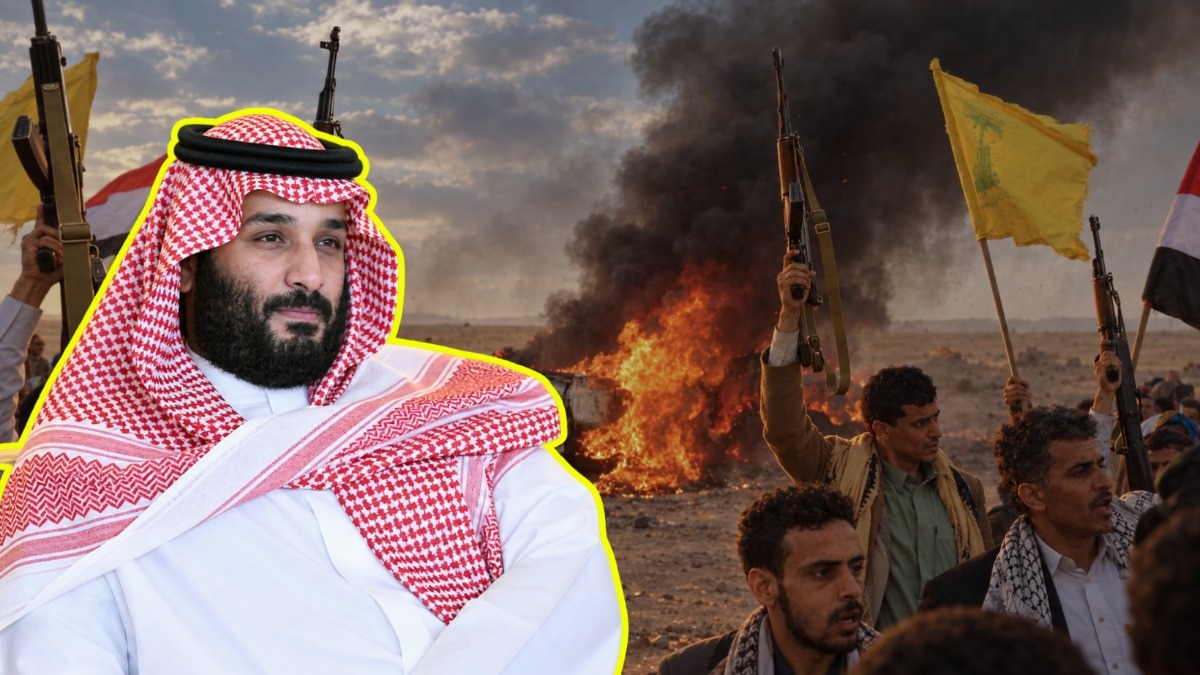
- Houthi allies have seized Perim Island and Mokha, impacting Saudi Arabian security.
- Tehran plans to establish a new 'Prohibited Zone' beyond the Strait of Hormuz.
- Advanced technology, including potential AI misuse, is being integrated into Iranian warfare.
The geopolitical landscape of the Middle East is shifting rapidly as Iran moves from a defensive posture to a highly calculated offensive strategy. By escalating attacks on US forces and expanding its influence through Houthi proxies in Yemen, Tehran is signaling that the era of 'proportional response' is over. The recent seizure of Perim Island at the mouth of the Bab al-Mandab Strait and the capture of the port city of Mokha have placed immense pressure on Saudi Arabia, directly impacting global energy security.
Technological Evolution: One of the most alarming aspects of this escalation is the integration of advanced technology. Despite heavy sanctions, Iran's missile and drone production remains robust. Reports suggest the use of highly maneuverable warheads, likely aided by technical intelligence from Russia and China. Furthermore, the AI firm Anthropic revealed that Iranian-linked groups attempted to use American-developed AI models to track US warships by analyzing satellite imagery and transponder data.
Why This Matters
BozokMedia analysis shows that Iran is not merely seeking tactical victories but is playing a long-term game of economic attrition. By driving oil prices toward the $110 mark and challenging US naval dominance in the Persian Gulf, Tehran is attempting to create a political crisis for the US administration that could last well beyond the upcoming midterm elections.
The rules of conflict have changed; any aggression against Iranian interests will be met with a faster, heavier, and more painful response.
The strategic shift is further evidenced by the announcement of a new 'prohibited zone' by Iran's Supreme National Security Council. This zone, intended to extend beyond the Strait of Hormuz, aims to defy US blockades and increase the operational costs for any tanker passing through the region under US protection. Iranian officials claim their missile technology has become significantly more 'intelligent' over the past year.
| Strategic Element | Previous Approach | Current Iranian Strategy |
|---|---|---|
| Response Mechanism | Proportional | Heavy, Fast, and Painful |
| Technology Focus | Conventional Missiles | AI-integrated & Maneuverable Warheads |
| Operational Area | Strait of Hormuz | Expansion into Persian Gulf/Red Sea |
Frequently Asked Questions
1. How has the conflict affected global oil markets?
Attacks on Saudi infrastructure and strategic maritime chokepoints have pushed oil prices to approximately $110 per barrel.
2. Is the US military effectively deterring Iran?
While the US has responded to attacks, Iranian-backed militias continue to find success in targeting bases and shipping, suggesting a high level of resilience in Iran's proxy network.