In a historic meeting at the BRICS Summit, PM Modi and President Xi Jinping have reached a consensus to pursue common development and maintain peace along the borders. This marks a significant shift in Asia's geopolitical landscape.
- Modi and Xi reached a 'most important consensus' to act as partners rather than rivals.
- Commitment to maintain peace and tranquility in border areas.
- Resumption of Guangzhou-New Delhi flight services after a six-year hiatus.
- Mutual support for BRICS chairmanships and multilateral coordination.
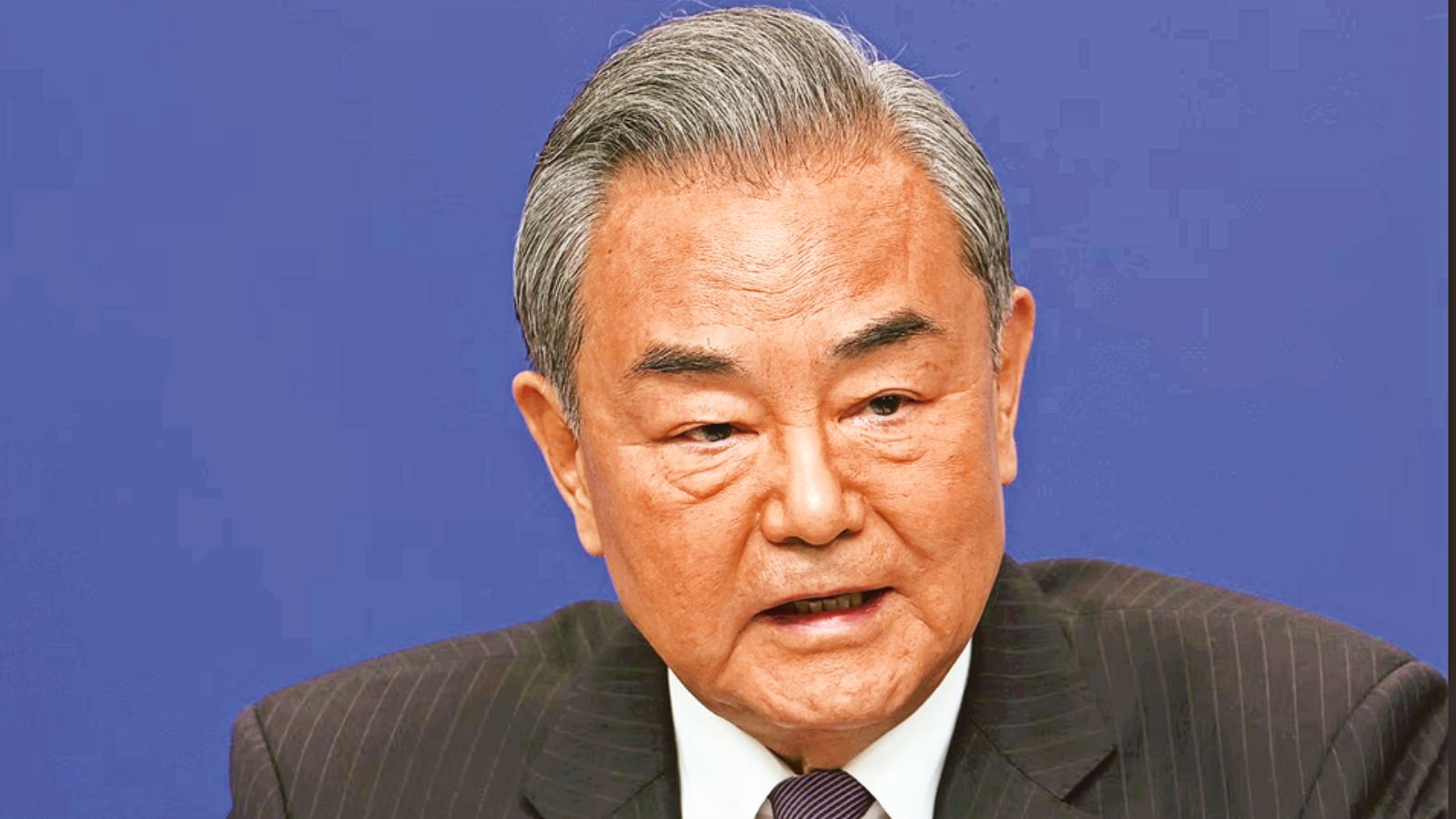
Following the conclusion of President Xi Jinping's first visit to India in seven years, the Chinese foreign ministry has signaled a major thaw in relations with New Delhi. During the 18th BRICS Summit in New Delhi, Prime Minister Narendra Modi and President Xi reached what Chinese Foreign Minister Wang Yi described as the "most important consensus": that China and India should function as partners.
According to Wang Yi, the discussions were candid and in-depth, covering strategic and long-term directional issues. President Xi emphasized that both nations can draw on each other's strengths to pursue common development. Crucially, the Chinese side noted that PM Modi reaffirmed India's independent foreign policy, stating that India would not allow its territory to be used for anti-China activities—a stance that Beijing reportedly values highly.
Why This Matters
BozokMedia analysis shows that this rapprochement is a critical pivot for the Global South. As the world faces unprecedented uncertainty, a stable relationship between the two most populous nations on Earth provides a stabilizing force for global trade and security frameworks like the UN, SCO, and G20.
The transition from border standoff to strategic partnership could redefine the entire Indo-Pacific power structure.
Adding a practical dimension to this diplomatic breakthrough, China Southern Airlines announced the resumption of regular passenger services on the Guangzhou-New Delhi route starting September 21, ending a six-year suspension. This follows the momentum gained from the October 2024 border agreement and subsequent high-level engagements.
Historical Background
Relations between India and China have been marred by significant friction, notably the Galwan Valley standoff and the Doklam dispute. These tensions, compounded by the COVID-19 pandemic, led to a complete suspension of direct air services and a chilling of bilateral economic ties. The recent series of meetings, including those in Kazan in 2024 and now New Delhi, represent a systematic effort to de-escalate and rebuild trust.
| Aspect | Pre-Agreement Status | Post-Meeting Outlook |
|---|---|---|
| Border Relations | High Tension/Stand-offs | Peace & Tranquility focused |
| Air Connectivity | Suspended (6 Years) | Resuming Sept 21 (Guangzhou route) |
| Diplomatic Stance | Conflict-driven | Partnership-oriented |
Frequently Asked Questions
1. What was the core outcome of the Modi-Xi meeting?
The core outcome was the consensus that India and China should be strategic partners and work together for common development.
2. How does this affect the BRICS summit?
The meeting strengthened the convening power of the summit and showcased a unified approach toward strengthening cooperation across the Global South.