An investigation reveals the devastating aftermath of the Noida labor protests. Despite obtaining bail, detained workers and their families face crushing debt and a constant fear of police harassment.
The aftermath of the labor protests in Noida this past April has left a trail of economic ruin and psychological trauma among migrant workers. An extensive investigation by The Indian Express, reviewing 222 bail orders across seven major FIRs, reveals a harrowing pattern: even when the law grants freedom through bail, the human cost remains unpaid.
Many of the accused faced severe charges, including rioting and attempted murder. However, judicial scrutiny revealed that mere presence at a protest does not equate to criminal intent. While courts have stepped in to release many, the financial burden of maintaining bail, attending court hearings, and visiting jails has pushed families to the brink of bankruptcy.
Why This Matters
BozokMedia analysis shows that these incidents highlight the extreme vulnerability of the migrant workforce in India's industrial hubs. When a breadwinner is detained, the impact ripples through entire families, often forcing them to migrate back to their home states in Bihar or Uttar Pradesh, abandoning their livelihoods in Noida.
'The legal victory of bail is hollow when it is accompanied by the crushing weight of systemic debt and the terror of arbitrary detention.'
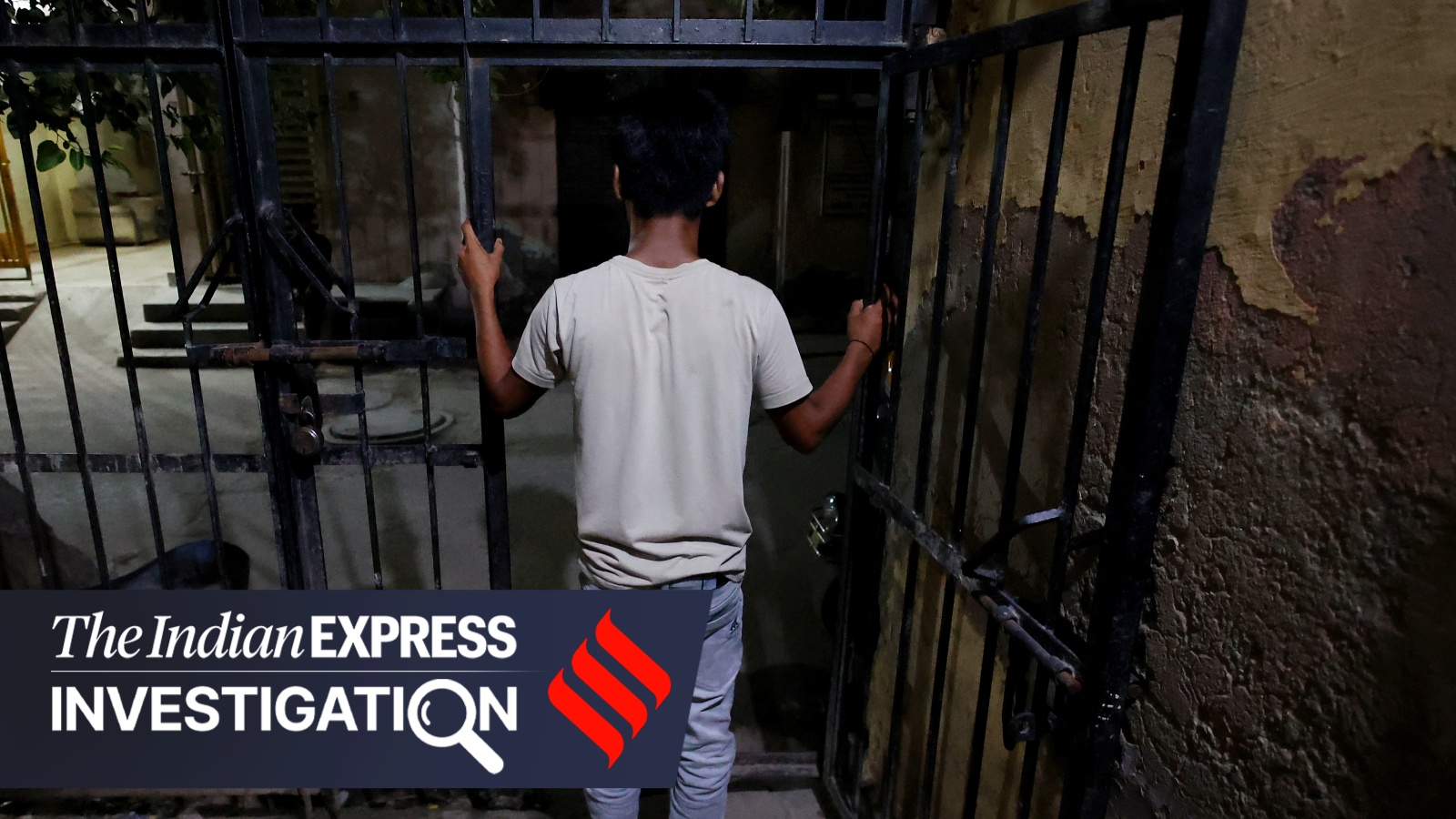
One 19-year-old worker's story stands as a stark example of the randomness of these arrests. He was picked up while simply stepping out for a meal of 'poori-sabzi.' Today, while he has returned to work, his parents live in constant anxiety, calling him multiple times a day to ensure he hasn't been snatched away by the police again.
For families from Bihar and Prayagraj, the cost of justice has been astronomical. Some families reported spending upwards of ₹3 lakh to secure the release of their loved ones, borrowing money from relatives and moneylenders to meet surety requirements.
Frequently Asked Questions (FAQ)
1. Why were the workers granted bail?
Courts found that there was no specific evidence attributing violent acts to these individuals and that presence at a protest alone is insufficient for criminal conviction.
2. What is the primary struggle for these families post-bail?
The primary struggles are massive financial debt incurred during legal battles and the persistent fear of being re-arrested without cause.