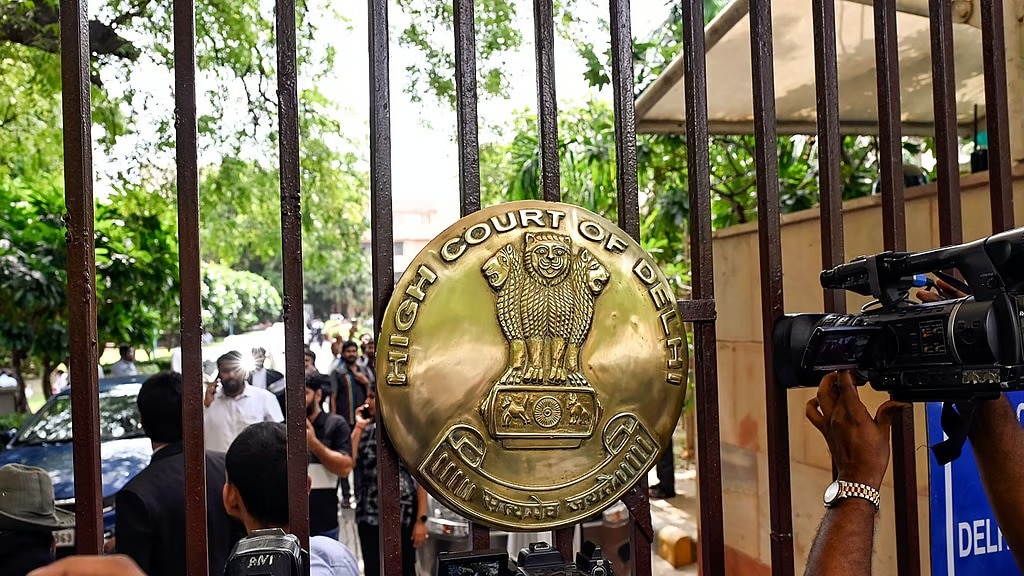
A Delhi special court has reprimanded the Narcotics Control Bureau (NCB) for failing to provide sufficient evidence while contesting bail applications. The court has demanded an official explanation from the agency's zonal director.
Key Takeaways
- The Delhi court expressed deep disappointment with the NCB's conduct regarding bail pleas.
- Officials failed to specify material evidence linking the accused to the alleged crimes.
- Special Judge Jitendra Pratap Singh has sought an explanation from the NCB Zonal Director.
- Inefficiency in prosecution assistance is contributing to heavy case pendency.
A special court in Delhi has voiced strong dissatisfaction with the Narcotics Control Bureau (NCB) regarding its manner of contesting bail applications. The court noted that officials failed to present any specific evidence or material that directly connects the accused to the alleged offenses.
While hearing a bail plea, Special Judge Jitendra Pratap Singh directed the NCB zonal director to furnish a formal explanation regarding the agency's insufficient response. The court observed that neither the original investigating officer nor the case handling officer could identify the evidence required to oppose the plea effectively.
Why This Matters
BozokMedia analysis shows that the efficacy of central investigative agencies is crucial for the swift administration of justice. When high-profile agencies like the NCB fail to present substantive arguments in court, it leads to unnecessary adjournments and complicates the legal rights of the accused, ultimately straining the judicial system.
The failure of a premier agency to link evidence during bail hearings undermines the legal integrity of the entire prosecution process.
In its order dated July 30, the court highlighted that due to the heavy pendency of matters, bail applications usually receive a 45-day notice. However, the court frequently has to adjourn hearings because of a lack of requisite assistance or clarity from the prosecution side.
Historical Background
The Narcotics Control Bureau (NCB) serves as the primary agency for coordinating drug law enforcement activities in India. Over time, as drug trafficking networks have become more sophisticated, the legal scrutiny on the agency's ability to provide airtight evidence during the investigative and trial phases has intensified.
Frequently Asked Questions
1. Why is the court unhappy with the NCB?
The court is disappointed because NCB officials could not provide specific evidence to link the accused to the crime while opposing their bail.
2. What action has the judge taken?
The judge has directed the NCB Zonal Director to provide a formal explanation regarding the agency's inadequate response in the matter.