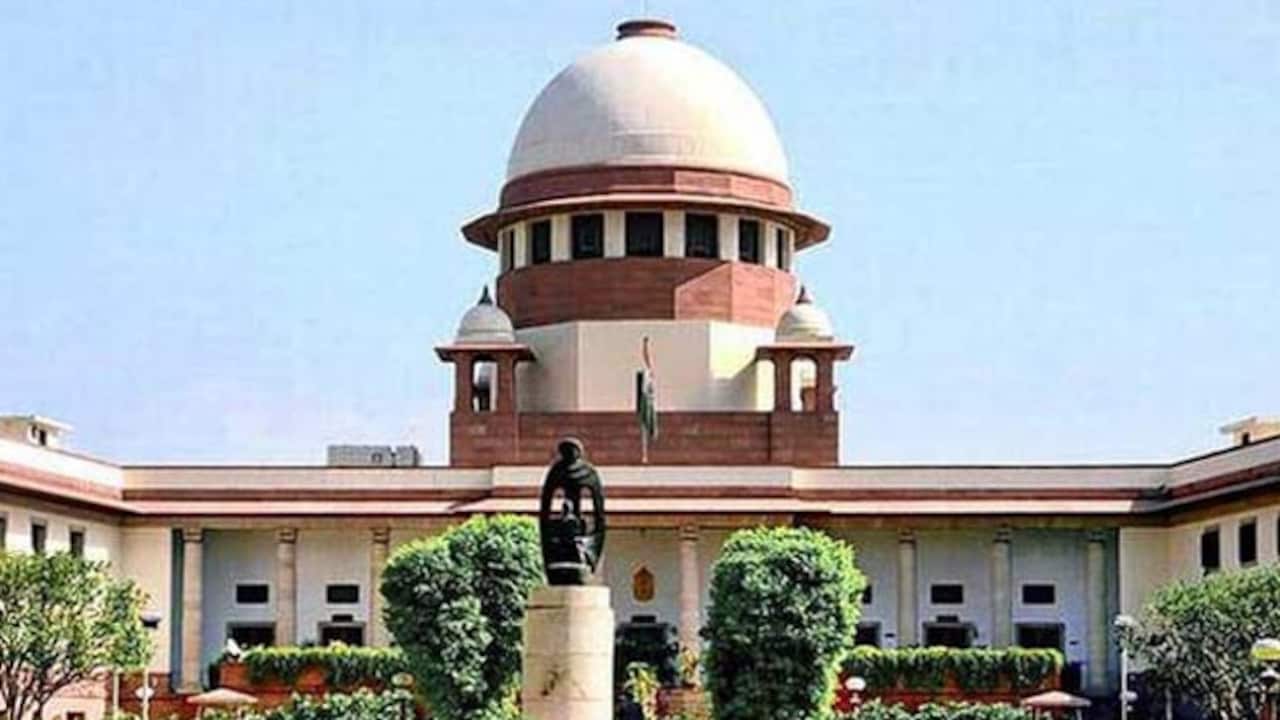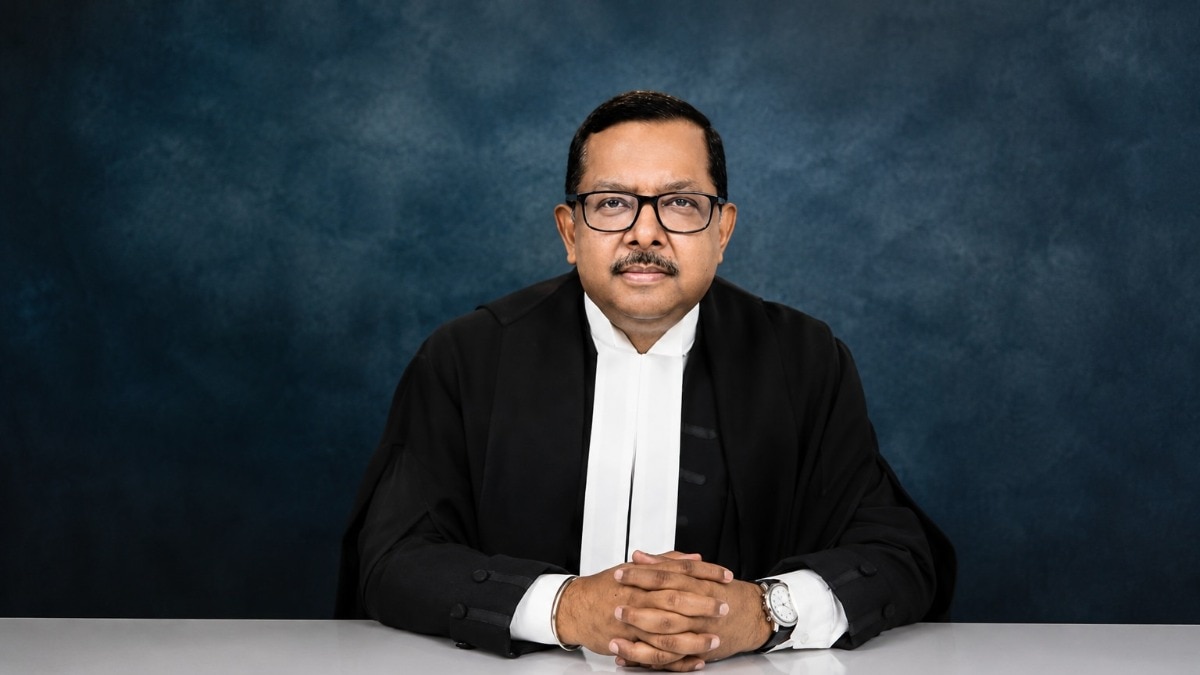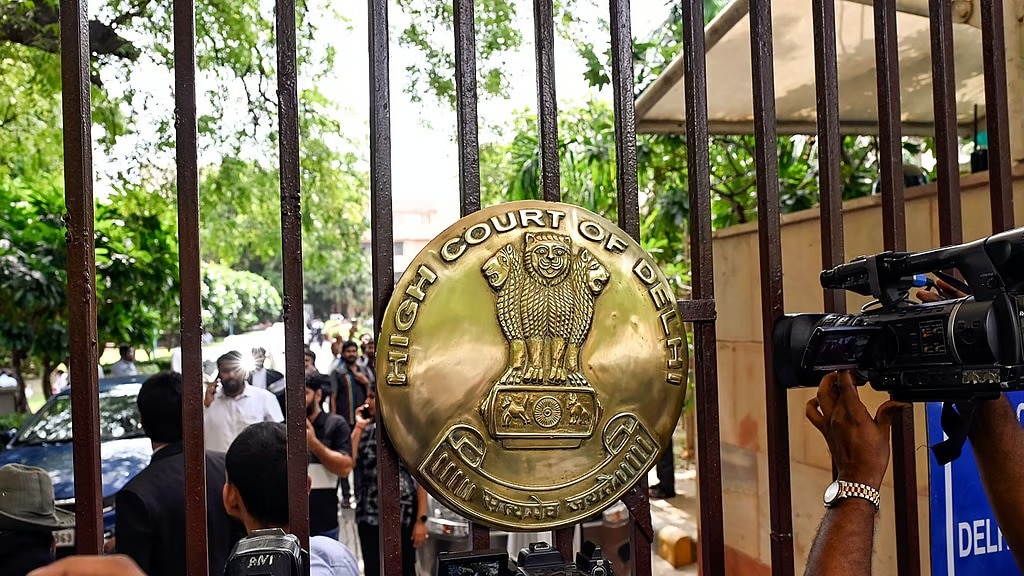
In a major judicial reshuffle, the Delhi High Court has transferred 151 judicial officers, including 13 judges, to newly created special courts at Rouse Avenue for NIA, MCOCA, and NDPS cases.
Key Takeaways
- 151 judicial officers have been transferred across Delhi.
- 13 judges are assigned to new special courts at Rouse Avenue.
- Exclusive courts have been set up for NIA, MCOCA, and NDPS cases.
- All NIA trials will shift from Patiala House to the Rouse Avenue complex.
The Delhi High Court on Saturday announced a significant administrative reshuffle, transferring 151 judicial officers across the capital. Among these, 13 judges have been posted to newly established Special Exclusive Courts at the Rouse Avenue Court Complex. These dedicated courts are designed to handle high-stakes cases involving the National Investigation Agency (NIA), the Maharashtra Control of Organised Crime Act (MCOCA), and the Narcotic Drugs and Psychotropic Substances (NDPS) Act.
Expansion of Special Judicial Infrastructure
According to the High Court's official transfer order, six judges—including Anu Grover Baliga, Vikas Dhull, Prashant Sharma, Amit Bansal, Kiran Bansal, and Pulastya Pramachala—have been designated as Special Exclusive NIA judges. They are set to assume their new responsibilities starting August 4. The inauguration of these newly constructed NIA courtrooms at Rouse Avenue is scheduled for Monday, marking a decisive shift of all NIA-related trials from the Patiala House Courts to this specialized complex.
Why This Matters
BozokMedia analysis shows that this restructuring is a strategic move to streamline the adjudication of terrorism and organized crime cases. By segregating NIA, MCOCA, and NDPS trials into dedicated courts, the judiciary aims to reduce the backlog of specialized cases and ensure faster, more focused legal proceedings for matters of national security and public order.
The establishment of exclusive courts for specialized agencies is a critical step toward strengthening the judicial response to organized crime and terrorism.
The reshuffle also includes notable changes to high-profile assignments. Jitendra Singh, the Special CBI (MP-MLA) Judge who famously discharged former Delhi CM Arvind Kejriwal in the excise policy case in February 2026, has been transferred to the Family Court at Tis Hazari. Additionally, Special Judge Anu Grover Baliga has moved from the paper leak court to the Special NIA Court.
Historical Background
The National Investigation Agency (NIA) was established in 2008 following the Mumbai terror attacks to provide a central agency for investigating terror-related crimes across India. As the complexity of terrorism and transnational organized crime has grown, the Indian judicial system has increasingly moved toward creating specialized courts to handle these sensitive matters efficiently.
Frequently Asked Questions (FAQ)
1. Where will NIA cases now be heard in Delhi?
All NIA trials are being transferred from Patiala House Courts to the new dedicated courts at the Rouse Avenue Court Complex.
2. Which other acts will be covered by the new Rouse Avenue courts?
In addition to NIA cases, the courts will handle MCOCA (Organized Crime) and NDPS (Narcotics) cases.