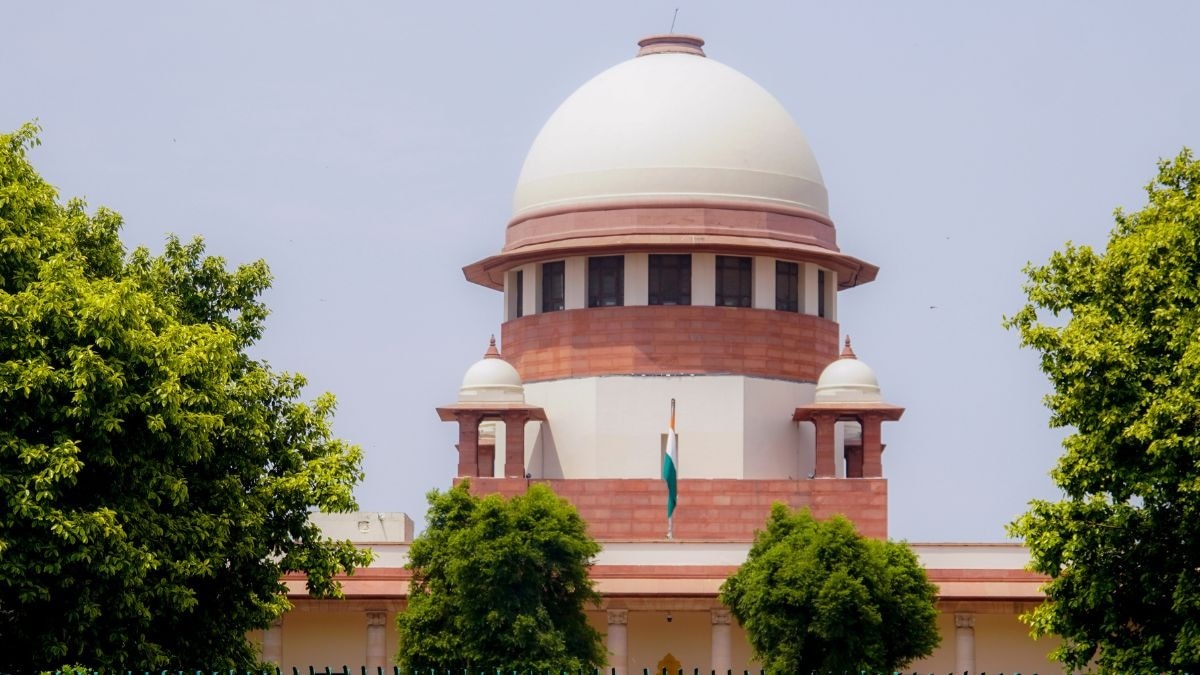
The Supreme Court of India has delivered a pivotal judgment asserting that the right to a speedy trial extends to victims, not just the accused, while clarifying the priority of the UP Gangsters Act.
- The Supreme Court ruled that the right to a speedy trial under Article 21 applies to both the accused and the victims.
- Section 12 of the UP Gangsters Act only provides priority during date clashes, not a total stay on other criminal trials.
- The court emphasized that delaying trials destroys evidence and erodes witness reliability.
In a significant legal development, a bench comprising Justices KV Viswanathan and Arun Palli of the Supreme Court of India has set aside an order by the Allahabad High Court that had stayed a murder trial. The apex court clarified a critical point of law: the right to a speedy trial is a fundamental guarantee that belongs to the victims of a crime just as much as it belongs to the accused.
The case centered on the interpretation of Section 12 of the Uttar Pradesh Gangsters and Anti-Social Activities (Prevention) Act, 1986. The accused had argued that all other criminal proceedings against them should remain suspended until the trial under the Gangsters Act was completed. However, the Supreme Court rejected this narrow interpretation, stating that the provision is intended only to resolve scheduling conflicts between different cases.
Why This Matters
BozokMedia analysis shows that this judgment closes a dangerous loophole that could have been exploited by habitual offenders to stall justice. By arguing that a special act takes precedence, accused individuals could have indefinitely delayed murder or rape trials, effectively weaponizing procedural law to evade conviction.
"The right to speedy trial is not only the prerogative of the accused but is also a valuable right of the victim. Any inordinate delay could have a deleterious effect on society in general."
The court highlighted the practical dangers of trial delays. It noted that as time passes, the preservation of evidence becomes a monumental challenge, and witnesses often become reluctant to testify or lose the clarity of their memories. The bench described the Allahabad High Court's previous stay as "completely untenable," noting that it would make a "mockery of the judicial process."
Historically, the Indian judiciary has focused heavily on the accused's right to a speedy trial to prevent prolonged pre-trial detention. This ruling balances the scales, acknowledging that the victim's psychological trauma and the society's need for closure are equally vital components of the justice system.
| Aspect | Accused's Interpretation | Supreme Court's Ruling |
|---|---|---|
| Section 12 (Gangsters Act) | Stays all other criminal trials. | Priority only if hearing dates clash. |
| Right to Speedy Trial | Primary right of the accused. | Shared right of accused and victim. |
| Impact of Delay | Procedural necessity. | Destroys evidence and witness memory. |
Frequently Asked Questions
Q1: Does the Gangsters Act stop other trials?
No. According to the Supreme Court, it only gives priority to Gangsters Act proceedings if the dates of two different trials clash.
Q2: Which Constitutional Article protects the right to a speedy trial?
Article 21 of the Constitution of India.


,autocrop(1200:630))