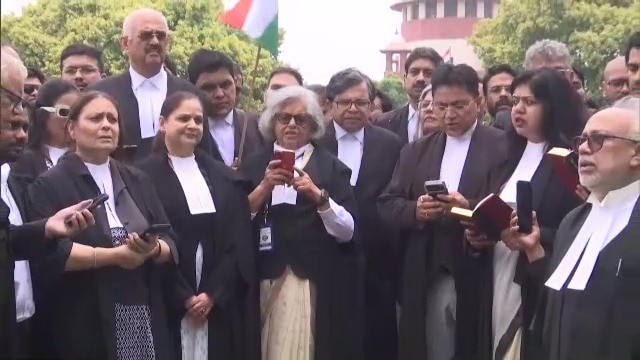
Supreme Court advocates gathered on July 23 to chant the Constitution’s Preamble, backing NEET‑UG students and urging the government to resume dialogue under the “Save Democracy, Save Constitution” banner.
Key Takeaways
- Supreme Court lawyers recited the Constitution’s Preamble to stand with NEET protesters.
- Senior Advocate Indira Jaising emphasized justice for students.
- Central government has sent four formal proposals for talks with student representatives.
Key Event
On July 23, a group of Supreme Court lawyers assembled on the court’s lawns in New Delhi and read aloud the preamble of the Indian Constitution. The reading was led by senior advocate Indira Jaising, who declared, “We are here to stand with the students, to stand on the side of justice, and to demand justice for them.”
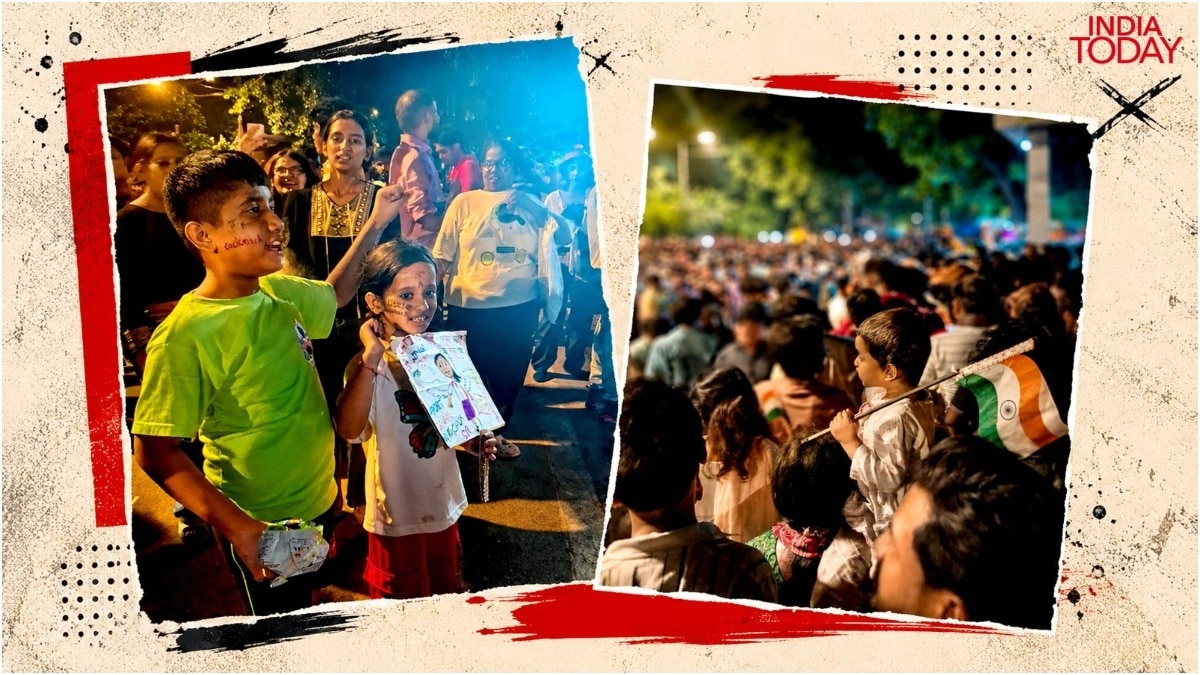
Former Odisha High Court Chief Justice and senior advocate S. Muralidhar also joined the protest, stating, “We stand with all students fighting for their rights and seek justice for each of them.” The demonstration echoed the Cockroach Janata Party’s (CJP) larger agitation that began with the “Chalo Sansad” march on July 20.
Union Health Minister Jitendra Singh reiterated that the government has extended four formal invitations to student leaders for dialogue, emphasizing that “prestige” will not hinder resolution. He added that discussions could be held at Union Health Minister JP Nadda’s office or residence, underscoring a willingness to engage at any convenient venue.
Historical Background
Reading the Constitution’s preamble in public protests is a recurring motif in India’s democratic history, from the post‑Emergency rallies of the 1970s to the 2016 citizen‑rights movements. Such symbolic acts reinforce constitutional values and remind authorities of the nation’s foundational promises.
Why This Matters
BozokMedia analysis shows that the involvement of Supreme Court lawyers adds legal gravitas to student movements, potentially pressuring the government to engage in genuine dialogue rather than mere procedural delays.
“When Supreme Court lawyers invoke constitutional principles, it sends a powerful warning to policymakers,” says constitutional scholar Prof. Anurag Verma.
Frequently Asked Questions
Q1: Could this protest have any legal repercussions?
A: If the government moves forward with sincere negotiations, the protest may legitimize student demands and set a precedent for future legal‑political engagements.
Q2: Has the CJP received any official response from the government?
A: CJP spokesperson Saurav Das claims no formal communication has arrived yet, but the party remains open to talks at Jantar Mantar or a neutral venue.