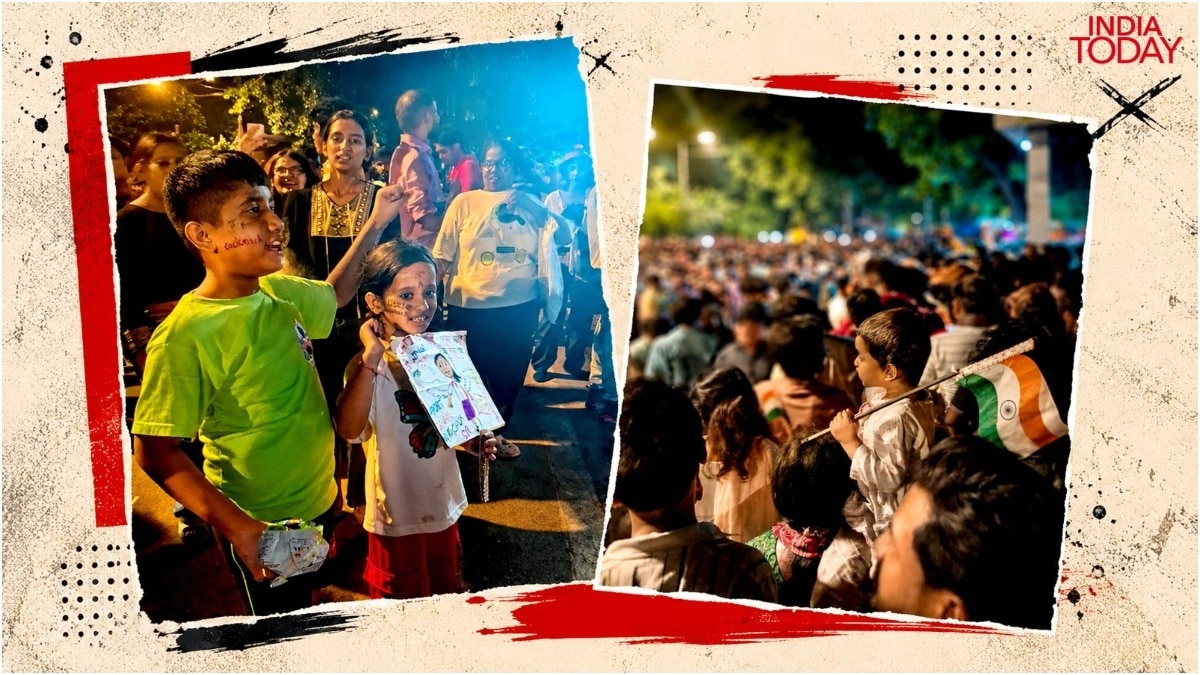
The youth of India took center stage at Delhi's Jantar Mantar, posing profound questions regarding the nation's socio-political future. This movement marks a significant shift in civic engagement.
Key Takeaways
- A significant surge in youth participation at Jantar Mantar.
- Protesters focused on systemic reforms and future uncertainties.
- The movement highlights a shift toward proactive civic engagement.
Delhi's iconic Jantar Mantar has once again become the epicenter of public discourse. However, the recent demonstrations stood out due to the overwhelming presence of the youngest demographic. These protesters were not merely shouting slogans; they were presenting the most pressing questions regarding the nation's trajectory.
A Shift in Civic Engagement
The crowd at Jantar Mantar was characterized by students and young professionals. Their placards reflected a deep-seated concern for social justice, economic stability, and political accountability. BozokMedia analysis shows that the current generation is moving beyond passive observation toward active demand for systemic transparency.
Why This Matters
This movement is crucial because it signals a demographic shift in political consciousness. When the youth occupy public spaces, they are asserting their right to influence the policies that will govern their adult lives. It is a direct challenge to the status quo and a call for inclusive governance.
The mobilization of youth at Jantar Mantar is a litmus test for the health of India's democracy and its ability to listen to its future leaders.
Historically, Jantar Mantar has served as a vital platform for democratic expression in India. From landmark civil rights movements to environmental protests, this site remains a cornerstone of India's protest culture, now evolving with the voices of Gen Z and Millennials.
Frequently Asked Questions
Question 1: Why is Jantar Mantar a common site for protests?
Answer: It is one of the most prominent and accessible locations in the capital for exercising the right to peaceful assembly.
Question 2: What is the primary driver of these youth protests?
Answer: The protests are largely driven by concerns over long-term socio-economic stability and political representation.