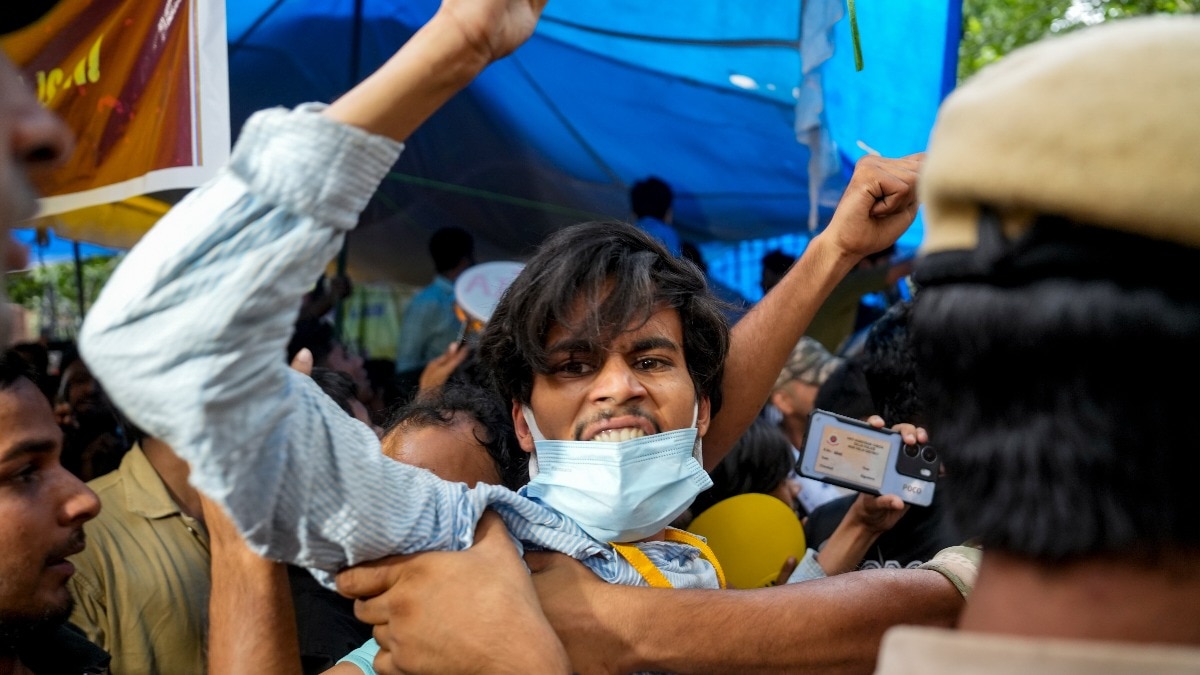
Students at Jantar Mantar masked themselves to avoid AI facial recognition, but a single FIR could jeopardize their future passports, visas, and overseas opportunities. Legal experts warn that even a closed FIR must be declared, creating real obstacles. This article examines the legal ramifications of protest‑related FIRs.
Key Takeaways
- An FIR can complicate future job, passport, and visa applications.
- Students wear masks to evade AI‑driven facial recognition cameras deployed by Delhi Police.
- Supreme Court advocates stress that FIR disclosures are mandatory in many official forms.
Background of the Protest
On July 20, thousands rallied under the Cockroach Janata Party banner in the Chalo Sansad movement, triggered by the NEET‑UG paper leak. Young demonstrators like 22‑year‑old Ravi arrived at Jantar Mantar masked, demanding better education without any criminal intent.
Legal Consequences of an FIR
Delhi Police used AI‑enabled facial‑recognition units and mobile surveillance vans, flagging over 2,500 individuals with prior records and registering 15 FIRs so far. These FIRs can become roadblocks when applying for passports, visas, or overseas studies.
Why This Matters
BozokMedia analysis shows that a single FIR can ripple through visa applications, passport clearances and even overseas university admissions, jeopardizing the aspirations of thousands of Indian youth.
"If an FIR is entered against you, it must be declared on passport or visa forms, which can lead to denial even if the case is later dismissed."
Supreme Court Advocate’s Warning
A Supreme Court lawyer, speaking on condition of anonymity, explained, "An FIR entry affects your identity. Even after acquittal, you still have to disclose it, influencing job prospects, higher‑education admissions, and visa approvals."
Frequently Asked Questions
Q1: If an FIR is closed, do I still need to mention it on my passport application?
A: Yes, most passport and visa forms require disclosure of any FIR, regardless of its outcome.
Q2: Is wearing a mask during a protest legally protected?
A: Yes, masking is permissible as a personal safety measure unless it incites public disorder.