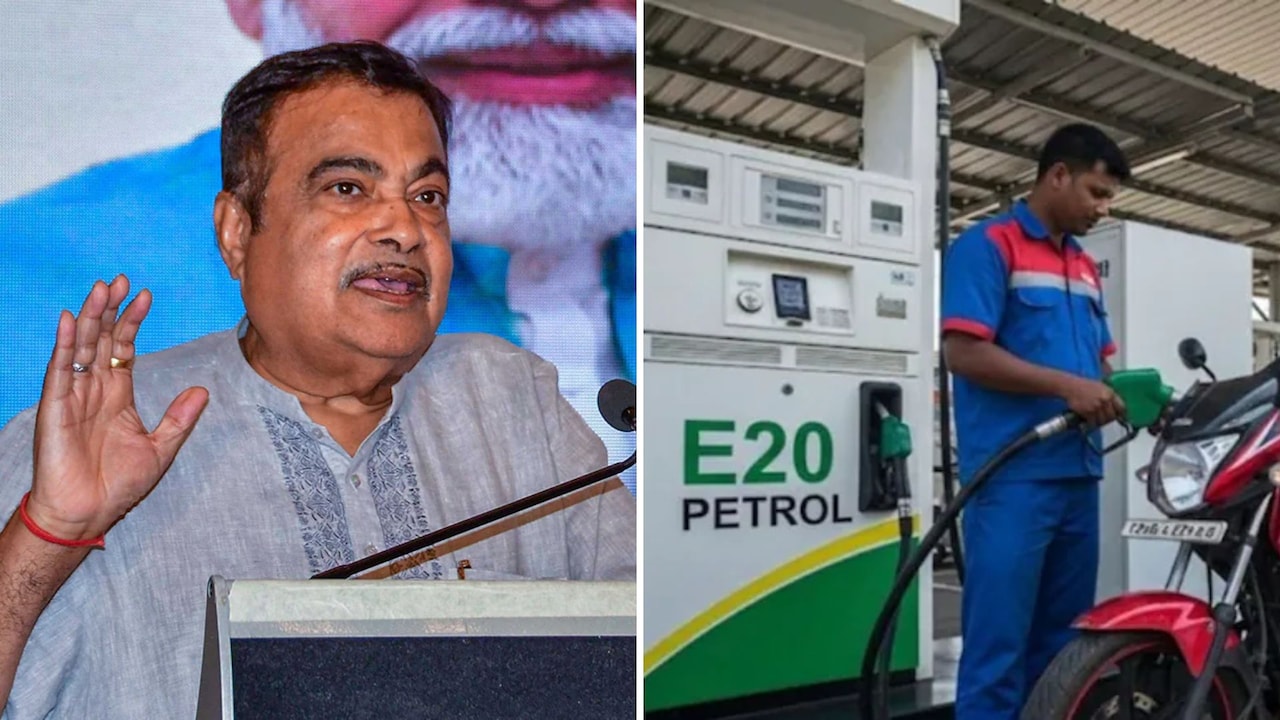
The Bombay High Court has cleared the way for Nitin Gadkari to file a civil lawsuit against Meta, X and Google over deepfake content. Gadkari maintains he had no role in shaping the E20 policy, calling the allegations baseless.
Key Takeaways
- Gadkari files a civil suit against Meta, X and Google.
- Bombay High Court grants permission to proceed.
- He claims no involvement in the E20 policy.
Background of the Case
Indian Minister of Road Transport and Highways Nitin Gadkari has obtained court permission to sue Meta (Facebook), X (Twitter) and Google for circulating deepfake material that misrepresents him. The alleged content violates India’s E20 policy, which aims to curb online misinformation.
On July 15, the Bombay High Court cleared the suit for trial, signalling the judiciary’s willingness to address digital abuse. The court noted that if sufficient evidence is presented, the case can move forward against the tech giants.
Gadkari emphasized that he was not involved in drafting, implementing or administering the E20 policy, rendering the accusations against him unfounded. He stressed that the policy’s purpose is to prevent false information, not to target individual politicians.
Why This Matters
BozokMedia analysis shows that this lawsuit could set a precedent for holding global tech giants accountable for deepfake content that influences public policy debates in India. A favorable ruling may push platforms to tighten their verification mechanisms and collaborate more closely with Indian regulators.
"Legal experts warn that unchecked deepfakes could erode public trust in policy communications," says Prof. Ananya Sharma, Cyber Law Specialist.
Frequently Asked Questions
Q1: What is the E20 policy?
A: The E20 policy is a regulatory framework aimed at preventing false information and deepfake content on digital platforms.
Q2: Which platforms are being sued?
A: The lawsuit targets Meta (Facebook), X (Twitter) and Google.