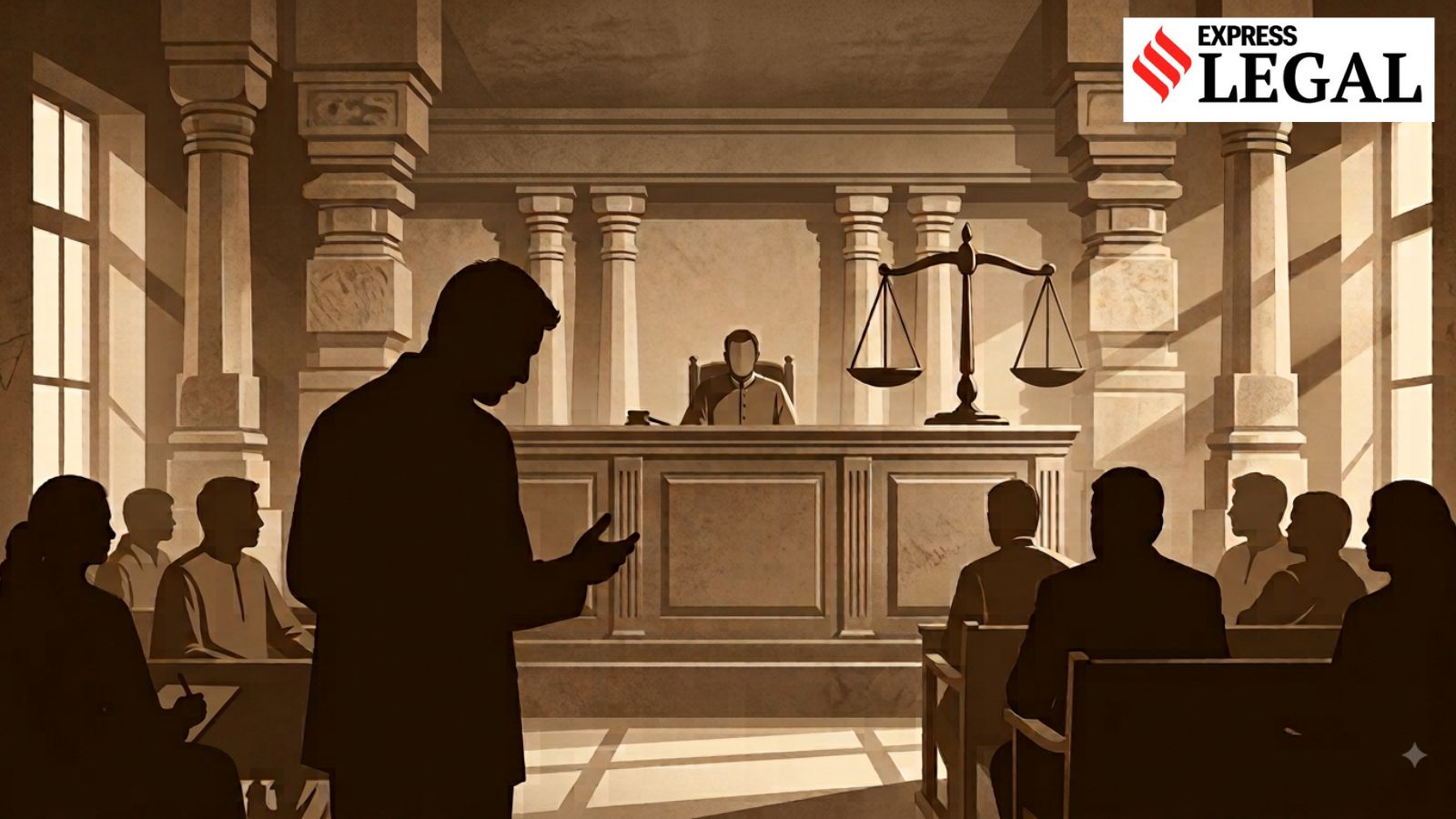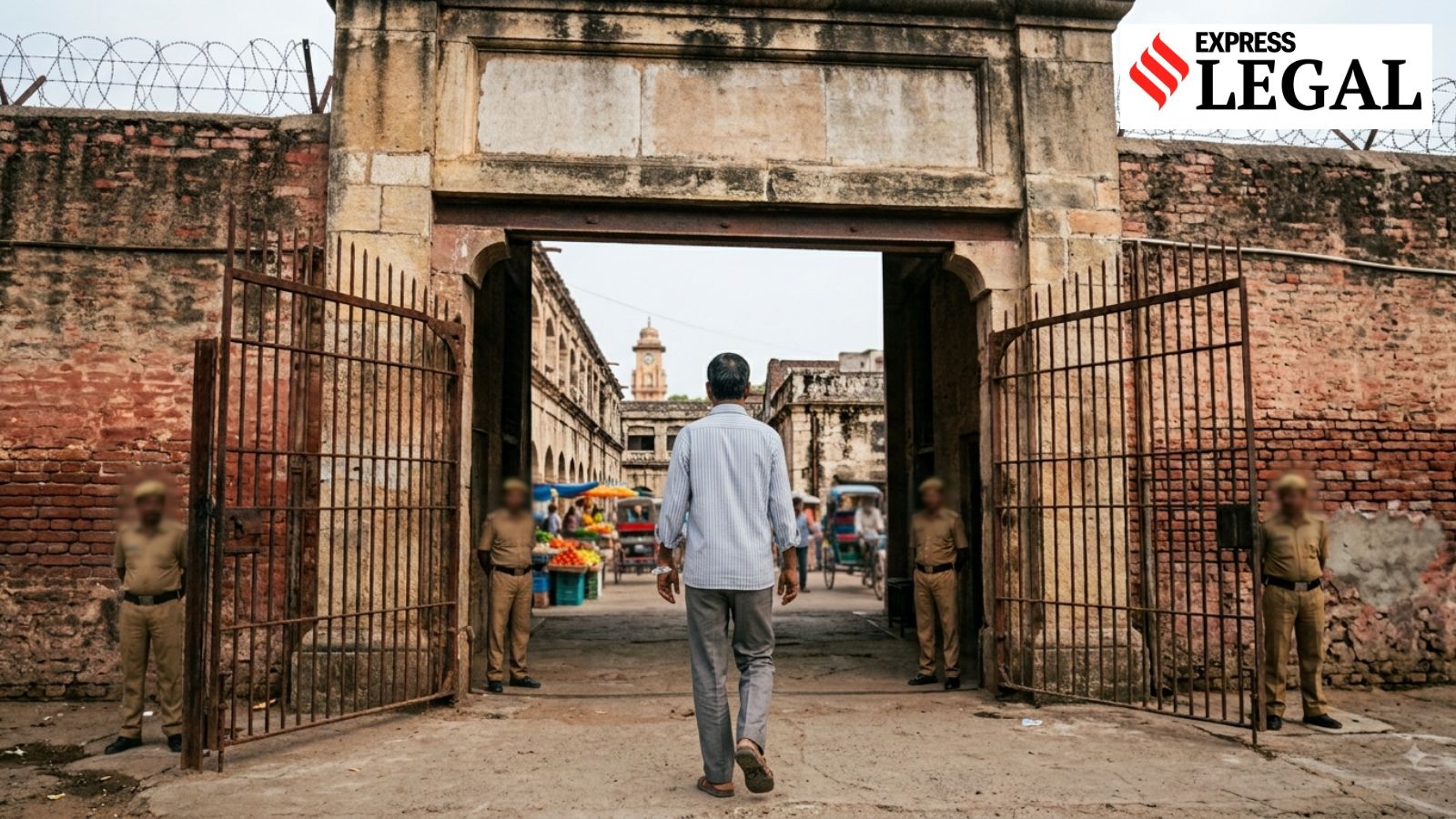
The Delhi High Court has ruled that employers cannot bypass disciplinary inquiries by labeling an employee as a 'probationer' when misconduct is alleged. The court ordered the reinstatement of a teacher with 50% back wages.
Key Takeaways
- Delhi HC upheld the reinstatement of a teacher dismissed in 2016.
- The court ruled that 'probation status' does not exempt employers from conducting formal inquiries for misconduct.
- The teacher is entitled to continuity of service and 50% back wages.
- Private recognized schools must obtain prior approval from the Director of Education for terminations.
In a landmark judgment, the Delhi High Court has ordered the reinstatement of a teacher who was dismissed by a private school in 2016. The court emphasized that allegations of misconduct must be thoroughly investigated through a formal disciplinary process, regardless of whether the employee is currently serving a probation period.
Procedural Lapses in Dismissal
The case involved NGF Junior School, which terminated the services of a primary teacher alleging negligence and misconduct, including allegations of slapping students. However, Justice Sanjeev Narula observed that the school failed to issue a charge-sheet, furnish a statement of imputations, or record any evidence. The termination order and the memorandum of allegations were issued on the very same day, leaving no room for a fair defense.
Why This Matters
BozokMedia analysis shows that this ruling sets a vital legal precedent for the private education sector. It prevents institutions from using the 'probationary' status as a loophole to avoid the principles of natural justice. The court reinforced that employment contracts cannot override the statutory protections provided under the Delhi School Education Act, 1973.
"Where termination is founded upon misconduct, the employer cannot avoid an inquiry merely by describing the employee as a probationer."
The court further noted that under Section 8(2) of the Act, prior approval from the Director of Education is mandatory before dismissing or reducing the rank of any employee in a recognized private school.
Historical Background
Historically, the rights of employees in private unaided schools have been a subject of intense legal debate. Over the years, the Supreme Court and various High Courts have consistently moved toward ensuring that private institutions adhere to the same standards of administrative fairness as government bodies to prevent arbitrary terminations.
Frequently Asked Questions
1. Can a school fire a teacher on probation without an inquiry?
If the termination is based on allegations of misconduct, a formal inquiry is legally mandatory.
2. What benefits did the court grant the teacher?
The court ordered reinstatement with continuity of service, pay fixation with increments, and 50% back wages.