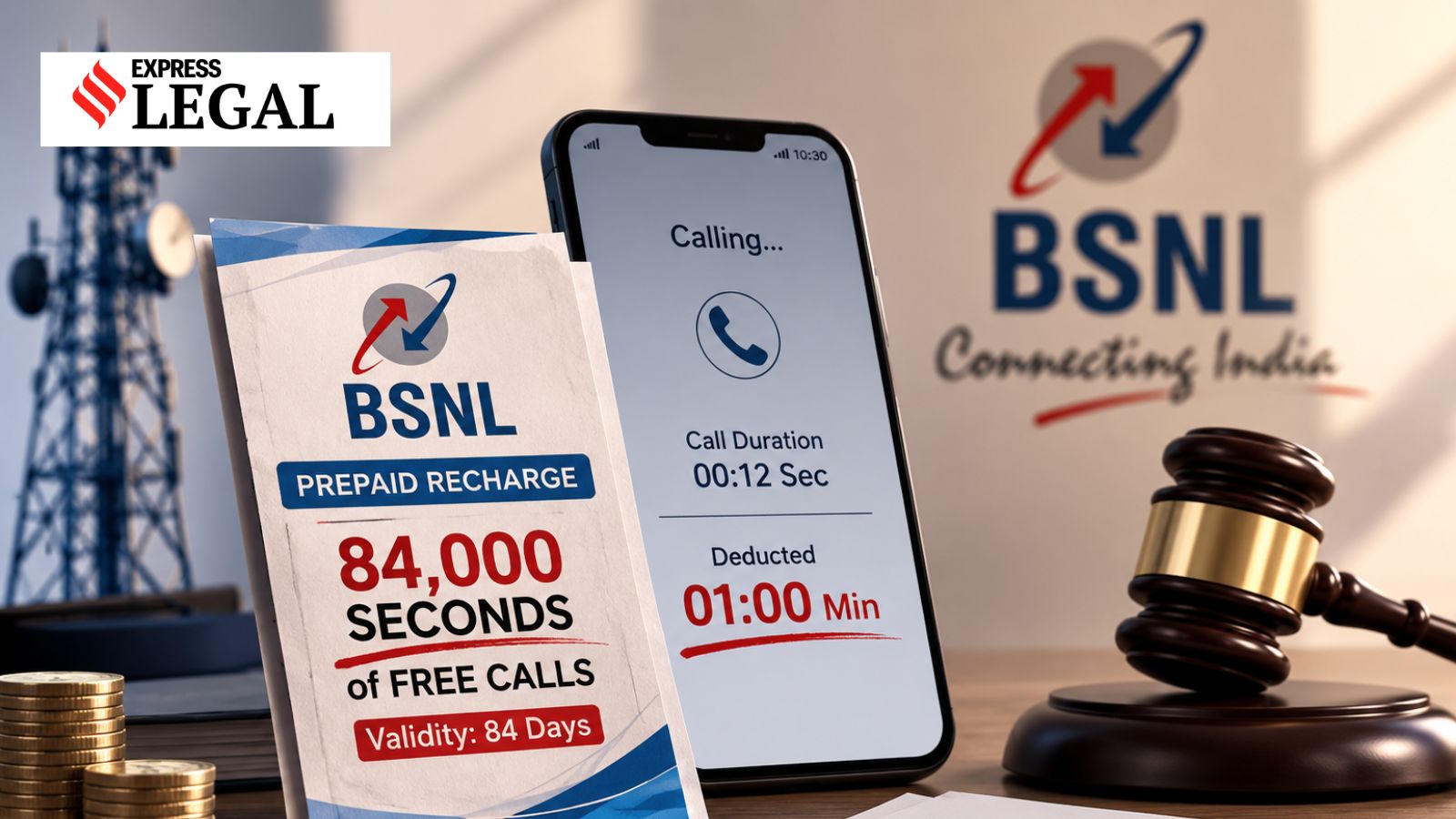
A Kerala consumer commission has held BSNL guilty of unfair trade practices for promising 84,000 seconds of free calls but charging users on a one-minute pulse basis. The telecom giant must now pay ₹15,000 in compensation.
Key Takeaways
- BSNL found guilty of deficiency in service and unfair trade practices.
- The company promised 84,000 seconds of calls but deducted charges per minute.
- The commission ordered a ₹15,000 compensation payment.
- Printing errors cannot be used as an excuse to shift liability to consumers.
In a landmark ruling, a Kerala consumer commission has held BSNL accountable for providing misleading information regarding its prepaid recharge plans. The dispute arose when a consumer discovered that the calling benefits promised in a promotional leaflet were not being applied as described during actual usage.
The complainant, C V Jose, an organic farmer, purchased a BSNL STV 449 recharge voucher in 2016. The official BSNL leaflet explicitly promised 84,000 seconds of free calls to any network. However, instead of being charged per second, the user found that calls were being deducted on a one-minute pulse basis, meaning even a 5-second call resulted in a full minute's deduction from the balance.
Why This Matters
BozokMedia analysis shows that this ruling sets a critical precedent for the telecommunications industry. It establishes that service providers are legally responsible for the accuracy of their marketing materials. Companies cannot hide behind the veil of 'printing mistakes' when such errors directly influence a consumer's purchasing decision.
A consumer is entitled to rely upon the written representation made by the service provider at the time of purchase.
BSNL's defense rested on the claim that the discrepancy was merely an inadvertent printing error and that the revised tariff was actually more beneficial. However, the Thrissur district commission, presided over by C T Sabu, rejected this argument, stating that the burden of ensuring accurate information lies entirely with the service provider.
Frequently Asked Questions
1. What was the specific error made by BSNL?
BSNL promised 84,000 seconds of free calls in their leaflet but implemented a billing system that charged users per minute instead of per second.
2. Why didn't the court order a refund of the recharge amount?
The commission noted that the recharge had already been activated and substantially used, so they opted for compensation for mental agony instead of a direct refund.