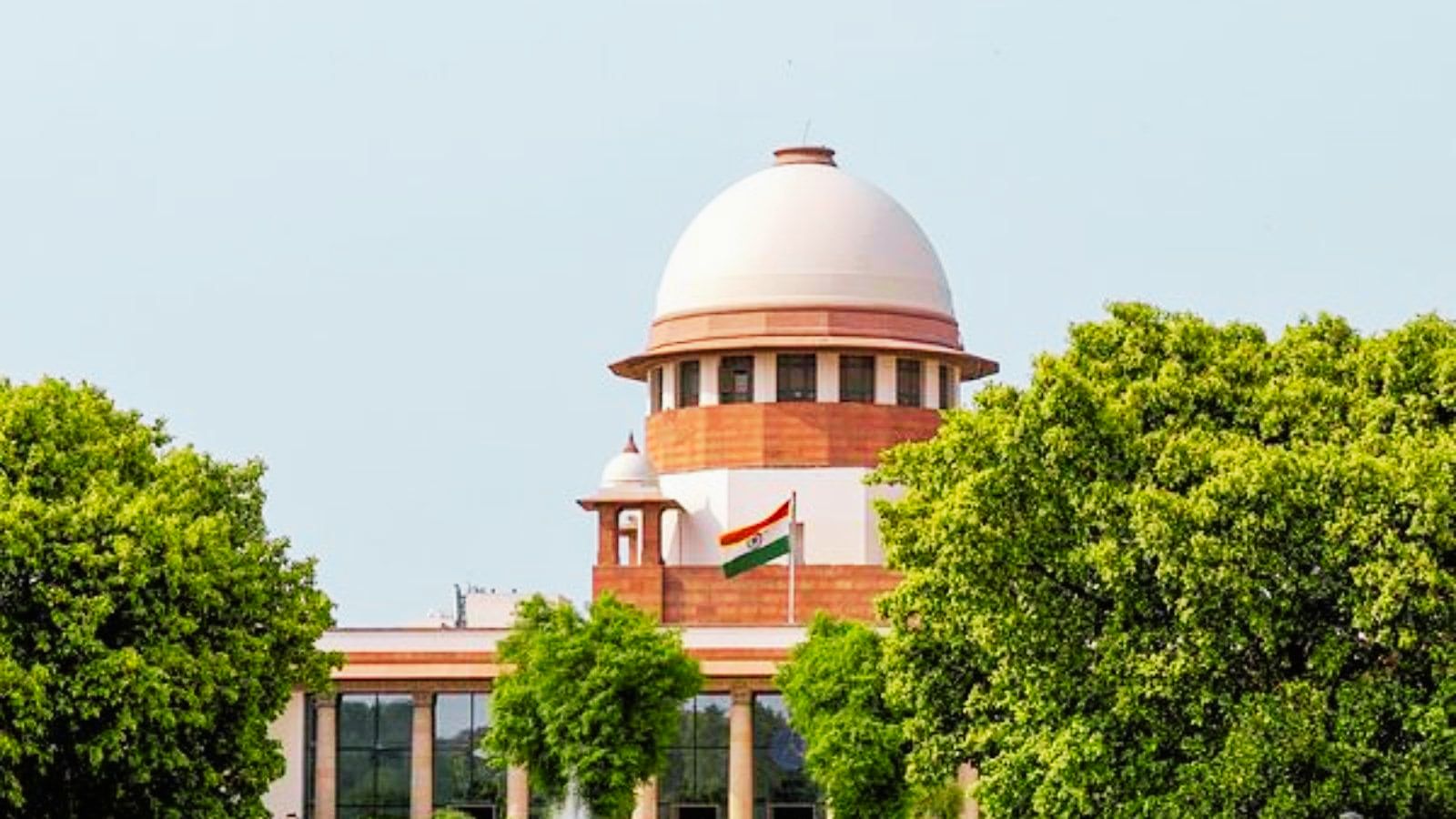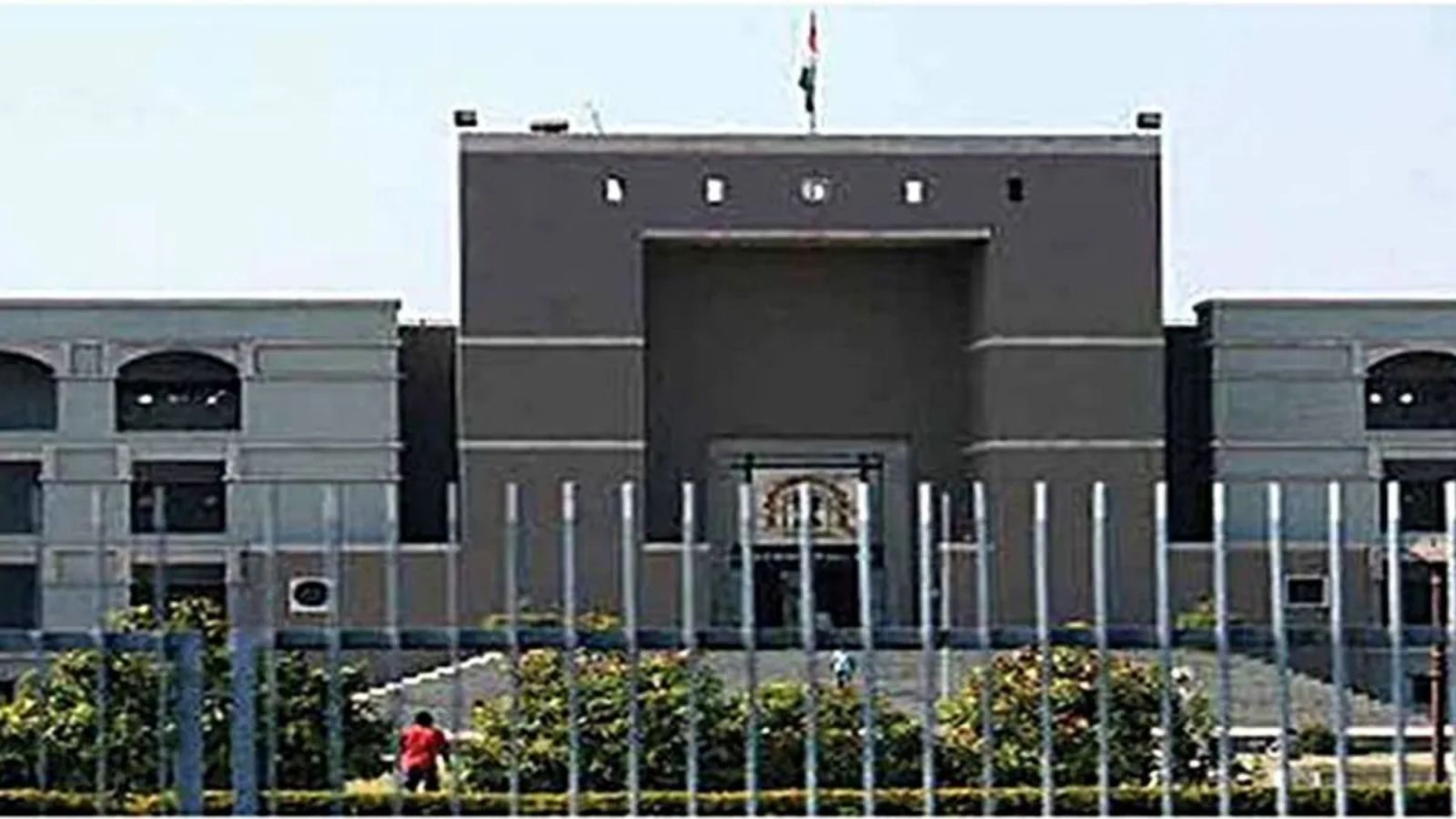
The Gujarat High Court has orally directed the state government to transfer a senior IPS officer in Surat following viral videos allegedly showing the public humiliation and assault of handcuffed accused persons.
Key Takeaways
- Gujarat High Court ordered the immediate transfer of Surat DCP Rajdeepsinh Nakum.
- Viral videos show police personnel parading and assaulting handcuffed suspects in public.
- The court emphasized that the officer's presence would compromise the impartiality of the inquiry.
- The case invokes constitutional protections under Articles 14 and 21.
The Gujarat High Court on Friday issued a stern oral directive to the state government, ordering the transfer of a senior IPS officer serving as the Deputy Commissioner of Police (DCP) in Surat. The court observed that the officer's continued presence in the city could severely undermine the integrity of the ongoing investigation into allegations of public assault and humiliation.
The Incident in Question
The proceedings stem from widely circulated social media videos allegedly showing DCP Rajdeepsinh Nakum, accompanied by 15 to 20 police personnel, parading handcuffed individuals on public roads and repeatedly assaulting them with lathis. Advocate Utkarsh Dave alleged that the accused were dragged by their hair and beaten in full public view under senior supervision.
Judicial Observations
A Division Bench comprising Chief Justice Sunita Agarwal and Justice D N Ray took suo motu cognizance of the matter. Expressing dissatisfaction with the state's response, the bench stated, "The least you must do is transfer him. This preliminary inquiry cannot be impartial if he is there. The other police officials... will not speak if he is there."
"The officer's presence at the post acts as a deterrent to honest witnesses within the force."
Why This Matters
BozokMedia analysis shows that this case is a critical test for police accountability in India. When high-ranking officials are implicated in violating the D.K. Basu guidelines—which mandate strict protocols for the treatment of detainees—it challenges the very foundation of the rule of law and constitutional safeguards provided under Articles 14 and 21.
Historical Context: Police Conduct Guidelines
The court noted a May 12 Gujarat Police circular, which explicitly prohibits the public humiliation of accused persons, including forcing them to walk on knees, perform sit-ups, or face physical assault. This circular was issued following previous judicial interventions to curb police excesses.
Frequently Asked Questions
1. Why did the Court insist on a transfer rather than just an inquiry?
The Court believes that an officer involved in the incident cannot oversee an investigation involving his own subordinates without influencing the witnesses.
2. What specific rules were allegedly violated?
The alleged actions violate the Gujarat Police circular regarding the treatment of accused and constitutional rights to dignity and equality.