As India approaches its 80th Independence Day, we revisit the transformative Supreme Court judgments that defined free speech, privacy, and equality.
Key Takeaways
- Landmark rulings transformed fundamental rights from abstract concepts into enforceable protections.
- The judiciary played a crucial role in decriminalizing personal choices and protecting digital speech.
- The 'Golden Triangle' of Articles 14, 19, and 21 remains the bedrock of Indian liberty.
"We, the people of India..." The preamble is more than a preface; it is a powerful reminder that sovereignty resides with the citizens. Over the past eight decades, the freedoms we exercise today—from expressing opinions online to choosing our partners—have been carved out through rigorous legal battles in the highest courts of the land.
Defending Free Speech in the Digital Age
In an era of rapid communication, the Shreya Singhal v Union of India (2015) case stands as a monumental victory for digital democracy. By striking down Section 66A of the IT Act, the Supreme Court ensured that online speech remains protected under Article 19(1)(a). Similarly, the Indian Express Newspapers (Bombay) Pvt Ltd v Union of India (1986) ruling reinforced that the freedom of the press is essential to prevent arbitrary interference from state authorities.
The Pillars of Liberty: Privacy and Life
The evolution of individual rights reached a zenith with the Maneka Gandhi v Union of India (1978) judgment, which linked Articles 14, 19, and 21 into what is known as the 'Golden Triangle.' This ensured that any state action depriving a person of liberty must be fair, just, and reasonable. This foundation was further strengthened by the K.S. Puttaswamy v Union of India (2017) verdict, which declared the Right to Privacy as an intrinsic fundamental right.
Equality and Identity: Breaking Social Barriers
The judiciary has also been a vanguard for social justice. The NALSA v Union of India (2014) ruling was a watershed moment for transgender rights, recognizing the 'third gender' and the right to self-identify. Furthermore, the Navtej Singh Johar v Union of India (2018) verdict struck down Section 377, decriminalizing consensual same-sex relations and affirming that sexual orientation is a natural part of human diversity.
Why This Matters
BozokMedia analysis shows that these judgments serve as the ultimate check against authoritarianism. By interpreting the Constitution as a 'living document,' the Supreme Court ensures that rights evolve alongside societal changes, protecting the marginalized from the tyranny of the majority.
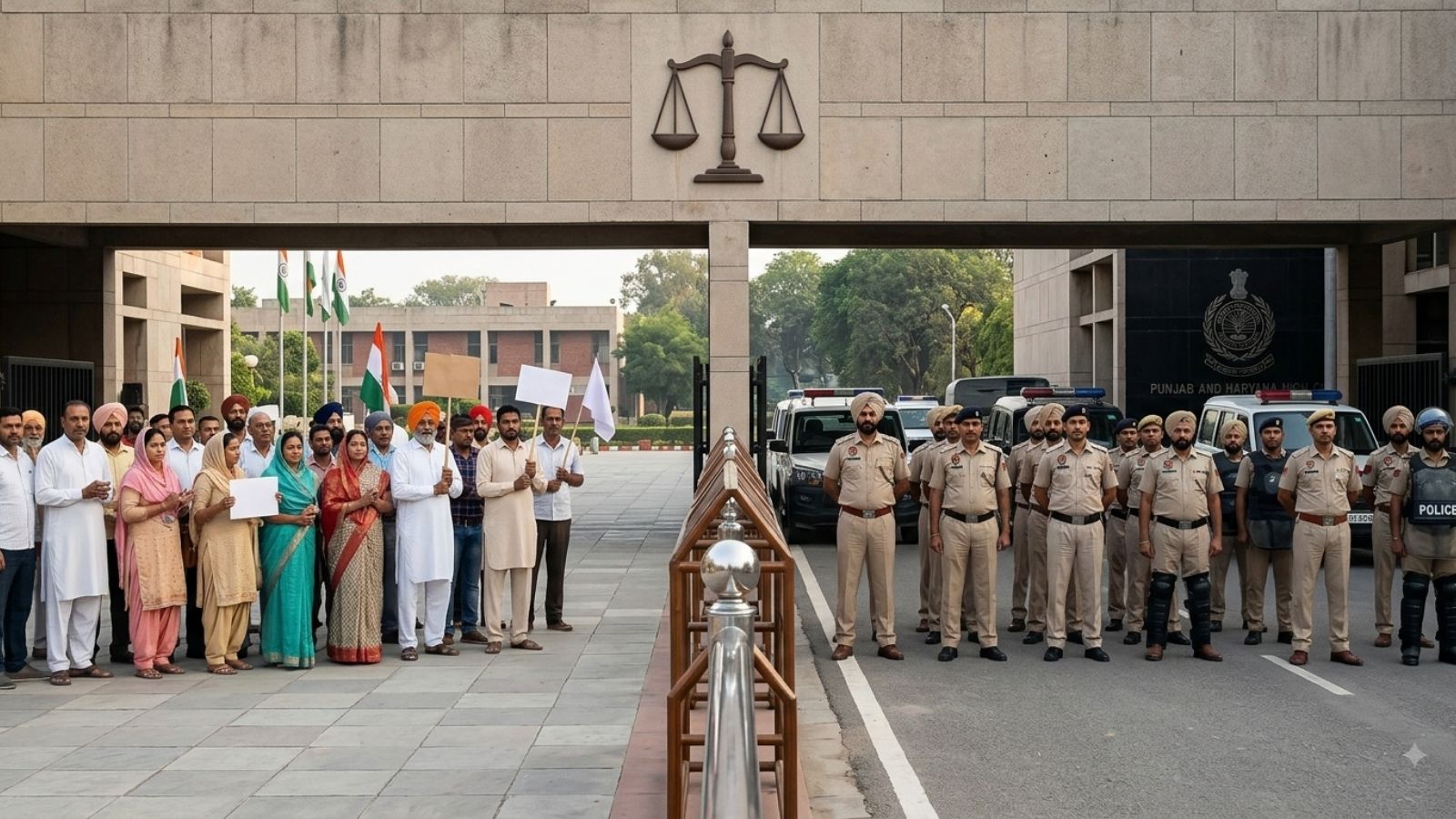
The judiciary acts as the ultimate sentinel on the qui vive, guarding the gates of liberty against the encroachments of state power.
Frequently Asked Questions
1. Which case established privacy as a fundamental right?
The K.S. Puttaswamy v Union of India (2017) case established privacy as a fundamental right.
2. What was the impact of the Shreya Singhal case?
It struck down Section 66A of the IT Act, protecting freedom of speech on the internet.