Farah Khan discusses how her two‑decade‑long marriage to Shirish Kunder has shifted from early romance to a deep appreciation of his role as a father and partner. A psychologist weighs in on how long‑term relationships evolve and why active parenting matters.
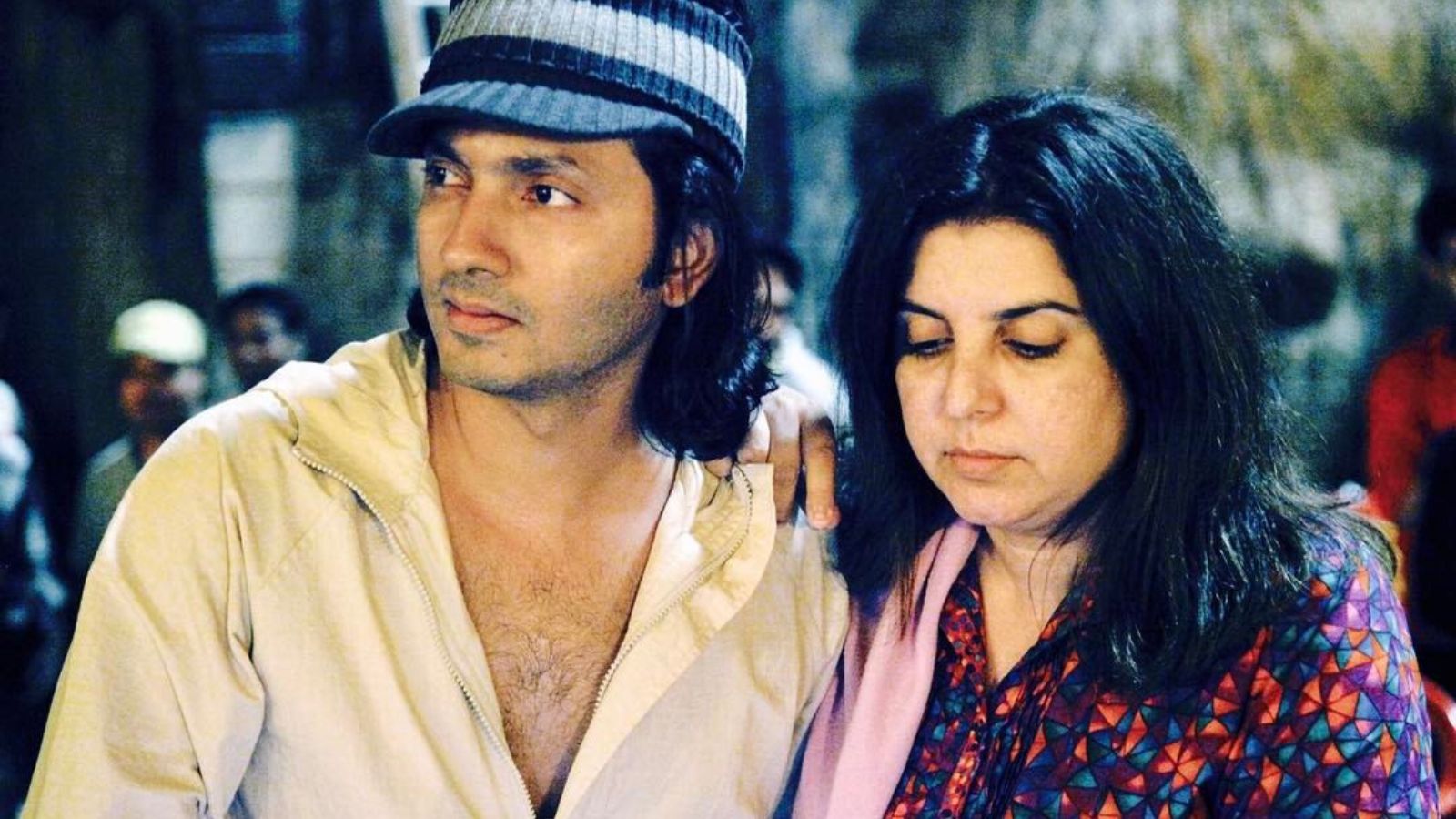
Filmmaker and choreographer Farah Khan opened up on Shekhar Suman’s YouTube show about the transformation of her marriage to Shirish Kunder after more than twenty years. Gone are the fireworks of the early days; now she values him for his fatherhood, his steady presence in the household, and his personal pursuits.
Changing the Lens of Appreciation
“I value Shirish in other things now – as a father, as a person who looks after the whole family,” Farah said. She highlighted his hands‑on involvement in the education of their three children, noting that he acts as a personal counsellor who helped secure early admissions to top universities.
Psychologist’s Take on Long‑Term Love
Counselling psychologist Athul Raj explained that early‑stage appreciation is driven by novelty, attraction and emotional intensity. Over time, work stress, financial duties and family demands shift the focus toward consistency, reliability and emotional availability. “When a partner remains steady during conflict, that reliability becomes more intimate than romance,” he said.
Impact of an Engaged Father
According to Raj, a father who is consistently present during everyday moments – homework frustrations, exam anxiety, peer disputes – builds a child’s internal sense of stability. This isn’t about constant instruction; it’s about showing up, listening, and gently guiding. Children who experience this develop confidence and resilience that serve them well into adulthood.
Maintaining Personal Identity Within Family Life
Farah also noted that Shirish continues to write scripts, explore AI and nurture his solitary interests. Such personal time prevents the loss of self that many parents feel and injects fresh energy into the partnership. Experts say when both spouses keep individual hobbies alive, the relationship benefits from renewed curiosity and emotional vitality.
In sum, after two decades Farah Khan now measures love by trust, shared responsibility and active parenting rather than by fleeting romance. Her story, coupled with psychological insights, underscores that the pillars of a lasting marriage are reliability, emotional support and a parent’s consistent presence.