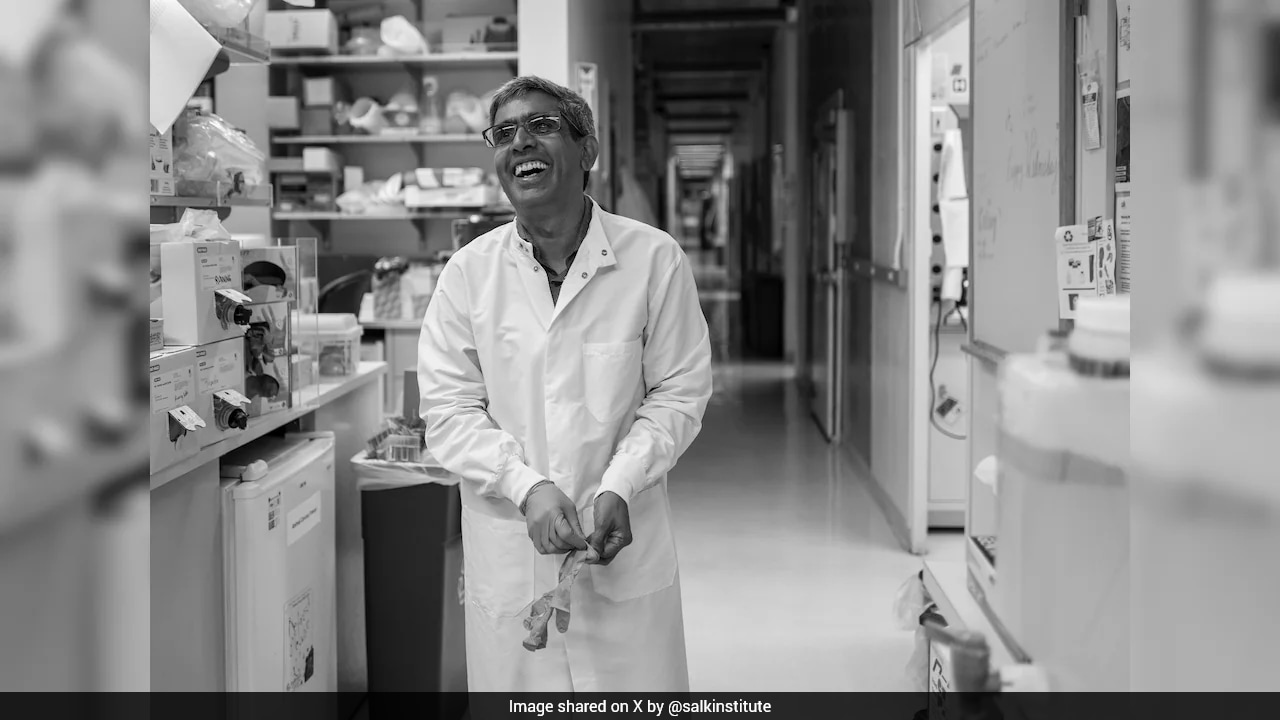
Renowned Indian-origin scientist Satchidananda Panda has resigned from the prestigious Salk Institute in the US following an investigation into sexual misconduct allegations. Panda has strongly denied all harassment allegations made against him.
Key Takeaways
- Renowned scientist Dr. Satchidananda Panda has resigned from the Salk Institute.
- The resignation follows a second formal investigation into harassment allegations.
- Dr. Panda has vehemently denied all accusations of misconduct.
In a major development within the global scientific community, Dr. Satchidananda Panda, a highly acclaimed Indian-origin researcher, has resigned from the prestigious Salk Institute for Biological Studies in La Jolla, California. His resignation comes in the wake of an internal investigation into allegations of sexual misconduct and harassment.
According to reports, this was at least the second time in recent years that the Salk Institute had launched an investigation into Dr. Panda's conduct following harassment complaints. While the institute has confirmed his departure, Dr. Panda has steadfastly denied all allegations, maintaining his innocence throughout the inquiry. His exit marks a significant disruption for the elite research facility.
Historical Background
Dr. Satchidananda Panda is globally recognized for his pioneering research on circadian rhythms (the body's internal biological clock) and time-restricted feeding, commonly known as intermittent fasting. His bestselling book, 'The Circadian Code', revolutionized how the public understands the connection between light, sleep, diet, and overall metabolic health. The Salk Institute, founded by polio vaccine pioneer Jonas Salk, is one of the world's premier independent biomedical research centers, historically renowned for groundbreaking scientific discoveries.
However, the institute has also faced scrutiny in recent years regarding its workplace culture and gender equity. The table below outlines the core perspectives surrounding the current controversy:
| Aspect | Salk Institute & Allegations | Dr. Satchidananda Panda's Defense |
|---|---|---|
| Nature of Claims | Complaints of sexual misconduct and workplace harassment. | Categorically denies all allegations as baseless. |
| Institutional Response | Initiated multiple formal internal investigations. | Chose to resign from his position during the process. |
Why This Matters
BozokMedia analysis shows that high-profile misconduct investigations in top-tier scientific institutions highlight a growing global push for accountability in academia. Historically, elite researchers who brought in millions of dollars in federal and private grants were often shielded from consequences. Today, the academic landscape is undergoing a paradigm shift, enforcing strict zero-tolerance policies regardless of a scientist's professional stature.
Furthermore, Dr. Panda's abrupt departure could have a cascading effect on ongoing clinical trials, research grants, and metabolic health studies at Salk. For the broader scientific community, this case serves as a stark reminder that professional brilliance cannot overshadow the fundamental necessity of a safe, respectful, and ethical workplace environment.
"The intersection of high-stakes scientific research and workplace ethics is undergoing a massive realignment, where institutional prestige no longer shields individuals from accountability."
Frequently Asked Questions
Q1: Who is Dr. Satchidananda Panda?
A1: Dr. Satchidananda Panda is an acclaimed Indian-origin biologist known for his revolutionary research on circadian rhythms, fasting, and metabolic health.
Q2: What is the Salk Institute?
A2: Located in California, the Salk Institute for Biological Studies is a world-renowned non-profit scientific research institute dedicated to biology and medicine.