Each morning at the school gate, parents watch their child vanish, carrying a mix of hope and anxiety. This routine moment reveals deeper societal pressures and evolving parental concerns in today’s fast‑paced world.
Key Takeaways
- Rising parental anxiety at school drop‑off points and its social impact
- Digital safety tools and their psychological implications for children
- Balancing trust and independence in parent‑child relationships
When you stand at a school entrance, the scene is familiar: a mother or father waves goodbye, eyes flickering between pride and worry. This seemingly ordinary “goodbye” is a layered experience, reflecting cultural expectations, psychological stress, and the realities of modern family life.
Historical Context and Emotional Roots
India’s shift from extended families to nuclear households has amplified the weight on individual parents. In joint families, child‑care responsibilities were shared, easing parental anxiety. Today, solitary guardians bear the full burden of ensuring safety, punctuality, and academic success—often while juggling demanding careers.
Technology’s Double‑Edged Sword
Smartphones, GPS trackers, and school‑specific apps promise real‑time visibility into a child’s whereabouts. While these tools alleviate some fears, they raise new concerns about data privacy, over‑monitoring, and the erosion of a child’s self‑reliance. Studies suggest that excessive surveillance can diminish confidence, whereas balanced oversight fosters both safety and autonomy.
Societal and Policy Responses
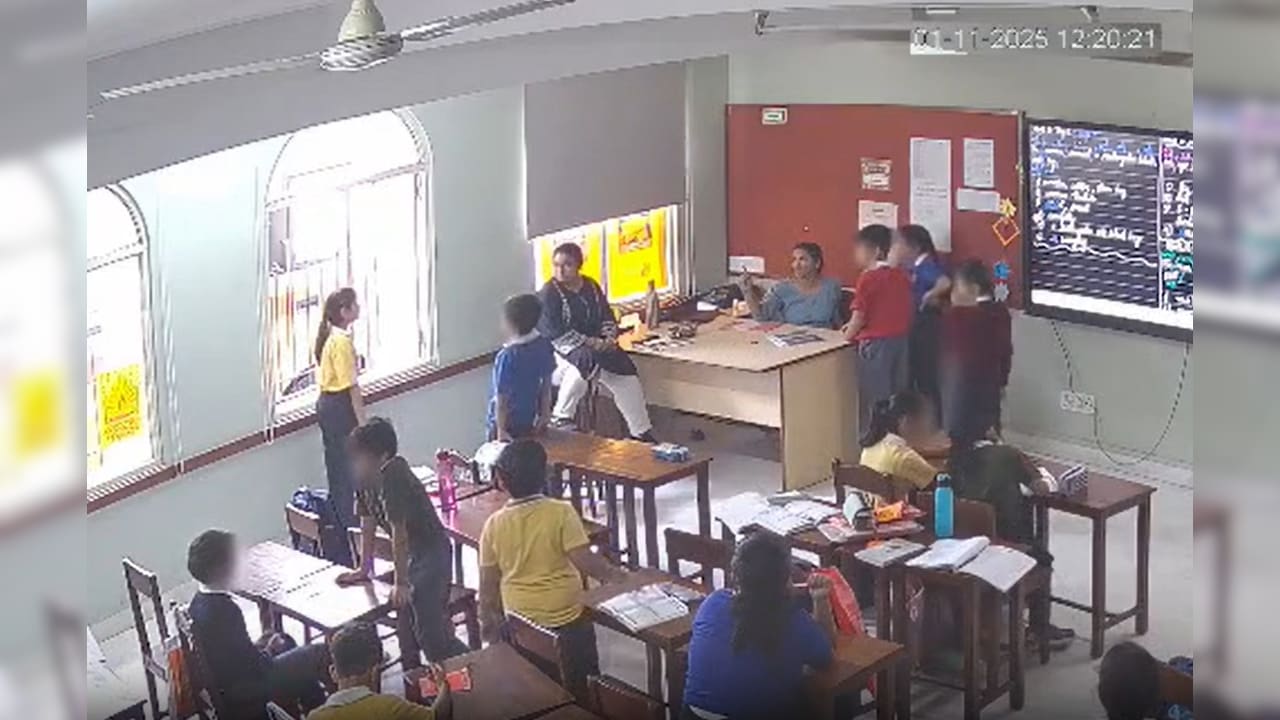
Governments are tightening school safety protocols—installing CCTV, mandating emergency response drills, and encouraging parent‑teacher communication platforms. Yet, the most potent safeguard remains the trust nurtured within families. When children internalize their parents’ confidence, they become more vigilant and responsible.
Future Directions
Schools should integrate psychological support systems for parents, reframing the daily goodbye from a moment of dread to a developmental milestone. Community‑based programs can also bridge gaps, connecting families facing similar challenges and fostering collective resilience. Recognizing and honoring this routine departure is essential for nurturing a healthier, more secure society.