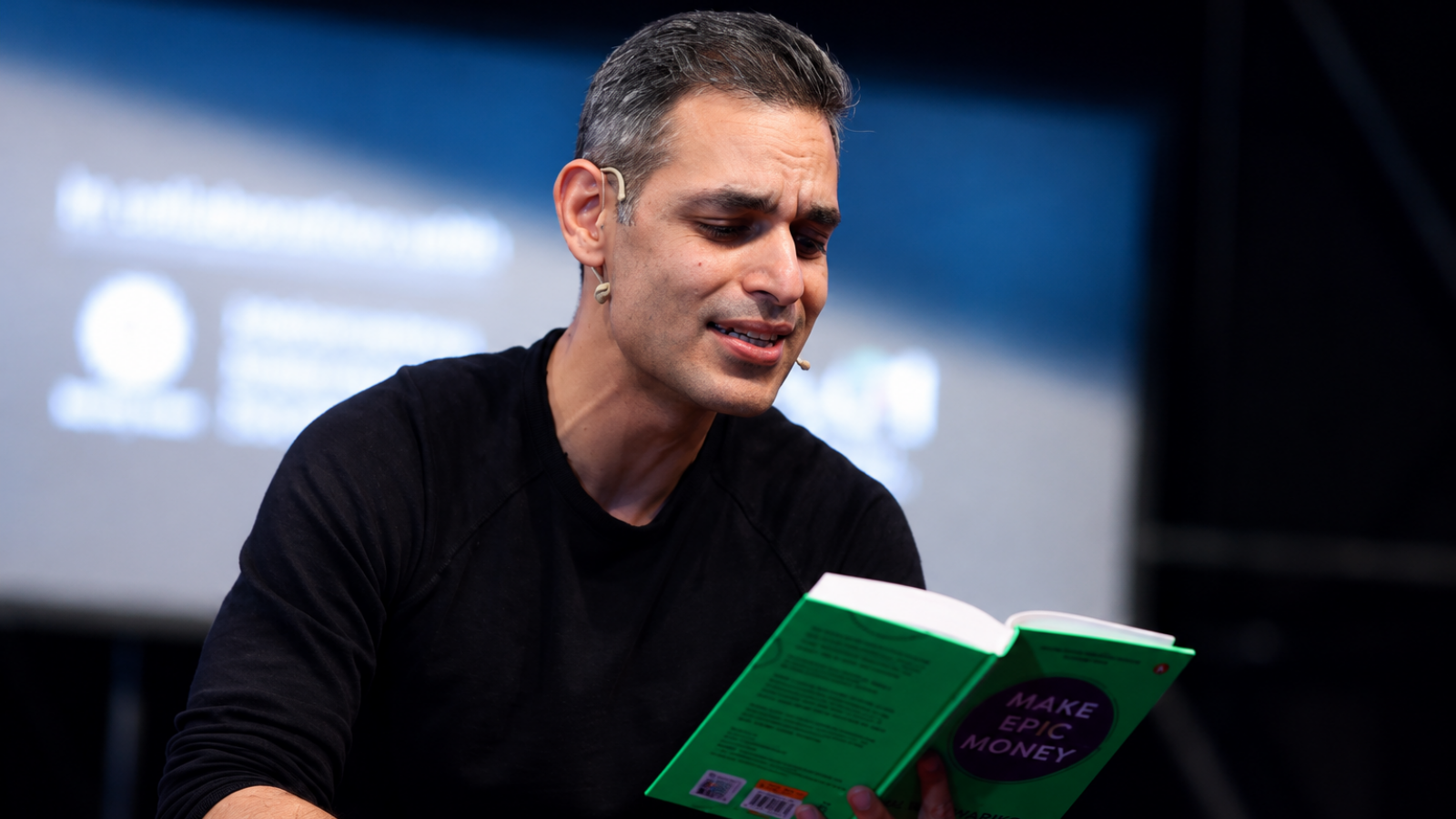
Entrepreneur and author Ankur Warikoo advises parents to focus on three core values – respect, accountability and ownership. Psychiatrist Dr. Kriti Anand and other experts affirm that these principles nurture emotional resilience and confidence in children.
Key Takeaways
- Respect, accountability and ownership form the foundation of holistic child development.
- Experts like Dr. Kriti Anand link these values to emotional intelligence and empathy.
- Every parental reaction can either reinforce or undermine a child’s mental resilience.
Ankur Warikoo, known for his startup journey and personal‑growth books, recently sat down with Neha Nagar for a podcast where he outlined three non‑negotiable values every parent should impart. He argues that these values are not merely academic lessons but life‑skills that guide children through school, career and personal relationships.
1. Respect – Valuing Others and Self
Warikoo stresses, “Respect every person and don’t hesitate to expect respect for yourself.” He insists that a child’s respect should never be contingent on appearance, language or social background. Psychiatrist Dr. Kriti Anand concurs, noting that early exposure to unconditional respect builds empathy, social inclusion and a healthy self‑esteem. Children who internalise both outward respect and self‑respect are less likely to tolerate bullying and more likely to form balanced relationships.
2. Accountability – Owning Actions Over Blaming Others
Warikoo illustrates accountability with a vivid parenting anecdote: when a toddler falls while learning to walk, many parents instinctively hit the floor. He argues this teaches “whenever you feel pain, strike the source instead of taking responsibility.” Dr. Anand agrees that accountability is essential but cautions that it must be age‑appropriate. Encouraging a child to get up after a fall, rather than blaming the floor, cultivates problem‑solving skills and resilience, while preserving the child’s sense of agency.
3. Ownership – Prioritising Effort Over Outcome
The third pillar, ownership, is summed up by Warikoo: “Winning isn’t necessary, but after you’ve done your work, you should be able to honestly say, ‘I gave my best.’” Dr. Anand explains that this mindset fuels a growth‑oriented outlook. When parents celebrate effort, perseverance and learning rather than just results, children view setbacks as opportunities for improvement, not as reflections of self‑worth.
Broader Implications for Indian Parenting
Integrating these three values into daily routines could shift India’s traditionally authority‑centric parenting model toward a more emotionally intelligent approach. Experts predict that if schools and homes alike embed respect, accountability and ownership, the next generation will be more collaborative, adaptable and innovative. Warikoo’s message, reinforced by clinical expertise, thus offers a roadmap for nurturing emotionally resilient citizens in a rapidly changing society.