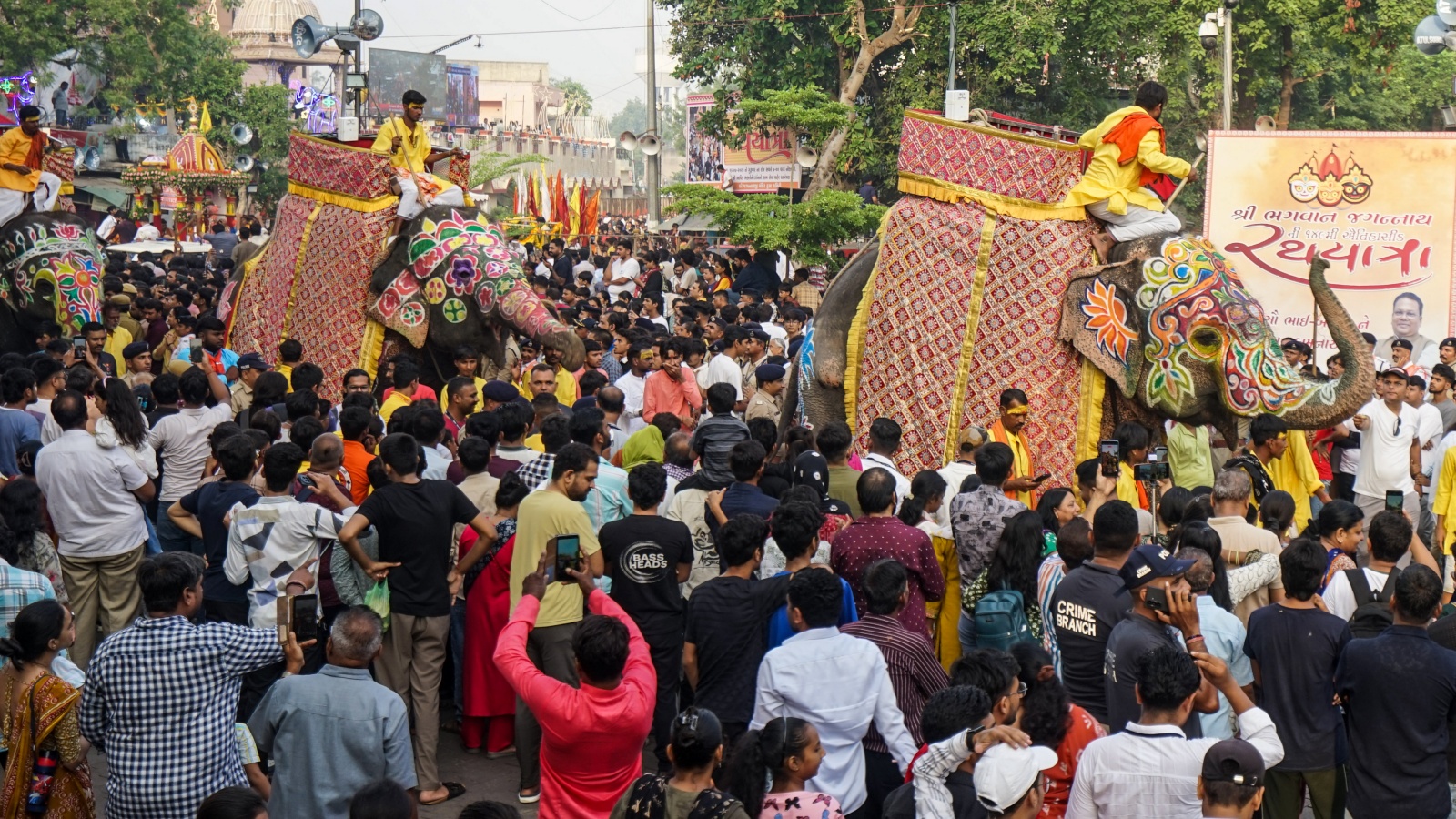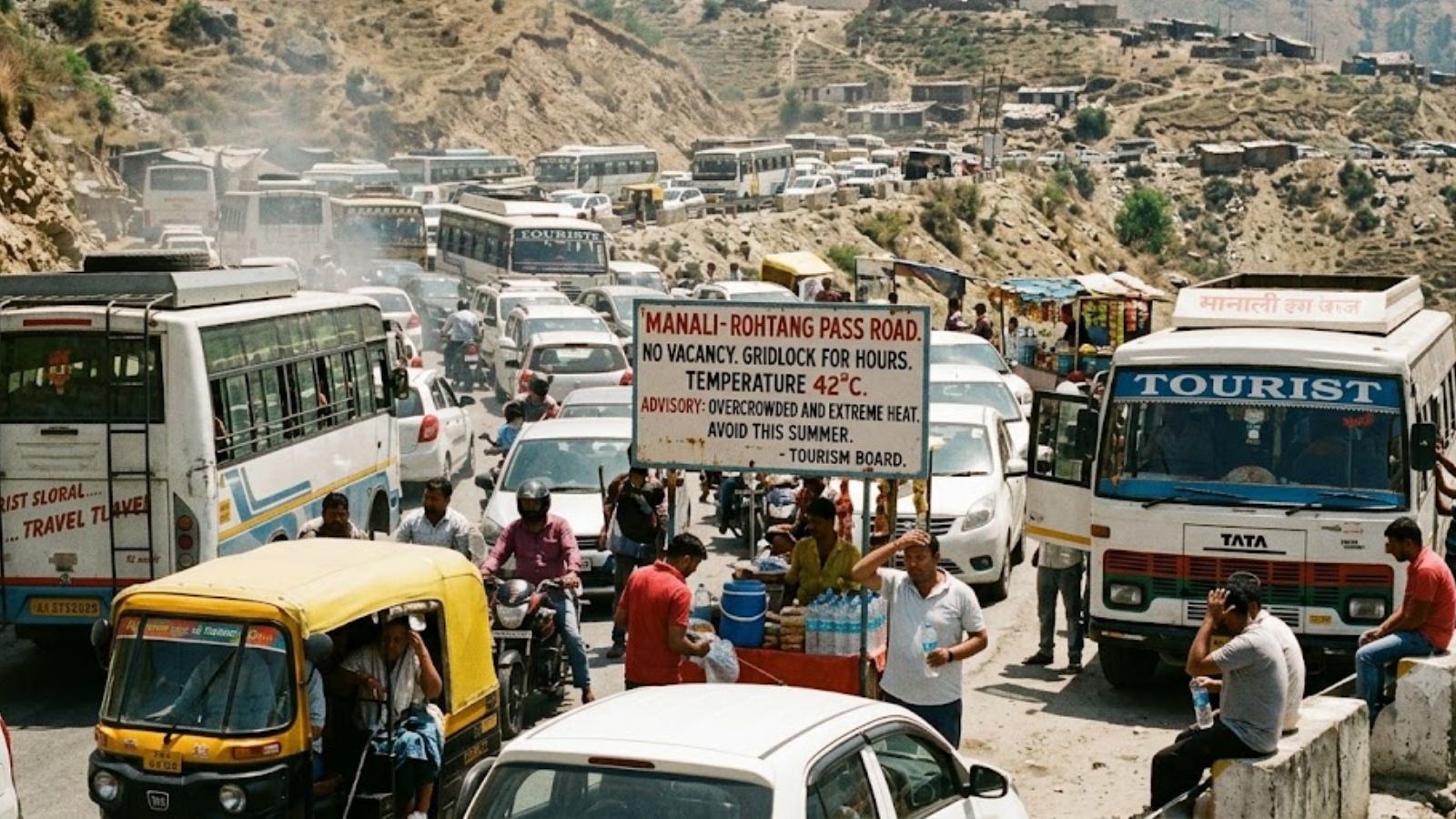
Several popular Indian tourist spots become unbearable in peak summer heat. Learn which five places to avoid and the optimal months for a comfortable visit.
Key Takeaways
- Extreme temperatures pose health risks
- Tourist amenities are limited during peak heat
- Cooler alternatives are recommended
Planning a summer vacation is a tradition, but not every destination thrives under scorching sun. While hill stations, forests, and high‑altitude retreats blossom during this season, many Indian regions suffer from blistering heat, oppressive humidity, and poor air quality, turning sightseeing into a discomfort—and sometimes a safety hazard. Below are five well‑known locations that are best saved for cooler months, along with the periods when they truly shine.
1. Jaisalmer, Rajasthan
Famous for its golden sandstone fort, desert camps, and sweeping dunes, Jaisalmer draws travelers year‑round. However, daytime temperatures in May‑June regularly breach 45°C, making desert safaris, fort walks, and photo‑ops exhausting. Ideal visiting window: October to February, when the desert cools and cultural festivals animate the town.
2. Delhi
India’s capital boasts world‑class monuments such as India Gate, Humayun’s Tomb, and the Red Fort. Yet the city’s dry heat, scorching “loo” winds, and deteriorating air quality in late spring and early summer render outdoor exploration uncomfortable. The monuments are far more enjoyable in the cooler months of November through February.
3. Varanasi, Uttar Pradesh
One of the world’s oldest continuously inhabited cities, Varanasi offers profound spiritual and cultural experiences. Summer temperatures often exceed 42°C with high humidity, making narrow lane walks and hours spent on ghats physically demanding. Recommended season: October to March.
4. Chennai, Tamil Nadu
Chennai’s coastal humidity combined with soaring temperatures can feel hotter than the thermometer suggests. Long days touring Marina Beach, Kapaleeshwarar Temple, or Fort St. George quickly become tiring. The most pleasant period to explore is December to February.
5. Rann of Kutch, Gujarat
The surreal white salt desert is a visual marvel, but summer transforms it into an intensely hot landscape with temperatures well above 40°C. The famous Rann Utsav is also paused during this period. Visit instead between November and February for comfortable weather and festival activities.
Cool‑Season Alternatives
If you wish to dodge extreme summer heat, consider heading to destinations where the climate stays mild. Shimla (Himachal Pradesh) offers colonial charm and pine‑filled valleys; Tawang (Arunachal Pradesh) provides serene monasteries and mountain vistas; Munnar (Kerala) boasts mist‑cloaked tea plantations; Auli (Uttarakhand) delivers alpine meadows and Himalayan panoramas; and Coorg (Karnataka) blends coffee estates, waterfalls, and forested hills. These locales generally enjoy pleasant summer temperatures, making them among the best places in India to beat the heat.