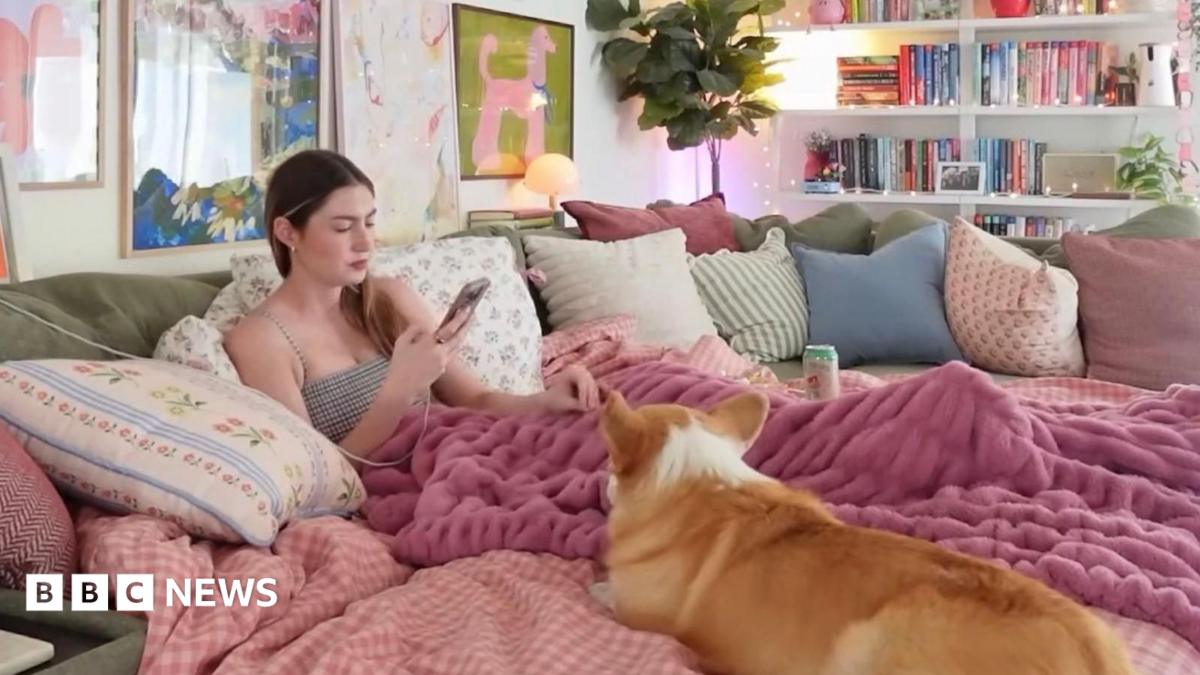
A new wave of content creators is redefining solitude, turning 'living alone without friends' into a viral aesthetic. But is this empowering independence or dangerous isolation?
Key Takeaways
- Content creators are rebranding solo living as a peaceful, aspirational lifestyle.
- The movement challenges the stigma that being alone is synonymous with being lonely.
- Health experts warn of the fine line between intentional solitude and harmful social isolation.
In a digital landscape dominated by constant connectivity, a niche group of creators is finding fame by doing the exact opposite. Lana Isa, a software sales manager from Toronto, has captured millions of views by showcasing the quiet, meditative routines of her life as a single, childfree woman living alone. Her content, which features simple acts like eating a frozen pizza by candlelight, has ignited a massive debate on social media.
These creators, often dubbed 'loneliness influencers' by critics, are attempting to destigmatize the experience of having no close social circle. For many, like Phoenix-based creator Devon Noehring, the goal isn't to romanticize sadness, but to celebrate the freedom found in introversion and independence. They argue that being alone is a way to recharge, not a symptom of crisis.
Why This Matters
BozokMedia analysis shows that this trend reflects a significant shift in modern social dynamics. As individualism increases in urban environments, the traditional stigma surrounding 'social failure' is being replaced by a new metric of success: personal peace and autonomy. This movement represents a cultural pushback against the 'hustle and socialize' culture of the 21st century.
"We are a social species; while solitude can be chosen, total isolation can be detrimental to our biological well-being."
However, the scientific community remains cautious. Professor Melody Ding, an epidemiologist at the University of Sydney, points out that while intentional solitude can be healthy, humans are evolutionarily wired for companionship. She warns that the 'aesthetic' version of loneliness seen on TikTok might mask the real-world risks of chronic social disconnection.
Historical Background
For most of human history, survival was tied to tribal cohesion. Isolation was often a death sentence. However, the rise of the nuclear family and subsequently the rise of single-person households in the West has paved the way for solitude to become a viable, and now even fashionable, lifestyle choice.
Frequently Asked Questions
1. What is the difference between solitude and loneliness?
Solitude is the state of being alone by choice and finding peace in it, whereas loneliness is the painful feeling of being disconnected from others.
2. Why are these influencers being criticized?
Critics argue that they are 'romanticizing' a lack of social support, which could potentially encourage people to withdraw from healthy social connections.