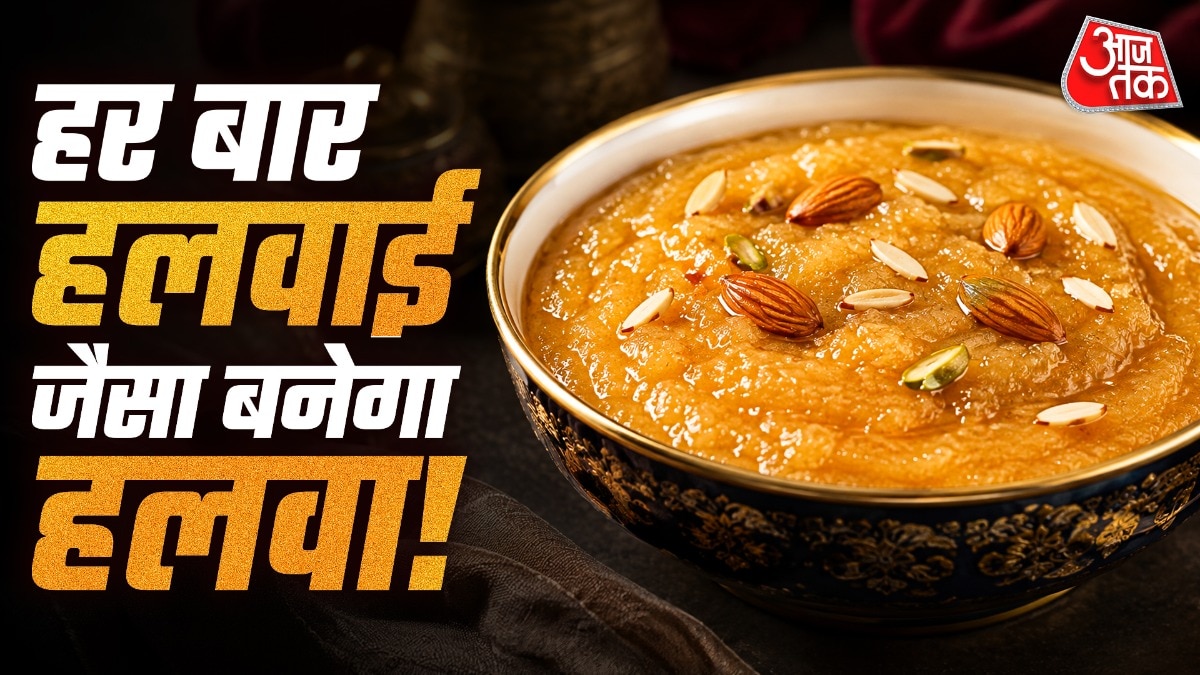
Tired of dry and tasteless Suji Halwa? Discover the 5 secret professional tricks to achieve that rich, juicy, and melt-in-the-mouth texture every single time.
Key Takeaways
- Maintain the correct ratio of semolina, ghee, and sugar.
- Add a secret ingredient (Gram flour) while roasting.
- Never rush the roasting process; use low heat.
- Add syrup gradually to prevent dryness.
Suji Ka Halwa (Semolina Pudding) is a staple dessert in Indian households, loved for its simplicity and warmth. However, many home cooks struggle with the common issue of the halwa turning out dry, sticky, or lacking that signature grainy texture found in sweet shops.
The Golden Ratio: The Foundation of Taste
To achieve a professional result, the balance between ingredients is non-negotiable. If the proportions are off, the dessert will either be overly greasy or disappointingly bland.
| Ingredient | Ideal Ratio |
|---|---|
| Semolina (Suji) | 1 Cup |
| Desi Ghee | 3/4 Cup |
| Sugar | 1 to 1.5 Cups |
BozokMedia analysis shows that the most common mistake is using insufficient ghee, which prevents the semolina from achieving its full potential for texture.
The Secret Ingredient: The Besan Trick
The ultimate professional secret lies in adding a small amount of Gram Flour (Besan). Once the semolina has turned golden and aromatic, add about 2 tablespoons of besan. This enhances the aroma and provides a unique, rich texture that sets professional halwa apart from homemade versions.
The key to a perfect halwa is patience; roasting the semolina on a low flame until it releases ghee is crucial.
Achieving the Perfect Juiciness
To avoid a dry texture, your sugar syrup must be prepared correctly. Mix 1 cup of sugar with 4 cups of water. Instead of pouring all the syrup at once, add it in small increments. This method ensures each grain of semolina absorbs the sweetness evenly without clumping.
Frequently Asked Questions
1. Why does my halwa become hard after cooling?
This usually happens due to an incorrect ratio of sugar or too much water evaporation during the cooking process.
2. Can I use vegetable oil instead of ghee?
While possible, ghee is essential for the authentic aroma and the 'melt-in-the-mouth' sensation.