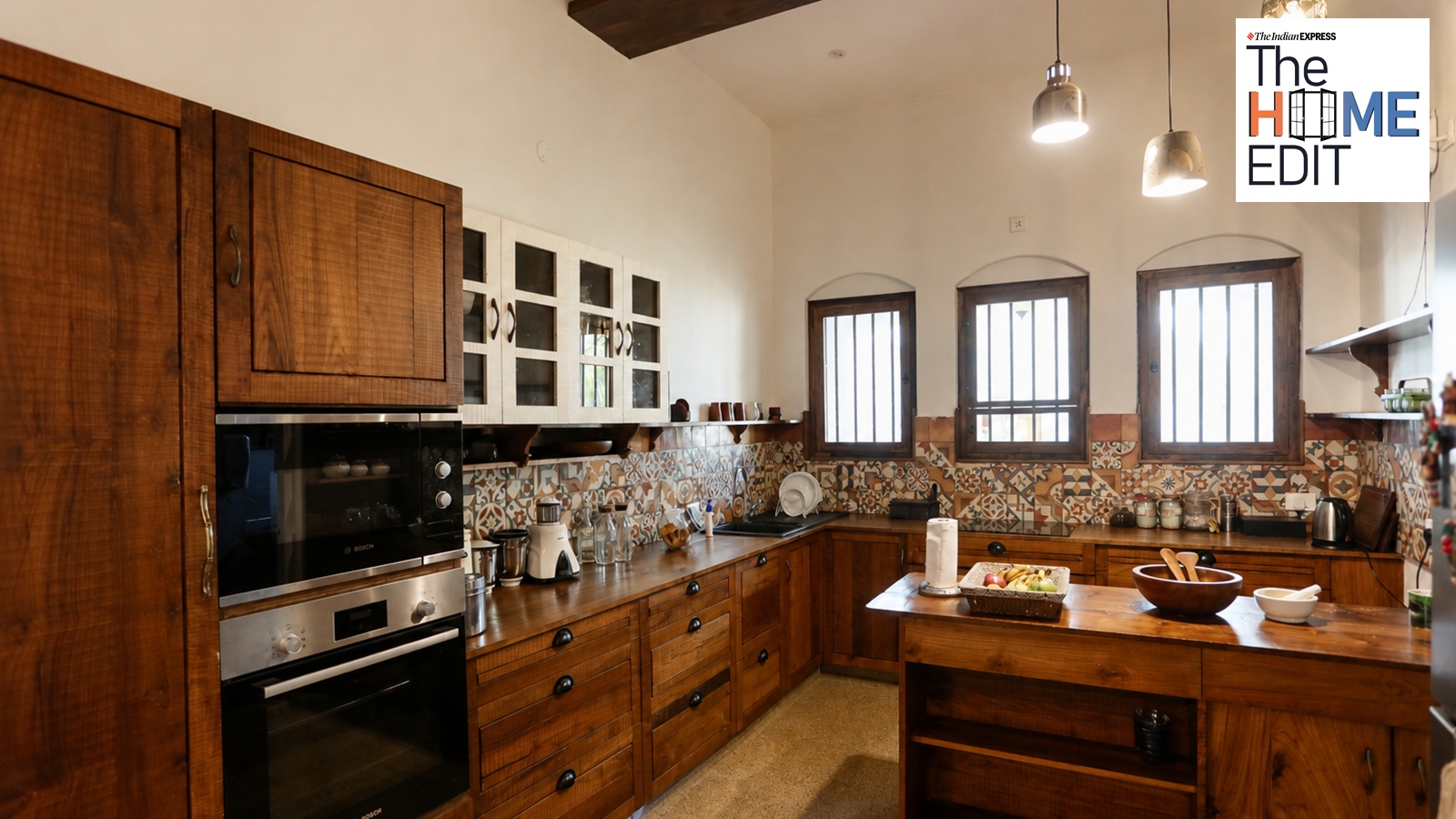
A kitchen is more than just a cooking space; it is the heart of the home. Discover the 8 critical design elements that ensure efficiency, comfort, and sustainability.
Key Takeaways
- Prioritize workflow and the 'Work Triangle' over aesthetics.
- Layered lighting and natural ventilation are non-negotiable.
- Smart storage solutions prevent clutter and improve usability.
- Ergonomics and sustainability ensure long-term comfort and health.
As modern lifestyles evolve, the kitchen has transitioned from a mere utility zone to the emotional center of the home. It is where families gather, conversations flow, and memories are made. Therefore, designing a kitchen requires a deep understanding of how the space will be lived in, moving beyond mere colors and finishes.
Function Over Aesthetics
A beautiful kitchen that fails to function efficiently is a source of frustration. The cornerstone of a great kitchen is the 'Work Triangle'—the efficient movement between the sink, the refrigerator, and the cooking zone. If these areas are poorly placed, daily chores become physically taxing.
The Role of Light and Air
Proper ventilation is crucial, especially in households involving heavy cooking. While chimneys are essential, natural daylight and cross-ventilation significantly improve indoor air quality and reduce energy costs. Furthermore, lighting should be layered: Task Lighting for prep work, Ambient Lighting for general visibility, and Accent Lighting for aesthetic warmth.
Storage and Ergonomics
Success in kitchen design is often measured by how well it manages clutter. Instead of just adding more cabinets, focus on organized systems like pull-out pantry units, deep drawers, and corner solutions. Additionally, ergonomics should never be ignored. Counter heights and shelf placements must be tailored to the user to prevent physical strain and back pain.
Why This Matters
BozokMedia analysis shows that investing in thoughtful kitchen ergonomics and smart storage can significantly increase property value and daily well-being, preventing the need for costly renovations later.
A truly functional kitchen blends seamless workflow with human-centric design to turn cooking into a joy rather than a chore.
Frequently Asked Questions
1. What is the 'Work Triangle' in kitchen design?
It is the efficient spatial relationship between the stove, the sink, and the refrigerator to minimize unnecessary movement.
2. How can I make my kitchen more sustainable?
You can use local materials, install water-saving fixtures, and implement organic waste composting systems.