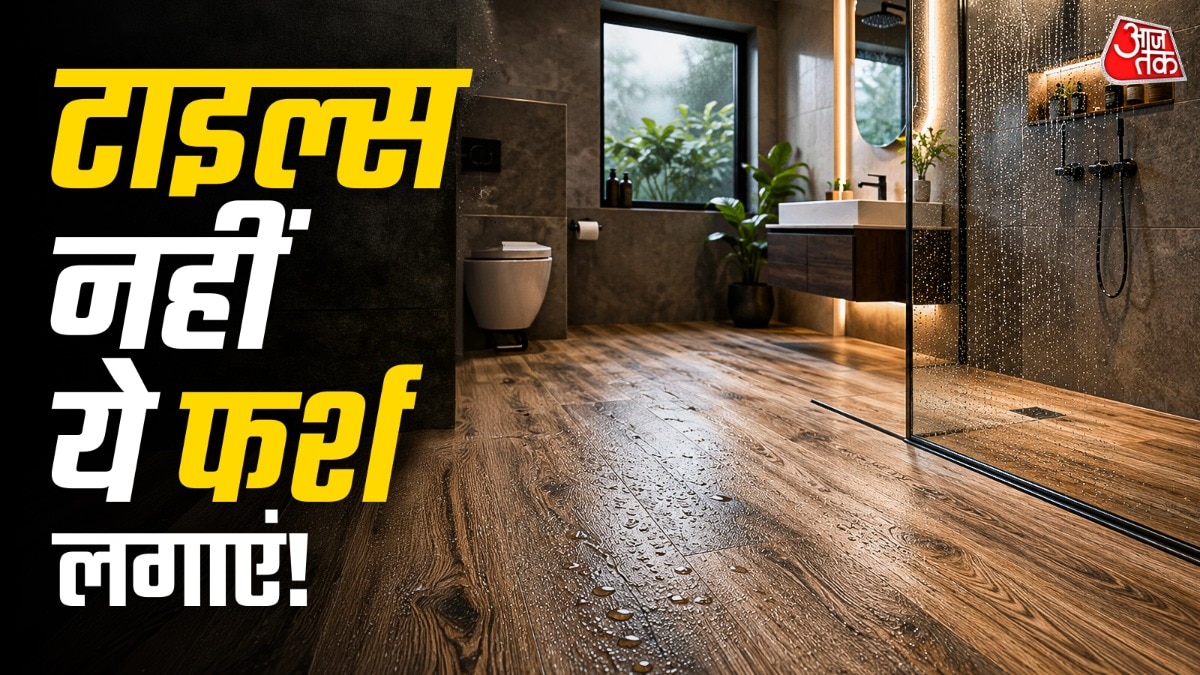
Anti-slip vinyl flooring is emerging as a modern and safe alternative to traditional tiles and marble in bathrooms. It combines aesthetic appeal with superior grip to prevent dangerous falls.
- Vinyl flooring is a synthetic, water-resistant material primarily made from PVC plastic.
- It offers significantly better grip than polished tiles, reducing the risk of accidents.
- It is cost-effective and available in various textures, including wood, stone, and marble.
Bathroom accidents caused by slippery floors are a common household hazard. While most homeowners instinctively choose tiles or marble for their premium look, these surfaces often become treacherous when wet. For households with children or elderly members, the choice of flooring is not just about aesthetics but is a critical safety concern. This is where anti-slip vinyl flooring provides a sophisticated solution.
What is Vinyl Flooring and How Does it Work?
Vinyl flooring is a synthetic material composed largely of PVC plastic. It is designed to mimic the appearance of natural wood, marble, or stone but is lighter, more affordable, and easier to install. Its inherent resistance to moisture and humidity makes it an ideal candidate for high-moisture environments like bathrooms.
Why This Matters
BozokMedia analysis shows that modern home decor is shifting from a purely aesthetic focus to a 'safety-first' approach. The rising popularity of vinyl flooring indicates a growing consumer preference for low-maintenance materials that prioritize the physical well-being of the occupants.
"Choosing the right bathroom flooring is not merely an interior design choice; it is a vital health and safety decision for the entire family."
Advantages Over Traditional Tiles
One of the biggest drawbacks of tiles is their cold temperature, which can be uncomfortable during winter mornings. Vinyl flooring, conversely, feels softer and warmer underfoot. Furthermore, because it is not as rigid as stone, it provides a cushioning effect, significantly reducing the impact and severity of injuries if a fall occurs.
| Feature | Traditional Tiles/Marble | Vinyl Flooring |
|---|---|---|
| Slippage Risk | High (when wet) | Very Low (Anti-slip) |
| Temperature | Cold and Hard | Warm and Soft |
| Installation Cost | High | Budget-friendly |
| Aesthetics | Classic | Modern & Versatile |
Maintenance and Installation Guidelines
Vinyl flooring is remarkably easy to maintain, as soap scum and grime can be wiped away with minimal effort. However, it is advised to avoid harsh chemical cleaners that could degrade the protective top layer. For installation, the subfloor must be perfectly level and dry. Proper sealing of joints and edges is mandatory to prevent water from seeping underneath the material.
Frequently Asked Questions
Q1: Is vinyl flooring completely waterproof?
A: While the material itself is water-resistant, the overall installation is waterproof only if the joints are sealed correctly.
Q2: Does the anti-slip property wear off over time?
A: No surface is 100% slip-proof forever, but high-quality anti-slip vinyl maintains its grip far longer than polished stone if maintained properly.