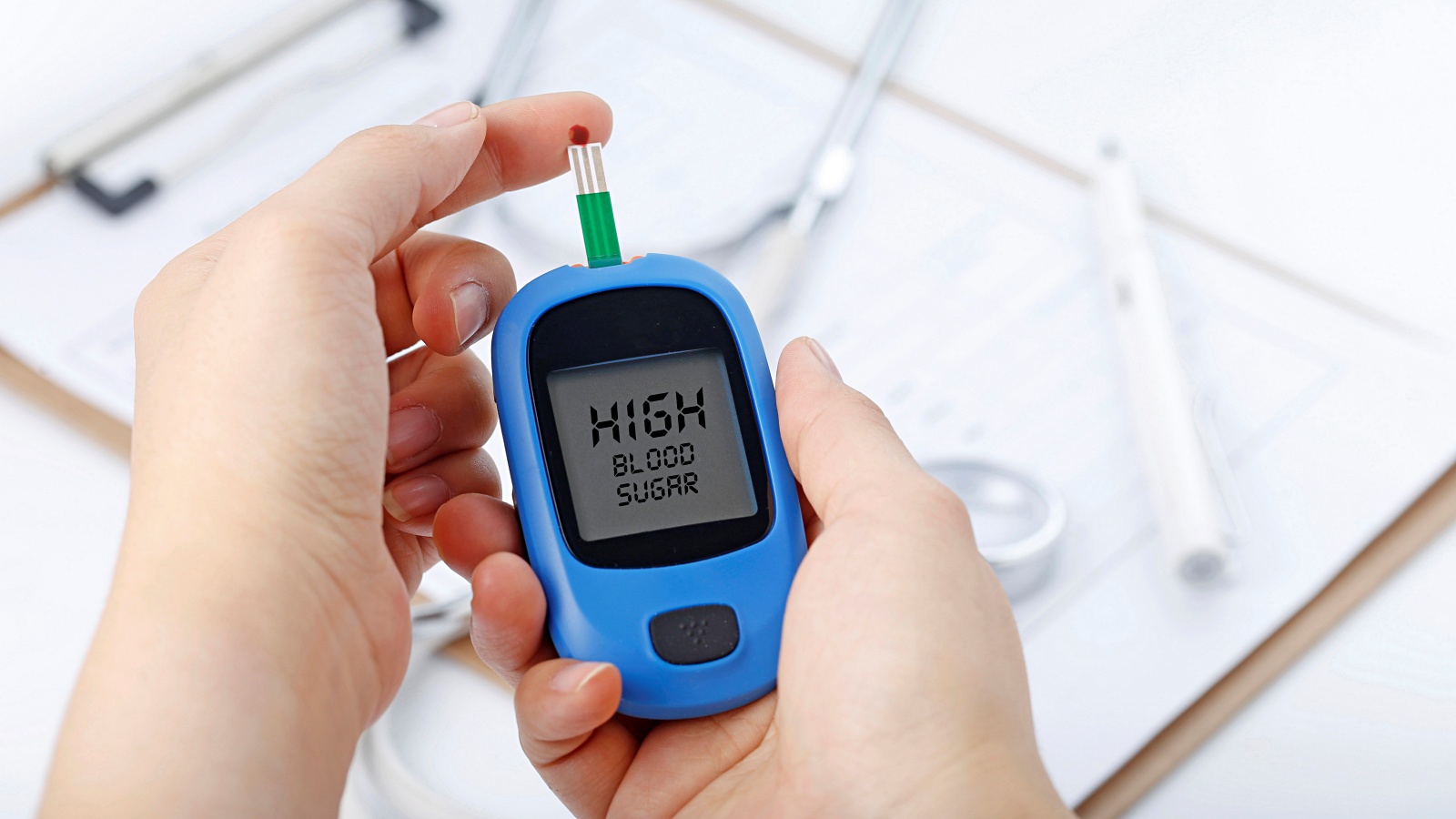
A blood sugar reading of 230 mg/dL can be alarming, but one reading doesn't tell the whole story. Experts explain when to worry and how to manage metabolic health.
- A reading of 230 mg/dL is high but requires context (fasting vs. post-meal).
- HbA1c is the gold standard for understanding long-term glucose trends over 3 months.
- Comprehensive metabolic screening (Kidneys, Liver, Eyes) is vital beyond just sugar levels.
- Urgent medical help is needed if high sugar is paired with vomiting or confusion.
Discovering a blood sugar reading of 230 mg/dL can trigger immediate panic, especially for those unfamiliar with glycemic indices. However, medical professionals emphasize that a single snapshot of blood glucose is rarely enough to diagnose the severity of a patient's condition.
Dr. Rajiv Kovil, a Diabetes & Obesity Specialist at Zandra Healthcare, explains that the significance of 230 mg/dL depends entirely on the timing of the test. Fasting glucose primarily reflects the liver's glucose release overnight, whereas post-meal glucose includes the additional load from dietary intake. Therefore, a high reading after a heavy meal is viewed differently than a high fasting level.
The Critical Role of HbA1c
To get a comprehensive view, doctors rely on the HbA1c test. Unlike a glucometer reading, which is a momentary measurement, HbA1c reflects the average glucose exposure over the previous 2–3 months. This allows clinicians to determine if the 230 mg/dL reading was an isolated spike caused by stress or diet, or if it is part of a chronic pattern of hyperglycemia.
Why This Matters
BozokMedia analysis shows a growing trend of 'number-chasing' where patients focus solely on lowering their glucose digits while ignoring systemic health. Diabetes is not just about sugar; it is a metabolic disorder. A high reading should trigger a full assessment of kidney function (UACR), blood pressure, cholesterol, and retinal health to prevent long-term complications like neuropathy or cardiovascular disease.
"230 is not a number to panic about but it is certainly a number to act upon. Treat the person and their overall metabolic risk, not merely the glucose report."
The positive news is that a level of 230 mg/dL is generally manageable. Through a combination of structured nutrition, weight management, physical activity, and targeted medication, most individuals can bring these levels back to a healthy range.
| Scenario | Significance | Recommended Action |
|---|---|---|
| Isolated Reading (230) | Warning Signal | Consult Physician & HbA1c Test |
| High Sugar + Acute Symptoms | Medical Emergency | Immediate ER Visit |
Frequently Asked Questions
Q1: Does a 230 mg/dL reading require an immediate trip to the ER?
A: Not necessarily. If you are otherwise asymptomatic, it is not an emergency, but you should schedule a doctor's visit soon. However, if you experience vomiting, rapid breathing, or confusion, seek urgent care.
Q2: Can 230 mg/dL be lowered through diet alone?
A: In many cases, structured nutrition and exercise can significantly lower these levels, but only a doctor can determine if medication is necessary based on your overall health profile.