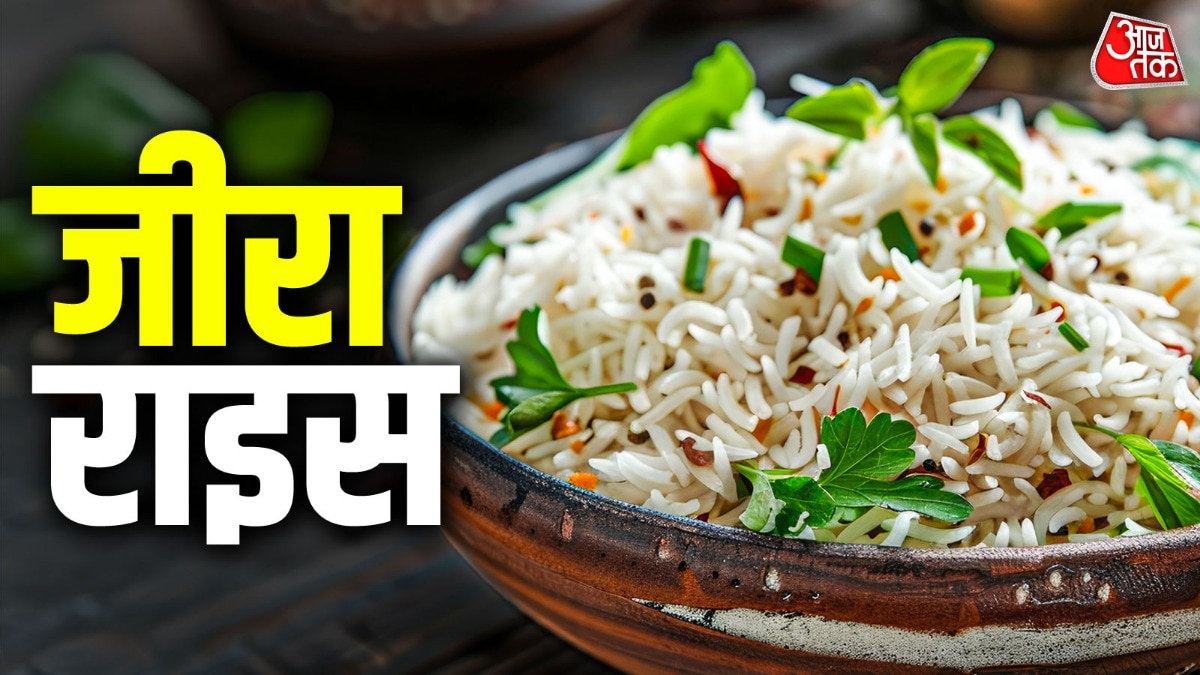
Upgrade your dining experience with this professional Jeera Rice recipe. Learn the exact steps to achieve non-sticky, aromatic, and fluffy grains every single time.
- Use high-quality Basmati rice and soak it before cooking.
- Sautéing rice in ghee prevents grains from sticking together.
- Use a fork to fluff the rice after cooking to maintain grain integrity.
Rice is the cornerstone of the Indian diet, but plain boiled rice can often feel monotonous. Jeera Rice (Cumin Rice) is the perfect aromatic alternative that elevates simple meals into a gourmet experience. Whether paired with Dal Tadka, Rajma, or Chole, this dish adds a layer of sophistication to any table.
Essential Ingredients
To achieve that professional hotel-style texture and taste, gather the following:
- Basmati Rice: 1½ cups (soaked and drained)
- Desi Ghee: 2 tbsp
- Cumin Seeds (Jeera): 2 tsp
- Whole Spices: 1 Star Anise, 1-inch Cinnamon stick, 7-8 Black peppercorns, 3-4 Green cardamoms, 3-4 Cloves
- Others: 3 cups water, salt to taste, and finely chopped fresh coriander
The Culinary Process
Begin by heating desi ghee in a deep pan. Once hot, add the star anise, cinnamon, peppercorns, cardamom, and cloves. Finally, add the cumin seeds and sauté for a few seconds until they crackle and release their essential oils.
Add the soaked Basmati rice to the pan. Gently sauté the grains for 1-2 minutes. This step is crucial as it coats each grain in fat, ensuring they remain separate after cooking. Pour in 3 cups of water and add salt. Cover the pan with a tight lid and simmer on low heat for 10-15 minutes.
Why This Matters
BozokMedia analysis shows that the distinction between home-cooked and restaurant-style rice lies in the moisture control and the fat-coating technique. By roasting the rice in ghee first, you create a hydrophobic barrier that prevents the starch from making the rice gummy.
"The secret to the perfect grain is not just the rice variety, but the patience in the simmering process and the gentle handling post-cooking."
Once the rice is cooked, garnish with fresh coriander. Use a fork to gently fluff the rice. This allows the remaining steam to escape and separates the grains without breaking them.
Frequently Asked Questions
Q1: Can I use oil instead of ghee?
Yes, but ghee provides a distinct nutty aroma and richness that is characteristic of authentic Jeera Rice.
Q2: Why does my rice often turn out mushy?
This usually happens due to overwatering or stirring the rice too vigorously while it is cooking.