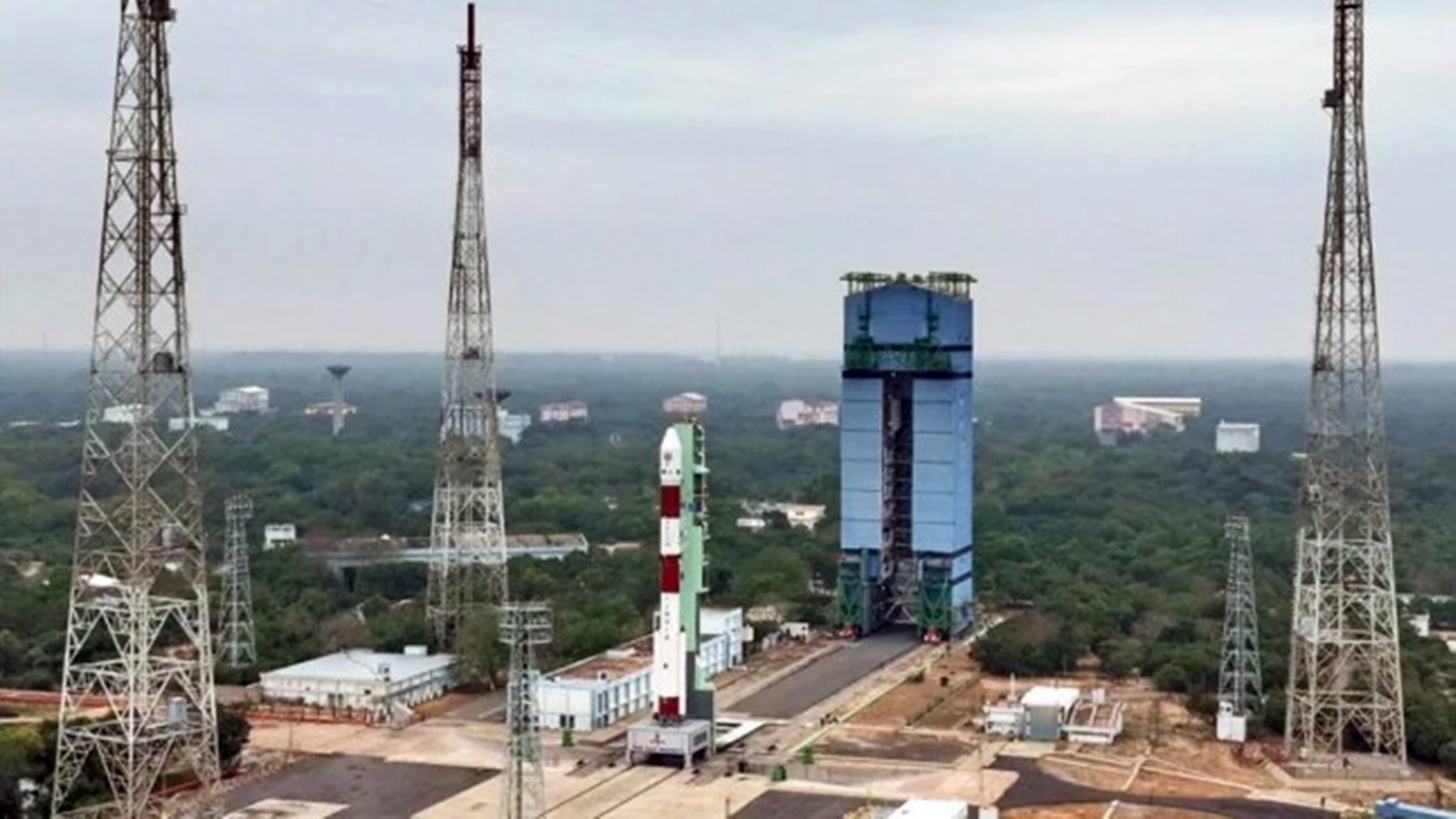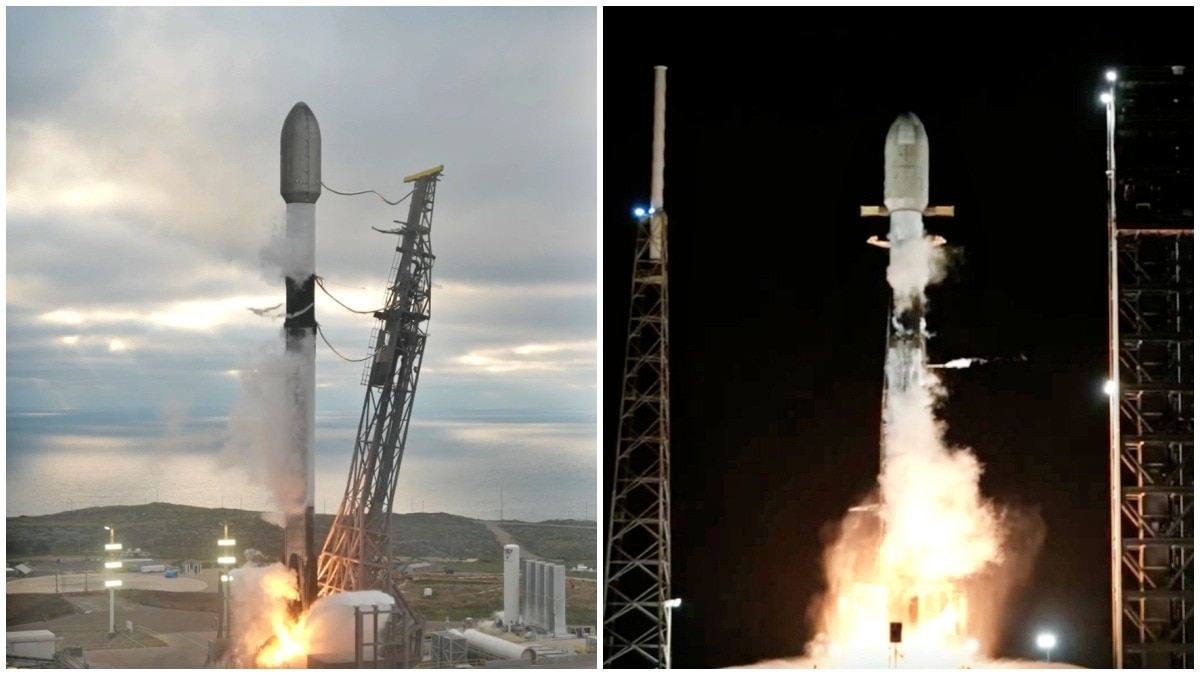
In a stunning display of operational efficiency, SpaceX launched two Falcon-9 rockets into orbit just 38 minutes apart from opposite coasts of the US, redefining the cadence of modern spaceflight.
- Two Falcon-9 rockets launched from Florida and California within 38.5 minutes.
- Missions served Globalstar (commercial) and US Space Force (classified).
- Boosters achieved their 14th and 18th successful flights respectively.
SpaceX has once again shattered the boundaries of rapid spaceflight operations, achieving a company record by launching two Falcon 9 rockets into orbit just 38 minutes apart. This feat, occurring on the night of August 15, underscores the company's aggressive push toward high-cadence, reusable launch operations that mirror the frequency of commercial aviation.
The strategic execution involved simultaneous operations on opposite coasts of the United States. The first Falcon 9 lifted off from the Cape Canaveral Space Force Station in Florida. This mission was dedicated to the Louisiana-based telecommunications firm Globalstar, successfully deploying eight satellites into low-Earth orbit (LEO) to enhance global connectivity.
Barely 38.5 minutes later, a second Falcon 9 rocket blasted off from the Vandenberg Space Force Base in California. Designated as mission USSF-366, this flight was conducted for the US Space Force. While the payload remains classified, industry experts suggest the mission likely involved the Starshield platform—a secure, military-grade evolution of the Starlink constellation designed for defense and national security applications.
Why This Matters
BozokMedia analysis shows that SpaceX is no longer just a launch provider; it is building a scalable infrastructure for planetary access. By reducing the gap between launches to under an hour, SpaceX is proving that the 'airline-like' model of space travel is technically feasible. This capability is critical for the rapid deployment of satellite constellations and immediate response to national security needs.
"The transition from hourly to minute-based launch gaps marks the industrialization of the orbit, making space an extension of our terrestrial logistics."
The technical prowess of the mission was further highlighted by the successful recovery of both first-stage boosters. The Florida booster returned to Cape Canaveral, marking its 14th successful flight. Meanwhile, the California booster landed on the droneship 'Of Course I Still Love You' in the Pacific Ocean, completing its impressive 18th mission. This level of reusability is the primary driver behind SpaceX's cost dominance in the global market.
| Feature | Florida Launch | California Launch |
|---|---|---|
| Client | Globalstar | US Space Force (USSF-366) |
| Payload Type | Commercial Telecom | Classified (Starshield) |
| Booster Flight # | 14th Flight | 18th Flight |
Historically, SpaceX set a similar record in August 2024 with a 65-minute gap. The current reduction to 38 minutes represents a significant leap in operational maturity. With 96 Falcon 9 missions already completed in 2026, the company continues to dominate, with nearly 75% of flights dedicated to the Starlink constellation, which now boasts nearly 11,000 satellites.
Frequently Asked Questions
1. Is this the fastest launch cadence in history?
For orbital-class rockets, yes. SpaceX has consistently lowered the time between launches to prove that space access can be routine.
2. What is the difference between Starlink and Starshield?
Starlink provides consumer broadband internet, while Starshield is a specialized version for government and military use, featuring enhanced security and specialized sensors.