Photographer Niccolò Rastrelli’s 'IRL' project explores the profound dichotomy between the private bedrooms of Gen Z and their highly curated online personas. A deep dive into the first generation of digital natives.
- Photographer Niccolò Rastrelli launched the 'IRL' project to bridge the gap between Gen Z's offline and online identities.
- The bedroom serves as the primary site for identity formation, mirroring the functions of social media.
- Many Gen Z individuals use multiple accounts to separate their authentic selves from their public personas.
For the first true digital natives, identity is no longer a singular concept; it is a split existence. Photographer Niccolò Rastrelli has embarked on a profound visual journey titled 'IRL' (In Real Life), aiming to capture the tension between the physical spaces Gen Z inhabits and the digital landscapes they navigate. While Millennials stumbled into the social media era, Gen Z has been raised with the internet as a primary language.
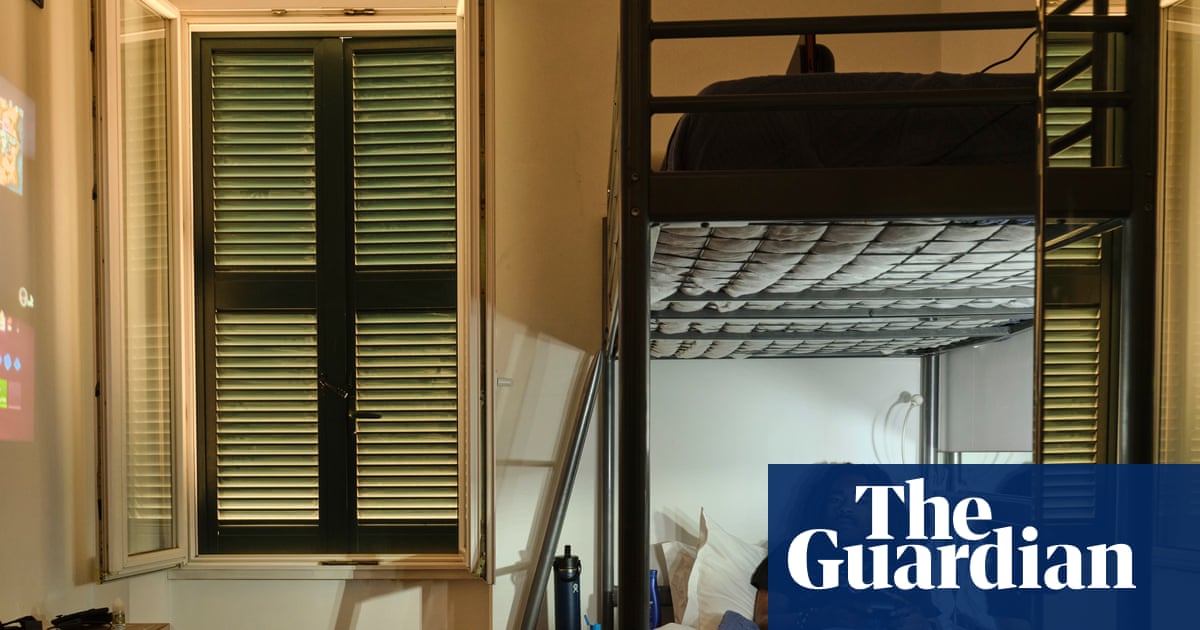
Rastrelli’s approach is intimate and dualistic. He captures subjects in their bedrooms—their first true solo domains—alongside snapshots of their smartphone screens. The bedroom, filled with posters, books, and personal artifacts, tells a story of who they are. Conversely, their Instagram stories and TikTok feeds show who they wish the world to see. This juxtaposition highlights the labor involved in modern self-presentation.
Why This Matters
BozokMedia analysis shows that the distinction between 'private' and 'public' is becoming increasingly blurred and strategic for younger generations. Unlike previous generations who viewed the internet as a tool for connection, Gen Z views it as a sophisticated medium for identity management, often using it as a professional tool or a highly controlled diary.
"I decided to shoot in the bedroom because when you’re young, it’s such an important place. It’s really your first solo home," says Rastrelli.
The project reveals a fascinating trend: the rise of the 'private' digital space. Subjects like 16-year-old Lana explain that they only feel truly free to be themselves on their most private accounts. This suggests that the 'public' internet is becoming a stage for performance, while the 'private' digital space has become the new bedroom—a sanctuary for the authentic self.
| Dimension | The Bedroom (IRL) | The Social Feed (Online) |
|---|---|---|
| Core Function | Physical comfort and self-discovery | Social curation and expression |
| Content | Tangible objects (books, music, decor) | Digital artifacts (filters, selfies, stories) |
| Audience | The individual/Family | The global/Peer network |
While policymakers in the UK debate banning under-16s from social media, Rastrelli’s observations suggest a more nuanced reality. Many Gen Zers appear more digitally literate and cautious than their predecessors. They are not just passive consumers; they are active curators who understand the weight of their digital footprint, often maintaining multiple personas to protect their mental well-being.
Frequently Asked Questions
1. What does 'IRL' stand for in Rastrelli's project?
It stands for 'In Real Life,' highlighting the contrast with online existence.
2. Why did the photographer choose bedrooms as the setting?
Because the bedroom is the first place where young people establish their own personal identity and autonomy.