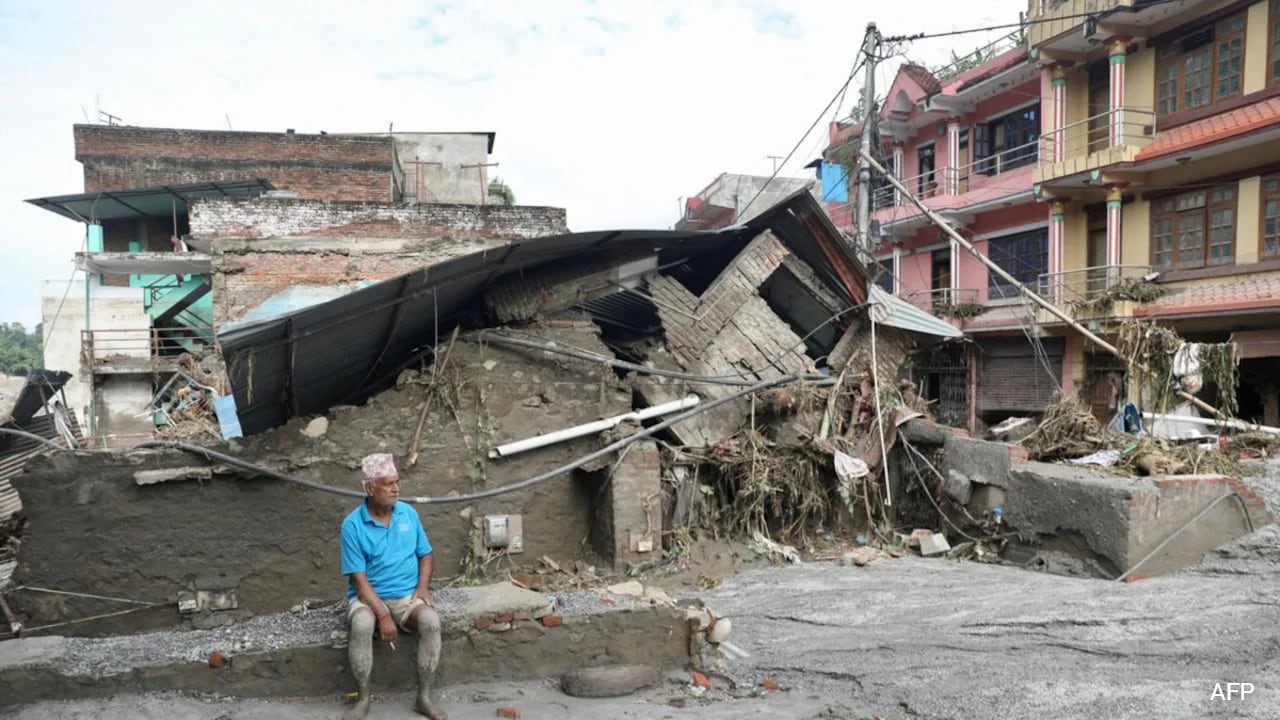
Recent floods in Nepal have underscored the severe threats posed by rapidly melting glaciers in the Himalayan region. Climate change is accelerating glacial retreat, increasing the frequency and intensity of Glacial Lake Outburst Floods (GLOFs), with devastating consequences for mountain communities. This event serves as a stark reminder of the immediate impacts of the global climate crisis.
- Floods in Nepal highlight growing risks from melting Himalayan glaciers.
- Climate change accelerates glacier retreat, increasing the threat of GLOFs.
- Urgent adaptation and early warning systems are needed to protect vulnerable mountain communities from floods and landslides.
The recent devastating floods in Nepal have once again drawn global attention to the fragility of the Himalayan region and the escalating impacts of climate change. These events are directly linked to the rapid melting of glaciers, which are receding at an unprecedented rate due to global warming. This situation poses severe challenges not only for Nepal but for the entire South Asian region, which relies heavily on the rivers fed by these 'Third Pole' glaciers.
Scientists have long warned that the Himalayas, which hold the largest store of ice on Earth outside the polar regions, are particularly vulnerable to climate change. Rising temperatures are causing glaciers to melt at an accelerated pace, leading to the formation and expansion of glacial lakes. These lakes are inherently unstable, increasing the risk of Glacial Lake Outburst Floods (GLOFs) – sudden and massive discharges of water, debris, and sediment that can cause immense destruction to settlements, infrastructure, and agricultural land downstream.
The Retreat of Himalayan Glaciers and GLOF Threats
The rate of glacial melt in the Himalayas has dramatically increased over the past few decades. Studies indicate that the melt rate has doubled since the turn of the 21st century. This not only causes immediate flooding but will also impact long-term water availability in river systems, profoundly affecting agriculture, hydropower, and ecosystems. Countries like Nepal, Bhutan, and India have recorded several GLOF events in the past, but their frequency and intensity are projected to rise with ongoing climate change.
Nepal, with its steep terrain and densely populated river valleys, is particularly susceptible to GLOFs. Many mountain communities are situated directly downstream of these glacial lakes, placing them in the direct path of catastrophic floods. Such events not only cause loss of life and property but also displace entire communities, pushing them further into cycles of poverty and vulnerability.
Why This Matters
BozokMedia analysis shows that incidents like the Nepal floods are not merely localized disasters but a direct consequence of a global climate crisis. The stability of the Himalayan region is crucial for the water security and regional stability of all of Asia. The melting of these glaciers will impact the lives of billions who depend on these river systems for their sustenance. It serves as a stark reminder of the urgent need for global cooperation and localized adaptation strategies to combat climate change.
"The melting of Himalayan glaciers is a ticking time bomb. We must not only act globally to reduce carbon emissions but also implement urgent adaptation measures to protect the most vulnerable communities from these inevitable threats."
To mitigate these risks, Nepal and other Himalayan nations need to invest in early warning systems, monitor glacial lakes, and reinforce infrastructure in high-risk areas. The international community must provide financial and technical support to bolster these efforts. Concurrently, aggressive global action to reduce greenhouse gas emissions remains paramount.
Frequently Asked Questions
- What are Glacial Lake Outburst Floods (GLOFs)?
- How is climate change specifically impacting Himalayan glaciers?