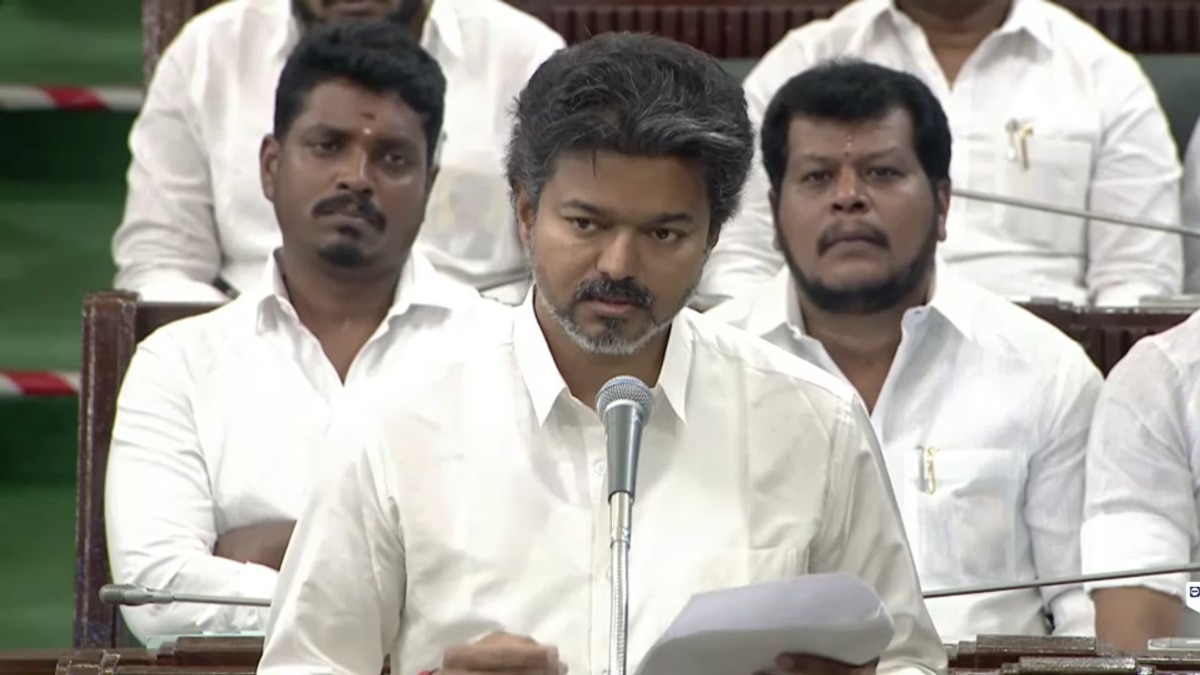
A viral claim suggests Akhilesh Yadav referred to the UP government as 'Yogi Sarkar'. Our investigation reveals the truth behind this linguistic confusion.
- Akhilesh Yadav called for a 'Yogya Sarkar' (Capable Government), not 'Yogi Sarkar'.
- The viral claim is a result of linguistic manipulation and intentional misspelling.
- Fact-checking confirms no such derogatory or direct reference to 'Yogi Sarkar' was made in the original context.
In the volatile landscape of Uttar Pradesh politics, misinformation often travels faster than the truth. A recent viral trend on social media platforms has claimed that Samajwadi Party leader Akhilesh Yadav referred to the current administration as the 'Yogi Sarkar'. However, a detailed investigation by Factly reveals that this is a gross misinterpretation of his actual words.
The core of the issue lies in the subtle linguistic difference between the words 'Yogya' (meaning capable or worthy) and 'Yogi' (referring to CM Yogi Adityanath). Yadav was advocating for a government that possesses the capability to serve the people, termed as a 'Yogya Sarkar'. This nuance was intentionally stripped away by certain social media actors to create a sensationalist headline.
Why This Matters
BozokMedia analysis shows that phonetic manipulation is becoming a standard tool in digital political warfare. By twisting a single syllable, bad actors can transform a constructive critique of governance into a personal or provocative attack, thereby polarizing the electorate.
The weaponization of phonetics in political discourse is a growing threat to informed democratic debate.
Historically, political rhetoric in India has often revolved around the perceived competence of the ruling party. When opposition leaders demand a 'capable' administration, it is frequently weaponized by the ruling side as a direct critique of the leader's persona. In this instance, the transition from 'capability' to 'identity' was a deliberate attempt to manufacture controversy.
As digital literacy becomes crucial, it is imperative for consumers of news to look beyond catchy headlines. The distinction between a critique of administrative 'worth' and a direct naming of a leader is vital for maintaining the integrity of political discourse.
Frequently Asked Questions
Question 1: What did Akhilesh Yadav actually say?
Answer: He called for a 'Yogya Sarkar' (a capable government) in Uttar Pradesh.
Question 2: Why is this being called a 'misconstruction'?
Answer: Because the word 'Yogya' was intentionally replaced with 'Yogi' in social media posts to create political friction.