Wilderness expert Sushil Chikane shares his harrowing journey of battling Guillain-Barré Syndrome (GBS), a rare neurological disorder that paralyzed him. His story is one of immense mental grit and the power of incremental progress.
- Sushil Chikane was diagnosed with the rare neurological disorder GBS in 2025.
- GBS occurs when the body's immune system attacks the peripheral nerves.
- Chikane used social media to document the emotional and psychological toll of the illness.
- His recovery strategy was inspired by mountaineering principles: taking one step at a time.
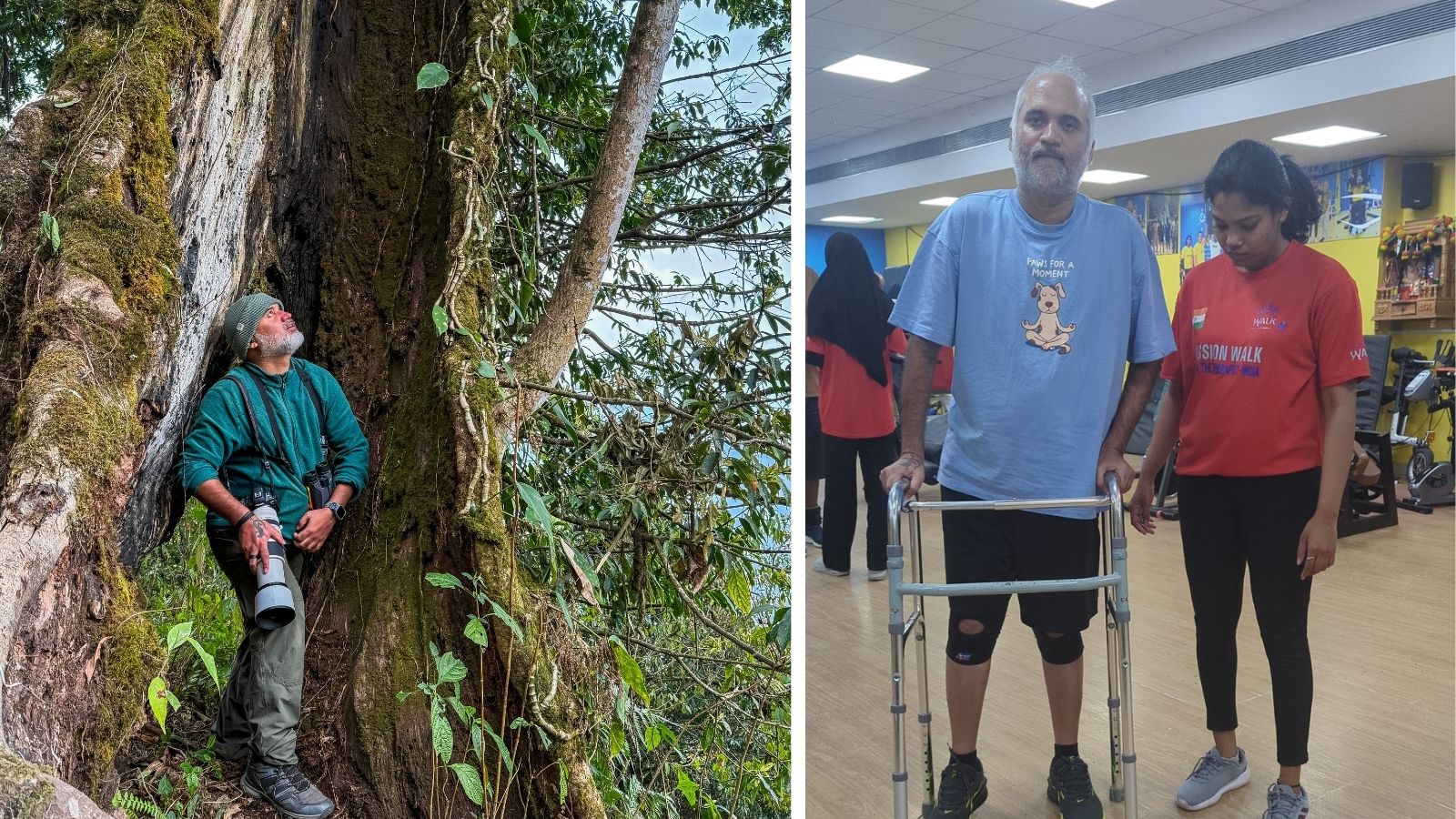
Navigating a popular bistro on the Baner-Pashan Link Road in Pune, 38-year-old Sushil Chikane uses a walker for support. While a slight tremor remains in his hand, his steady grip ensures not a drop of coffee is spilled. "The only thing I cannot do today is climb steps without assistance," he says. "A big achievement yesterday was learning to get up on my own if I fall. It might take half an hour, but I will do it independently."
Chikane's journey is a profound narrative of survival. On November 7, 2025, he posted a haunting video captioned, "Trapped in my body, but finally waking up..." The footage showed him immobilized in a hospital bed, struggling with basic functions. This was part of a larger outbreak of Guillain-Barré Syndrome (GBS) in Pune, which saw over 110 suspected cases by January 2025.
The Sudden Descent into Paralysis
A seasoned wilderness expert and director of 'Journeys,' Chikane was leading an active life, traveling through Sikkim and the Himalayas. The onset was terrifyingly sudden. While working on a video, he realized he couldn't move his mouse. By evening, he couldn't rise from his chair. He soon lost control over almost everything—including his ability to move his fingers or even close his eyelids.
The emotional toll was as devastating as the physical one. "I was crying every day, cursing myself and the medical system," Chikane recalls. During a low point in a sanitized hospital room, his mother, Kumudini Chikane, provided the spark of resilience he desperately needed, refusing to let him succumb to despair.
Why This Matters
BozokMedia analysis shows that neurological disorders like GBS are often shrouded in medical misinformation. Many patients are misdiagnosed with common ailments like arthritis, leading to delayed treatment and permanent damage. Chikane’s decision to document his journey on social media has bridged a critical gap, bringing attention to the often-ignored psychological trauma that accompanies chronic neurological conditions.
"When I started mountaineering, I was told: never look at a peak, as it will stress you out. You look down, and take one step at a time." - Sushil Chikane
Chikane applied the discipline of the mountains to his rehabilitation. Instead of obsessing over when he would return to work, he focused on the immediate struggle. By involving his family in his documentation process, he turned his personal tragedy into a tool for public education, warning others about the dangers of quacks and superstition surrounding GBS.
Frequently Asked Questions
1. What exactly is Guillain-Barré Syndrome (GBS)?
GBS is a rare neurological disorder where the body's immune system attacks the peripheral nervous system, causing muscle weakness and sometimes paralysis.
2. How did Chikane manage the mental health aspect of his illness?
He used social media to express his frustrations and emotions, helping both himself and others understand the psychological impact of the disease.