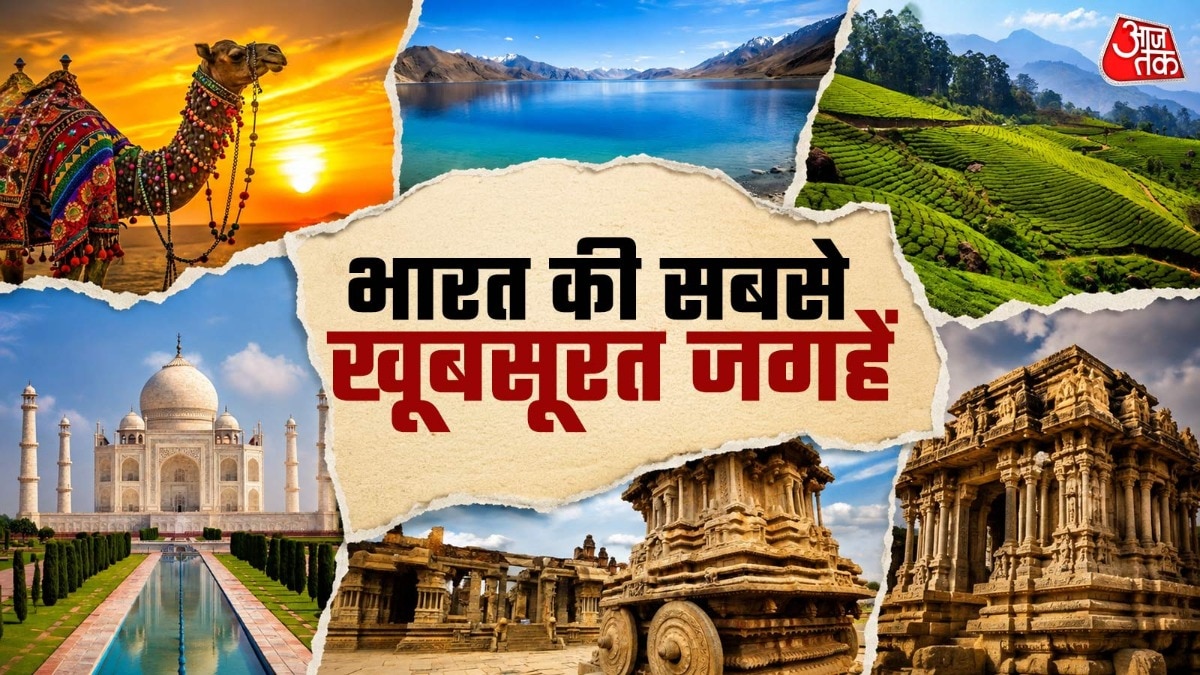
From the surreal white salt deserts of Gujarat to the crystal-clear waters of Meghalaya, discover 10 breathtaking destinations that make India a global tourism powerhouse.
- India offers a diverse mix of ancient architecture, serene landscapes, and rich wildlife.
- Sites like Hampi and Ajanta-Ellora showcase the pinnacle of ancient Indian craftsmanship.
- Natural wonders such as Pangong Lake and Dawki River provide world-class scenic beauty.
India is renowned worldwide for its stunning valleys, historic monuments, pristine beaches, and unique natural phenomena. The country possesses a geographical diversity so vast that travelers often feel they are visiting multiple countries within one. From the snow-capped peaks of the North to the tropical shores of the South, the Indian landscape is a tapestry of wonder.
Architectural Marvels and Heritage
For those fascinated by history, Hampi (Karnataka) serves as an open-air museum, once the heart of the Vijayanagara Empire. Similarly, the Ajanta and Ellora Caves (Maharashtra) are masterpieces of rock-cut architecture, featuring intricate sculptures and paintings. The Taj Mahal (Agra) remains the ultimate symbol of love and architectural perfection, drawing millions with its luminous white marble.
The Magic of Nature
Nature enthusiasts can find solace in the rolling tea gardens of Munnar (Kerala) or the turquoise waters and white sands of Radhanagar Beach (Andaman). In the high altitudes of Ladakh, Pangong Lake is famous for its changing colors and serene environment. Meanwhile, Dawki (Meghalaya) is celebrated for its transparent river, where boats appear to be floating in mid-air.
Unique and Adventurous Escapes
The Rann of Kutch (Gujarat) offers a surreal experience with its vast expanse of white salt, especially during a full moon. For wildlife lovers, Pench National Park (Madhya Pradesh) provides a thrilling opportunity to spot tigers in their natural habitat. One of the most unique structures in the world, the Double Decker Living Root Bridge (Meghalaya), demonstrates a harmonious bond between humans and nature, grown from the roots of living trees.
Why This Matters
BozokMedia analysis shows that domestic tourism in India is shifting from traditional religious sites to 'experiential travel'. People are now seeking destinations that offer a mix of adventure, photography-worthy landscapes, and cultural immersion, which is boosting the local economy of remote regions like Meghalaya and Ladakh.
"India's true beauty lies in its diversity; every stone here tells a story, and every river sings a poem."
| Category | Key Destinations | Primary Attraction |
|---|---|---|
| Heritage | Taj Mahal, Hampi | Architecture & History |
| Nature | Pangong Lake, Munnar | Scenic Beauty & Peace |
| Adventure | Rann of Kutch, Pench | Unique Landscapes & Wildlife |
Frequently Asked Questions
1. When is the best time to visit India?
Generally, October to March is the ideal window, though the Himalayan regions are best visited between May and July.
2. Is the Double Decker Root Bridge accessible for everyone?
It requires a significant trek, making it more suitable for those who are physically active and enjoy nature walks.