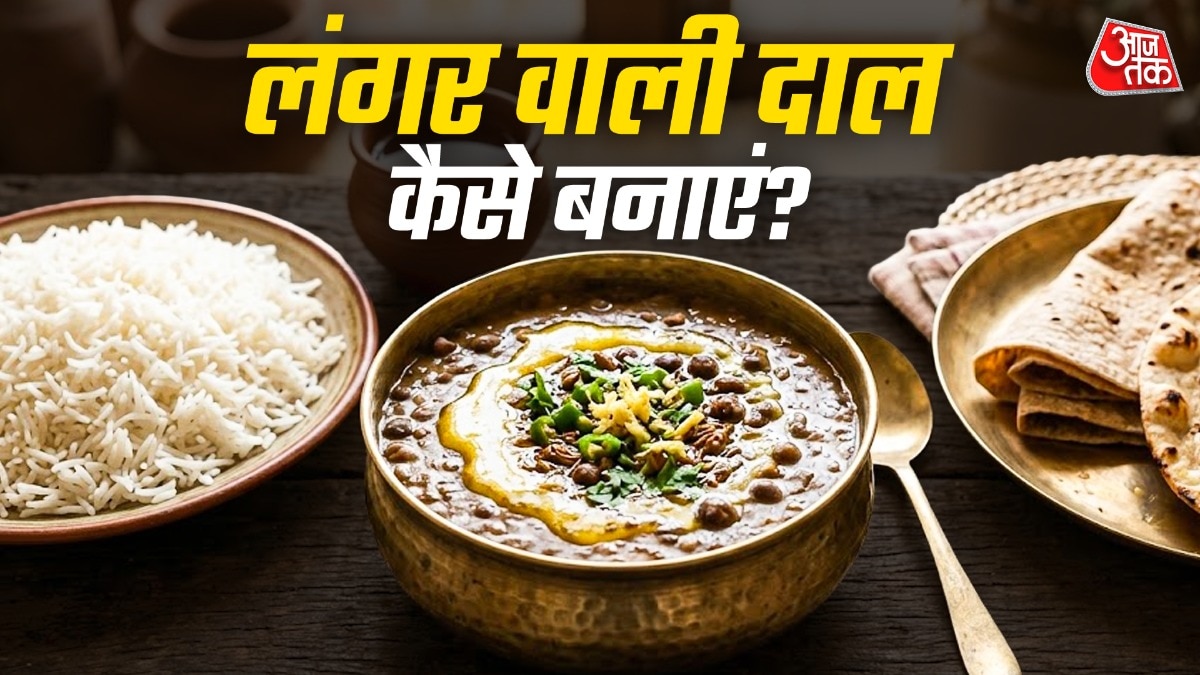
Craving the soul-satisfying taste of Gurudwara Langar Dal? Learn how to make this nutritious, garlic-free, and onion-free mixed lentil recipe using traditional spices and desi ghee.
- Authentic recipe prepared without onion and garlic.
- A nutritious blend of Urad, Chana, Arhar, and Black Gram.
- The secret lies in the slow-cooked tempering of desi ghee and hand-crushed spices.
In India, Dal-Chawal is the ultimate comfort food, but nothing quite matches the spiritual and culinary depth of the Mix Dal served in Gurudwara Langars. This dish is a testament to the beauty of simplicity, relying on the natural flavors of lentils and the aromatic punch of hand-crushed spices rather than complex ingredients like onion or garlic.
The Essential Ingredients
To achieve that authentic texture, a blend of different lentils is required: Urad Dal (Split Black Gram), Arhar Dal (Pigeon Peas), Chana Dal (Split Bengal Gram), and Black Gram (Kala Chana). The flavor profile is elevated by fresh tomatoes, ginger, green chilies, and a generous amount of fresh coriander. For the best results, the Urad dal and Black Gram must be soaked overnight.
The Cooking Process: A Culinary Journey
Begin by pressure cooking the lentils with tomatoes, turmeric, and salt until they are soft and creamy. The true secret to the 'Langar' flavor, however, lies in the Tadka (tempering). Heat a generous amount of Desi Ghee in a pan and add a coarse paste of ginger, green chilies, and coriander.
Expert insight: Slow-roasting the hand-crushed spices in ghee is the single most important step to unlocking the deep aroma of this dish.
Do not rush this step; allow the mixture to sauté on a low-medium flame for about 15 to 20 minutes. Once the aroma fills your kitchen, combine the cooked lentils with this tempering. Add a dash of garam masala and let it simmer until the ghee begins to separate and float on top.
Why This Matters
BozokMedia analysis shows that traditional recipes that exclude onion and garlic are gaining immense popularity due to their digestive benefits and alignment with 'Sattvic' dietary principles. Mastering this recipe allows anyone to bring a sense of peace and tradition to their dining table.
Frequently Asked Questions
1. Can I use a blender for the ginger-chili paste?
While you can, for the most authentic Gurudwara-style taste, it is highly recommended to crush them coarsely using a mortar and pestle.
2. What is the best way to serve this dal?
This dal is best enjoyed with steaming hot Jeera rice, Tandoori Roti, or simple handmade Phulkas with an extra dollop of ghee.