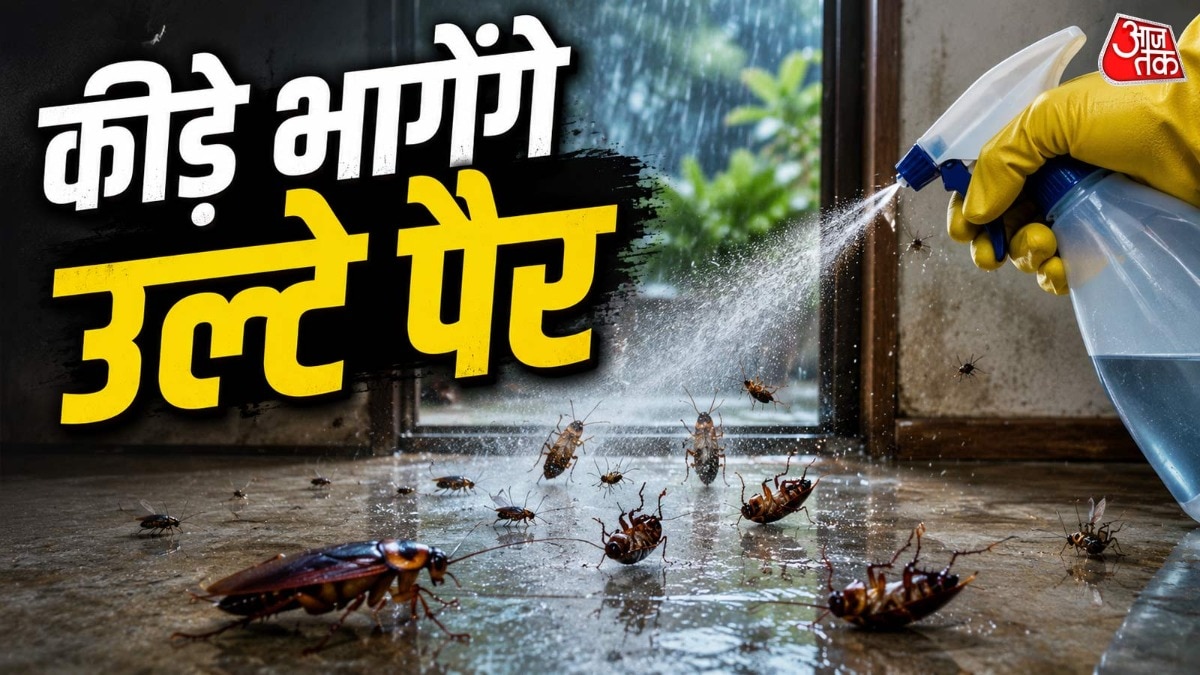
Avoid expensive and toxic chemical pesticides this monsoon. Learn how to create powerful, natural homemade sprays using kitchen ingredients to keep cockroaches and seasonal insects at bay.
- Natural alternatives are safer for children and respiratory patients than chemical aerosols.
- The combination of white vinegar and baking soda disrupts the respiratory system of cockroaches.
- Camphor and neem oil act as potent neuro-repellents for flying monsoon insects.
The monsoon season brings humidity and dampness, creating the perfect breeding ground for pests. In major urban centers like New Delhi, residents frequently face infestations of flying termites, mosquitoes, and cockroaches. As soon as the lights are switched on in the evening, hundreds of winged insects enter through windows and doors, posing both a nuisance and a health risk due to potential contamination of food.
While commercial chemical sprays are widely available, they often contain toxins that can be harmful to infants and individuals with asthma. Utilizing natural ingredients found in your kitchen can provide a safe and highly effective alternative to keep these pests away.
Two Most Effective Homemade Insecticide Solutions
1. The Vinegar and Baking Soda Solution: Mix 1 cup of water, 1/2 cup of white vinegar, 1 tablespoon of liquid dish soap, and 1 tablespoon of baking soda in a spray bottle. The vinegar and soap combination effectively blocks the breathing pores of insects, leading to rapid elimination. This is ideal for kitchen sinks, drains, and window sills.
2. The Camphor and Neem Oil Shield: Combine 1 cup of lukewarm water with 4-5 crushed camphor tablets, 1 tablespoon of neem oil, and 1/2 tablespoon of detergent powder. The pungent aroma of camphor and neem targets the nervous system of cockroaches and flying insects, forcing them to flee the premises. Apply this around main entrances and near tube lights.
"Switching to botanical repellents reduces the chemical load in indoor environments, offering a sustainable defense mechanism against seasonal pests without risking long-term toxicity."
Why This Matters
BozokMedia analysis shows that the shift towards organic home maintenance is increasing as urban populations become more aware of the long-term respiratory risks associated with aerosol pesticides. Natural alternatives provide a sustainable way to maintain hygiene without compromising health.
| Ingredients | Primary Effect | Best Application Area |
|---|---|---|
| Vinegar + Baking Soda | Respiratory Blockage | Sinks, Drains, Corners |
| Camphor + Neem Oil | Nervous System Repellent | Main Doors, Near Lights |
Preventative Measures for a Pest-Free Home
Spraying is only half the battle; prevention is key. Keep windows and doors closed during the evening. If flying insects are rampant, turn off the main lights and switch on a dim light in a far corner to lure them away from the living area. Additionally, install fine mesh screens over drains and keep kitchen countertops dry and clean.
Frequently Asked Questions
Q1: Are these homemade sprays safe for pets?
Generally, yes, as they use natural ingredients. However, avoid spraying them directly on pet bedding or near their food and water bowls.
Q2: How long does the effect of these natural sprays last?
Natural solutions evaporate faster than chemicals. For best results, re-apply the spray every 2-3 days.