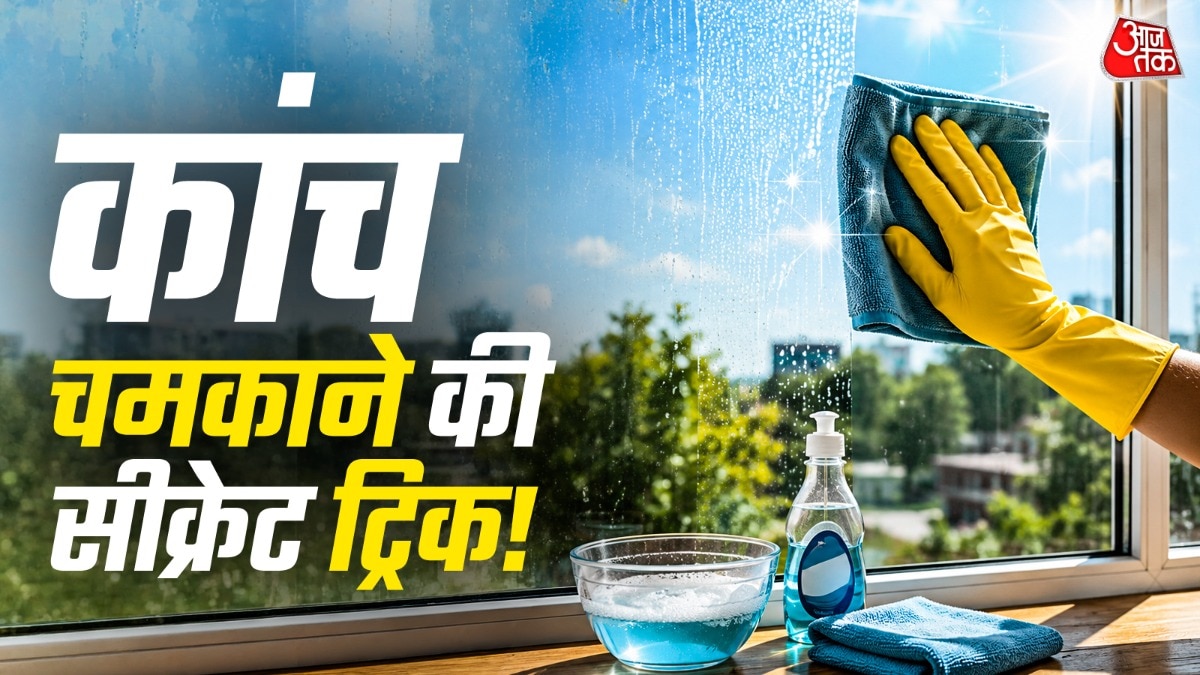
Tired of stubborn streaks on your mirrors and windows? Discover how a few drops of dish soap and a microfiber cloth can give your glass a professional, streak-free finish without spending a penny.
- Ordinary dish soap is a powerful alternative to expensive chemical glass cleaners.
- The combination of lukewarm water and microfiber cloths is essential for a lint-free finish.
- Avoid cleaning glass in direct sunlight to prevent rapid evaporation and spotting.
Crystal clear windows, mirrors, and glass tables are essential for a pristine home aesthetic. However, many homeowners struggle with the frustrating appearance of white streaks and lint residues even after a thorough cleaning session. Often, the culprit is not the lack of a premium cleaner, but the application method and the quantity of product used.
The Science of Using Dish Soap for Glass
Dish soap is formulated to break down grease and oils—the exact components found in fingerprints and kitchen grime on glass surfaces. While highly effective, the secret lies in moderation. Using too much soap creates a thick film that, upon drying, manifests as those dreaded streaks. A minimal amount is all that's needed to lift dirt without leaving a residue.
The Professional Cleaning Process: A Step-by-Step Guide
Begin by preparing a solution of lukewarm water in a spray bottle or bucket, adding only 1-2 drops of dish soap. Ensure the mixture is not overly sudsy. Use a high-quality microfiber cloth, dampen it with the solution, and wring it out thoroughly so it is only slightly moist.
Wipe the glass in a top-to-bottom motion. To ensure a perfect finish, follow up with a second microfiber cloth dampened with plain water to remove any remaining soap film. For larger surfaces, a squeegee is highly recommended; overlap each stroke slightly to ensure no gaps are left behind. Finish by buffing with a dry microfiber cloth.
Why This Matters
BozokMedia analysis indicates a common consumer fallacy: the belief that 'more product equals a cleaner surface.' In glass maintenance, the 'less is more' principle is paramount. By shifting to simple, diluted solutions, users not only reduce household expenses but also minimize the introduction of harsh volatile organic compounds (VOCs) into their living spaces.
"The most critical mistake in glass cleaning is working under direct sunlight, as the heat causes the solution to evaporate too quickly, locking mineral deposits into visible streaks."
| Method | Advantage | Potential Drawback |
|---|---|---|
| Commercial Cleaners | Immediate result | Expensive & Chemical-heavy |
| Dish Soap + Water | Cost-effective & Safe | Requires precise dosage |
| Vinegar/Alcohol | Removes tough grime | Strong scent |
Frequently Asked Questions
Q1: Can I use a regular cotton cloth instead of microfiber?
A: Cotton cloths often leave behind tiny fibers or 'lint.' Microfiber is specifically engineered to trap dirt and polish surfaces without leaving residues.
Q2: What are the alternatives if I don't have dish soap?
A: White vinegar or rubbing alcohol are excellent alternatives, particularly for removing sticky residues or heavy grease.