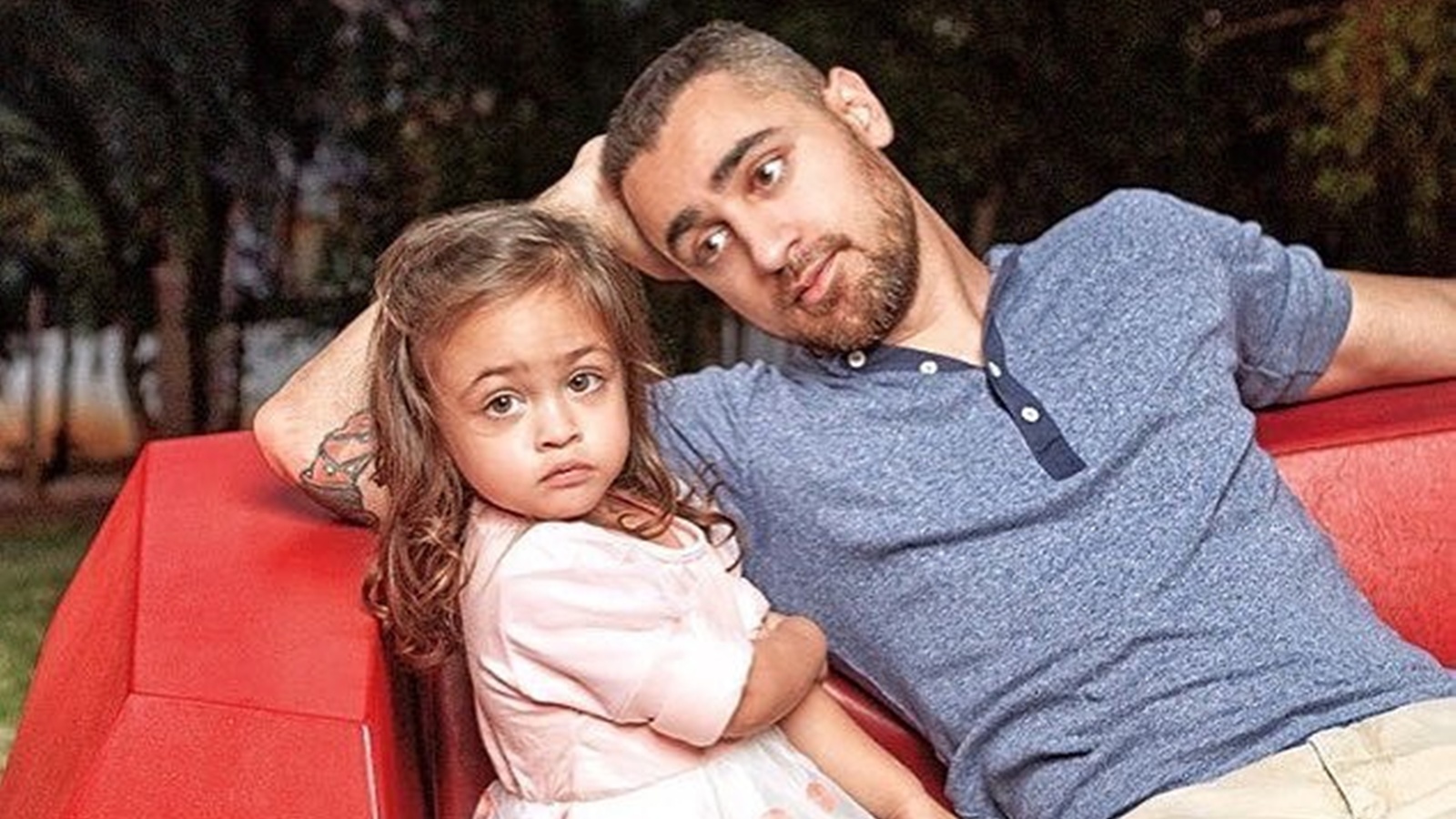
As he prepares for a cinematic comeback, actor Imran Khan discusses the profound impact of love, co-parenting his daughter, and emotional presence in his healing process.
- Imran Khan credits his daughter Imara and partner Lekha Washington for his emotional recovery.
- The actor emphasizes the subconscious impact of a parent's physical presence on a child's development.
- Psychologists highlight that post-separation stability is achieved through giving and receiving love.
Relationships and parenthood often intersect in complex ways, particularly following emotional upheavals like separation. For Bollywood actor Imran Khan, the path to rebuilding stability has been a journey of learning to give and receive care across different dimensions of his life. As he gears up for a return to the big screen alongside his uncle, Aamir Khan, Imran has chosen to reflect on the internal growth that preceded his professional comeback.
Having found love with Lekha Washington in 2020 and maintaining a co-parenting relationship with former partner Avantika Malik for their 11-year-old daughter, Imara, Imran describes these connections as the bedrock of his healing. He noted, "To be loved by someone truly gives you strength and heals you. To give love truthfully and selflessly to another also is empowering... It has been absolutely crucial to my healing and to my own growth."
Why This Matters
BozokMedia analysis shows that by prioritizing 'presence' over 'perfection,' Imran Khan is challenging the societal pressure on fathers to be mere providers. His narrative shifts the focus toward emotional intelligence and the psychological necessity of consistent caregiving, providing a blueprint for modern co-parenting.
Imran spoke extensively about the importance of being physically and emotionally present during a child's formative years. From the mundane tasks of feeding and school pickups to the nightly routine of putting his daughter to bed, he finds a sense of purpose and value that outweighs professional accolades.
"Giving and receiving love helps restore emotional continuity, reassuring the nervous system that connection is still possible and meaningful." - Neha Cadabam, Senior Psychologist.
From a psychological perspective, the brain in early childhood develops primarily through sensory and emotional experiences. A caregiver’s presence signals safety and consistency to the subconscious, forming the foundation for secure attachment and emotional resilience later in life.
Balancing the demands of personal growth, romantic partnerships, and parenting requires intention rather than perfection. Experts suggest that guilt is reduced when adults stop measuring themselves against unrealistic expectations and instead listen to the immediate needs of the moment, allowing different life phases to coexist harmoniously.
Frequently Asked Questions
Q1: Who is Imran Khan returning to the screen with?
Imran Khan is making his return to films alongside his uncle, the acclaimed actor Aamir Khan.
Q2: Why is 'presence' considered vital in parenting?
Physical and emotional presence signals safety to a child's subconscious, helping them develop trust and emotional regulation.