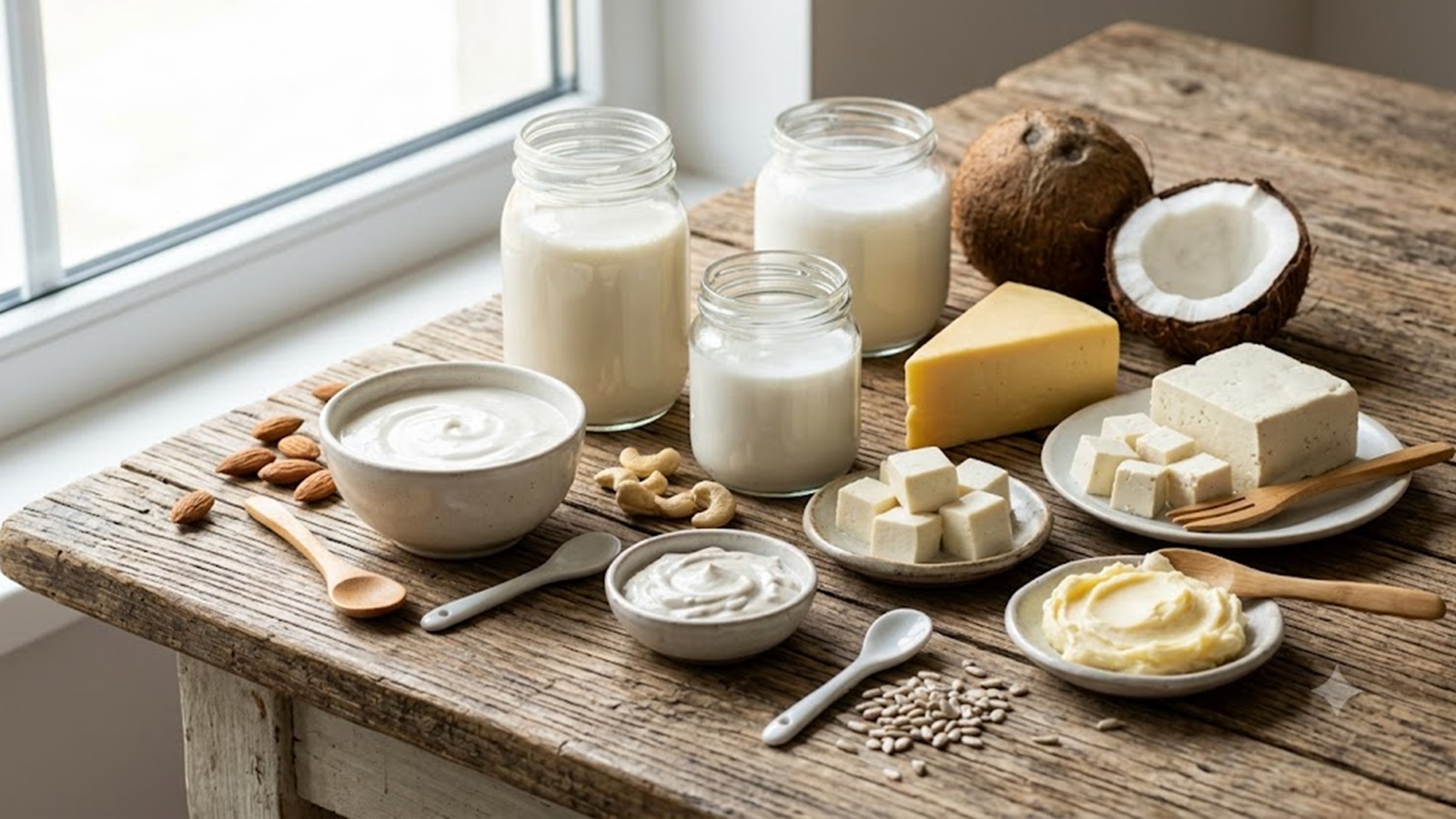
Following FSSAI guidelines, Zomato has implemented a zero-tolerance policy against analogue dairy products to ensure consumer transparency and food safety.
- Zomato has launched a zero-tolerance policy against restaurants serving analogue dairy.
- The move follows FSSAI directives to prevent the mislabeling of synthetic dairy substitutes.
- Analogue products often replace milk fats with vegetable oils and starches.
- Health experts warn of nutritional deficits and risks for those with severe dairy allergies.
In a significant move toward enhancing food transparency, the food delivery giant Zomato has announced a sweeping crackdown on analogue dairy products. This strategic shift comes in alignment with the Food Safety and Standards Authority of India (FSSAI) directives, which prohibit the sale of analogue foods—such as synthetic cheese—under the guise of genuine dairy products.
Zomato CEO Aditya Mangla emphasized that the core mission of the company is to provide "better food for more people," which necessitates safeguarding customer health. The platform has already begun delisting dishes that restaurant partners have declared as containing analogue dairy, warning that non-compliant partners will face permanent removal from the service.
Decoding Analogue Dairy: What is it?
Analogue dairy refers to products engineered to mimic the appearance, taste, and performance of traditional dairy foods but created using non-dairy ingredients. These often include vegetable fats, starches, and artificial flavoring agents instead of milk proteins and fats.
According to nutritionists, the primary concern is not necessarily that these products are toxic, but that they create a "nutritional gap." A consumer ordering paneer expects a certain level of protein and calcium; however, an analogue version may provide significantly less protein while containing higher levels of saturated fats and sodium.
Why This Matters
BozokMedia analysis shows that this crackdown represents a pivotal moment for the Indian QSR (Quick Service Restaurant) industry. For years, analogue products have been used to keep costs low and margins high. By enforcing transparency, Zomato is forcing a systemic shift toward ethical sourcing. Furthermore, for individuals with lactose intolerance or milk protein allergies, this distinction is literally a matter of safety, as mislabeled "dairy-free" analogues can still contain hidden allergens.
"Consumers must not judge a product solely by its appearance or price; reading the ingredient list is the only way to make an informed health choice."
Experts clarify that while plant-based alternatives are beneficial for vegans, the issue arises when these substitutes are marketed as conventional dairy. The lack of transparency prevents consumers from making conscious dietary choices.
| Feature | Natural Dairy | Analogue Dairy |
|---|---|---|
| Primary Ingredient | Milk, Milk Solids | Vegetable Fat, Starch, Emulsifiers |
| Nutritional Profile | High Protein & Calcium | Often Low Protein, High Sodium |
| Cost Structure | Higher Production Cost | Lower Cost, Longer Shelf Life |
Frequently Asked Questions
Q1: Are analogue dairy products completely unsafe to eat?
A: Not necessarily, but they are often nutritionally inferior and can be dangerous if mislabeled as natural dairy for someone with allergies.
Q2: How can I ensure the food I order is natural dairy?
A: Check the ingredient list or specifically ask the restaurant if they use analogue substitutes for paneer or cheese.