President Donald Trump has announced plans for a US Space Academy to cultivate the next generation of space professionals. The move aims to secure American leadership in the rapidly evolving global space economy.
- Donald Trump has proposed a federal US Space Academy to train future space leaders.
- The institution will integrate technical education with military-style leadership and discipline.
- A Presidential Commission led by NASA Administrator Jared Isaacman will define the academy's structure within 120 days.
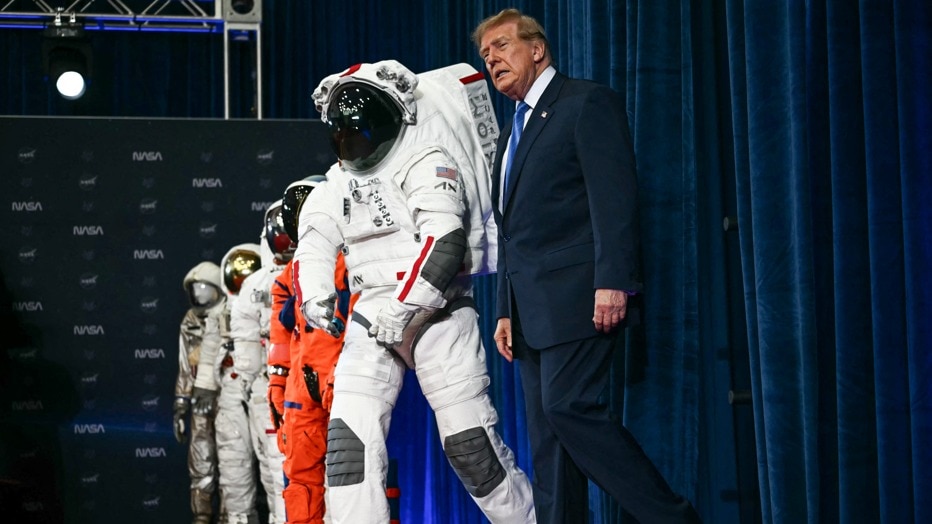
In a landmark announcement during his visit to NASA's Johnson Space Center in Houston, US President Donald Trump unveiled plans to establish the US Space Academy. This proposed institution is designed to prepare American citizens for a diverse array of careers in the space sector, moving beyond the traditional narrow focus on astronautics.
Drawing parallels to prestigious institutions like West Point and the US Air Force Academy, Trump envisions a center of excellence that blends rigorous academic training with leadership and public service. However, the academy is currently in the conceptual stage. The August 28 executive order establishes a Presidential Commission tasked with outlining the governance, academic curricula, and location of the facility.
The Scope of the US Space Academy
The proposed academy is envisioned as a NASA-led federal entity. Unlike existing training programs, this academy intends to produce a holistic talent pipeline. This includes not only astronauts but also scientists, engineers, space operators, entrepreneurs, and military personnel. The goal is to create a workforce capable of handling the complexities of deep-space missions and the commercialization of orbit.
"The next frontier of space dominance will be won by the nation that best integrates technical mastery with strategic leadership."
Why This Matters
BozokMedia analysis shows that this initiative is a strategic response to the accelerating pace of the 'New Space' era. With the US pursuing the Artemis missions to return to the Moon and eventually reach Mars, the demand for specialized human capital is skyrocketing.
Furthermore, the increasing reliance on private entities like SpaceX—which is expanding its Starship infrastructure—necessitates a new kind of professional. The US government recognizes that while rockets provide the transport, it is the human intellect and leadership that will determine the success of long-term lunar and Martian colonies.
| Feature | Current NASA Training | Proposed Space Academy |
|---|---|---|
| Primary Target | Astronaut Candidates | Scientists, Engineers, Entrepreneurs, Military |
| Educational Model | Job-specific Training | Comprehensive Degree-granting Institution |
| Inspiration | Technical Certification | West Point / Military Academy Model |
Historically, the US Space Program has been driven by government-led initiatives. However, the current shift toward international partnerships—exemplified by NASA's invitation to ISRO for the Moon Base program—indicates a transition toward a more collaborative yet competitive global ecosystem. The Space Academy is the US's way of ensuring it remains the primary hub of this ecosystem.
Frequently Asked Questions
1. Is the US Space Academy open for applications now?
No, the academy is currently a plan. A commission has 120 days to submit recommendations on admissions and requirements.
2. Will graduates be required to serve in the military?
This is one of the key points the commission must decide, though the comparison to West Point suggests a possible service obligation to the government.