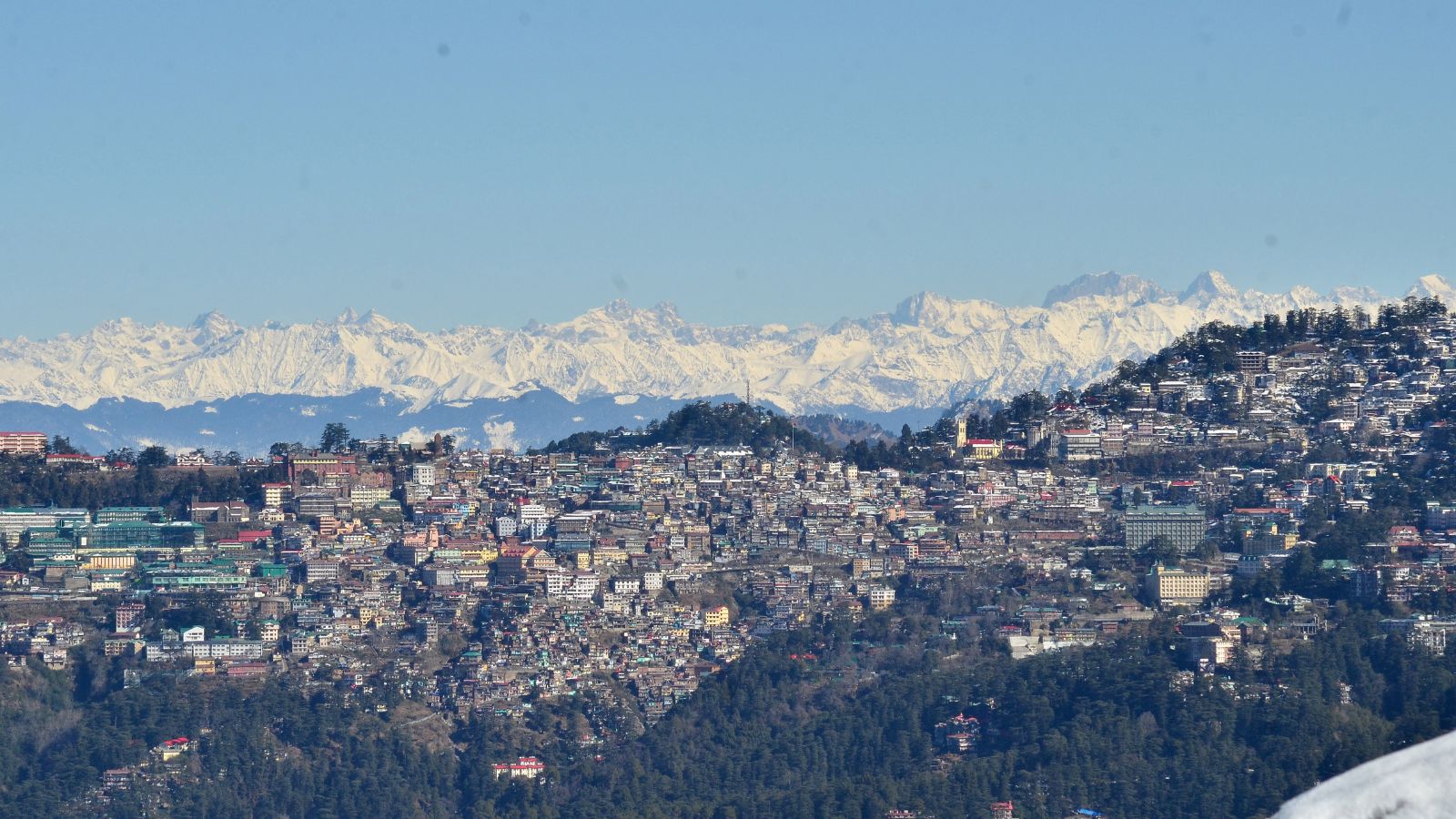
Mass flowering of Neelakurinji at Kanan Devan Hills Plantations (KDHP) has attracted thousands of visitors this September. The hills opened for paid trekking on September 3, boosting local tourism.
- Neelakurinji mass bloom returns after 2014
- KDHP opened trekking routes on September 3
- Tourist footfall expected to rise by 30 %
Visual Spectacle of the Bloom
Vast carpets of violet‑blue Neelakurinji (Strobilanthes kunthiana) have spread across the Korandakkad and Mattupetty slopes of the Kanan Devan Hills Plantations (KDHP) at an elevation of 6,000 feet. The flowering, which began in late August, marks the first large‑scale bloom since 2014, turning the hills into a living purple canvas.
Surge in Tourist Numbers
Located in Kerala’s Idukki district, the area has quickly become a hotspot for nature lovers. KDHP announced that, from September 3, visitors can trek the hills for a modest entry fee, with KSRTC shuttle buses providing easy access from the Munnar‑Top Station road.
Inauguration Ceremony
Devikulam MLA A. Raja officially inaugurated the trekking route at the Korandakkad entry point near High Range School. Present were Devikulam Sub‑Collector V.M. Arya, KDHP Executive Director and CEO Amir Abbas Khan, Panchayat President Saranya, Munnar Panchayat President S. Vijayakumar, and KSRTC Assistant Transport Officer Nijamudeen.
Historical Background
Neelakurinji blooms once every 12‑13 years, making each event a rare ecological phenomenon. The last mass flowering in this region occurred in 2014, after which the hills gained a reputation as a premier eco‑tourism destination.
Why This Matters
BozokMedia analysis shows that the bloom not only fuels local economies but also promotes environmental awareness and sustainable tourism practices.
"The resurgence of Neelakurinji offers new income streams for hill communities while preserving biodiversity," notes environmental scientist Dr. Ravi Narayan.
Frequently Asked Questions
Q1: How much is the entry fee for trekking?
A1: The current fee is ₹150, which includes guided assistance and safety measures.
Q2: Are there any photography restrictions?
A2: No specific restrictions, but visitors should avoid damaging the fragile habitat.