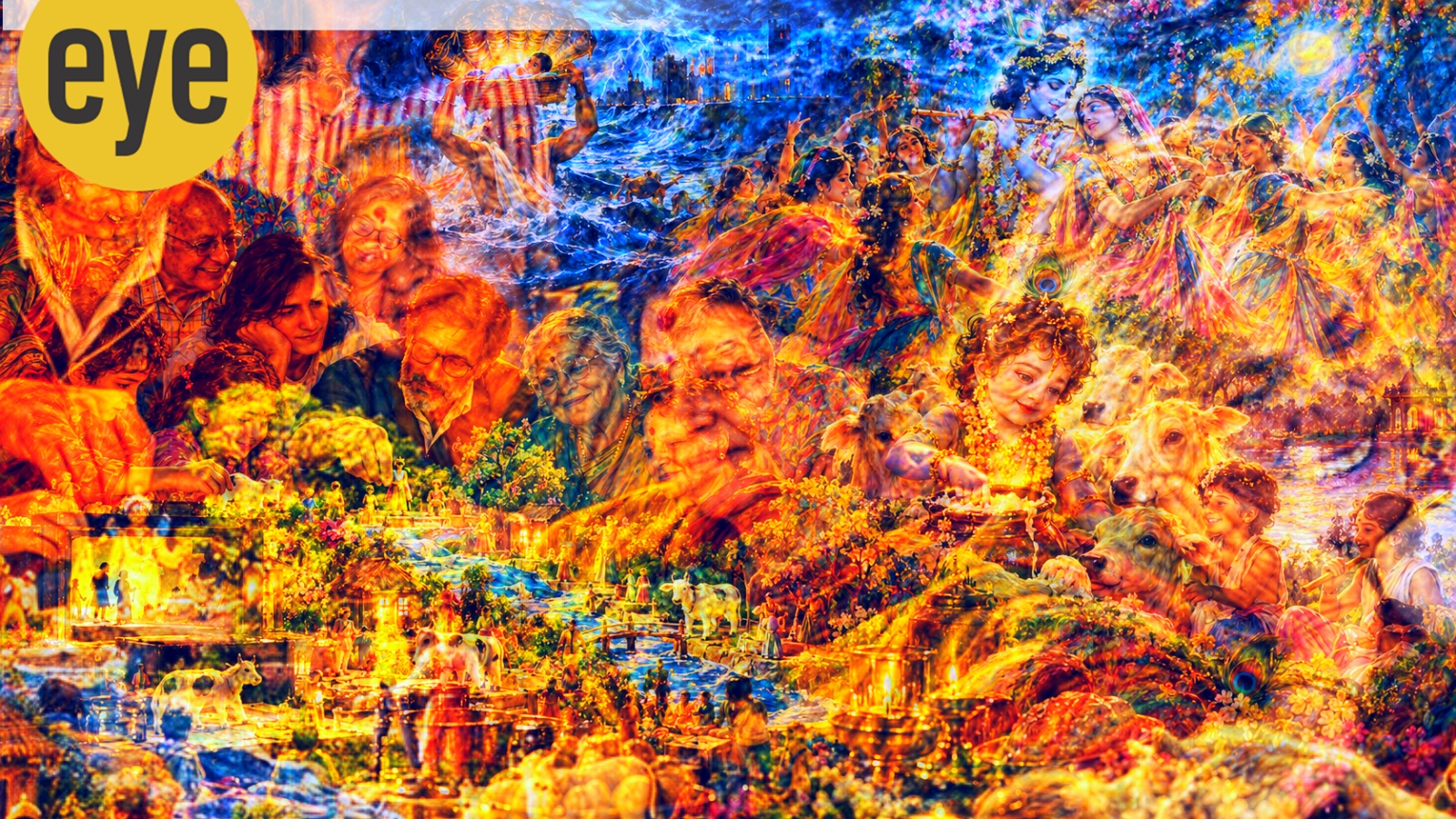
In a poignant reflection, Suvir Saran explores how Janmashtami is less about worship and more about the communal fabric of life and the enduring power of childhood memories.
- Krishna consciousness transcends ritual, focusing on human connection and empathy.
- Family traditions like building 'jhankis' serve as vital links to cultural heritage.
- Mythology and science can coexist as complementary ways of understanding existence.
Janmashtami is often viewed through the lens of fasting and festivities, but for many, it is a profound journey into the past. Suvir Saran captures this essence by reflecting on how certain melodies and traditions act as anchors, pulling us back to our truest selves amidst the chaos of adulthood.
The narrative centers on the childhood home of the author, where his father, Deepak, and his grandmother, Kamla Bhatnagar, turned the festival into a grand creative endeavor. Through the assembly of 'jhankis'—miniature dioramas made of old toys, cardboard, and even kneaded flour (atta)—the family didn't just observe a myth; they staged it.
Why This Matters
BozokMedia analysis shows that the preservation of cultural identity often relies on these micro-traditions within the family unit. These acts of 'remaking' mythology allow values to be internalized rather than just memorized, ensuring that the essence of the deity remains relevant to each new generation.
Mythology was not the enemy of science; both were humanity’s attempts to understand what it could see and what it could not.
A significant theme in the piece is the intellectual approach to spirituality. The author's grandmother taught him to question and wonder, presenting mythology not as a replacement for logic, but as a precursor to it. This perspective bridges the gap between ancient storytelling and modern inquiry, suggesting that the 'miracle' of Krishna lies in his relatability—a god who is divine yet unapologetically human.
By portraying Krishna as a figure who steals butter and engages in mischief, the author highlights why the deity remains so accessible. It is a reminder that the sacred is often found in the most mundane elements: a shoebox, a piece of cellophane, or a handful of flour.
Frequently Asked Questions
1. What is the core message of Krishna consciousness?
It is the idea that spirituality is reflected in how we treat others and how we live our daily lives, rather than just formal worship.
2. How do traditions help preserve history?
Through repetitive, creative acts like storytelling and festive assemblies, historical and moral values are passed down through emotional connections.