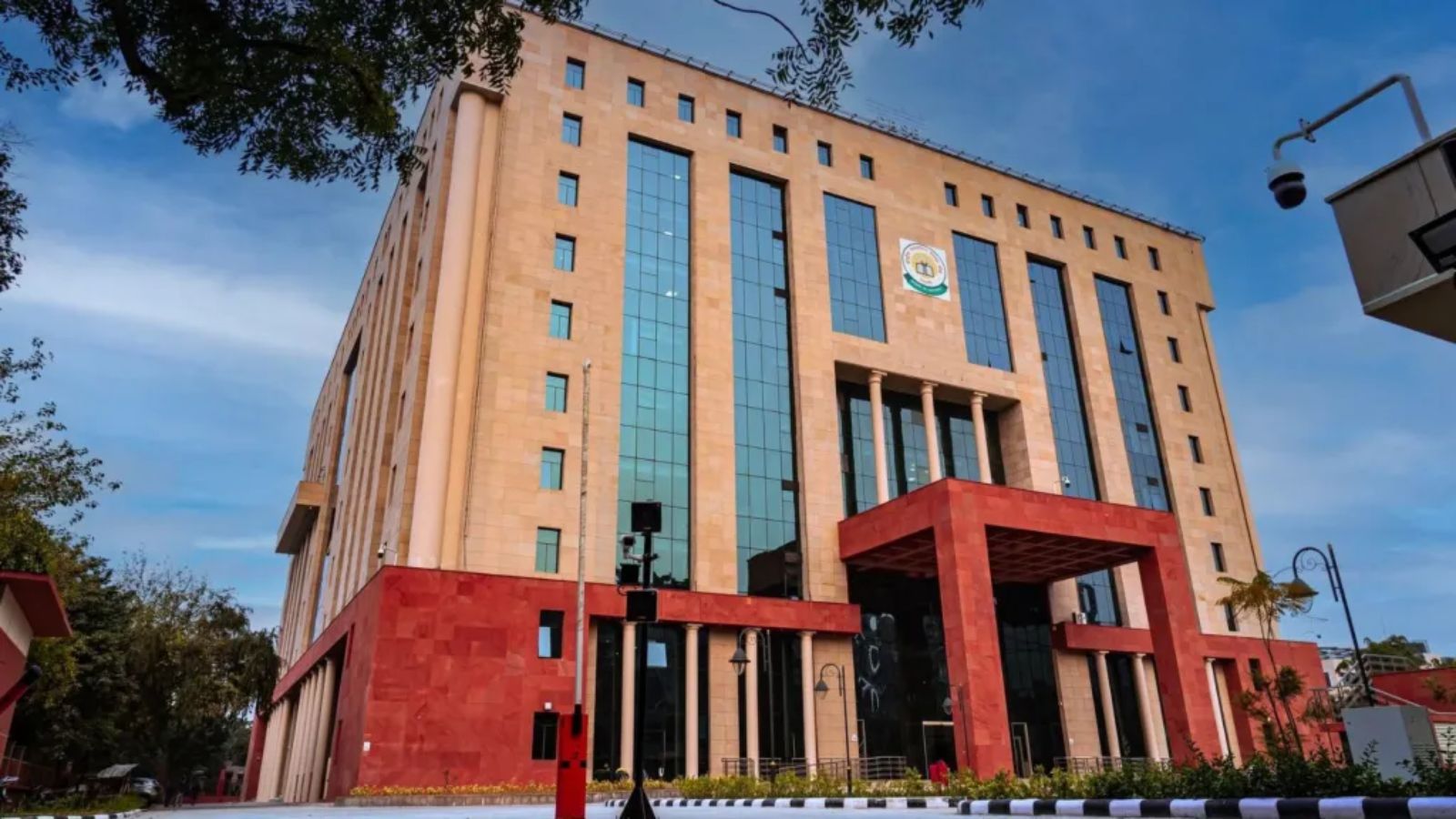
A newly inaugurated gallery in Tiretta Bazar breathes life into the centuries-old history of Kolkata's Chinese community, showcasing rare artifacts and stories of migration.
- The Cheenapara Heritage Gallery is housed in the historic Huining Huiguan building on Blackburn Lane.
- The exhibition traces 248 years of Chinese migration, focusing on economic specialization in trades like carpentry and shoemaking.
- The gallery aims to preserve the distinct cultural identity of Tiretta Bazar and Tangra ahead of the 250th anniversary in 2028.
Nestled within the bustling corridors of Tiretta Bazar, the newly inaugurated Cheenapara Heritage Gallery serves as a poignant bridge between Kolkata's colonial past and its multicultural present. Located at 17 Blackburn Lane, the gallery resides within the Huining Huiguan, a native-place association and temple established in 1908 by migrants from the Guangdong province of China. The space, which once acted as a sanctuary for newly arrived immigrants, now preserves the tangible memories of a community that has called the City of Joy home for nearly two and a half centuries.
The gallery's curation is a masterclass in storytelling through materiality. Rather than focusing solely on grand narratives, the exhibition highlights the 'lives inside ordinary things.' Visitors encounter a diverse array of artifacts, including traditional mahjong sets, abacuses, incense sticks, and specialized tools used by artisans. These objects illustrate the economic geography of Chinese Calcutta, where different migrant groups carved out niches in specific industries.
Why This Matters
BozokMedia analysis shows that the Cheenapara Heritage Gallery is not merely a local museum but a critical act of cultural reclamation. In an era of rapid urbanization, the preservation of the Huining Huiguan prevents the erasure of a minority community's contribution to the city's industrial growth. By documenting the specific roles of Cantonese carpenters and Hakka shoemakers, the gallery validates the Chinese community's integral role in building the infrastructure of modern Kolkata.
The historical trajectory of the community is marked by distinct waves of migration. Cantonese migrants became the backbone of the city's carpentry sector, with over 300 carpenters working at the Hooghly docks by the 1950s. Meanwhile, Hakka families dominated the leather and tannery industries in Tangra, and migrants from Hubei and Shandong specialized in dentistry and the silk trade, respectively.
"The building itself explains why Tiretta Bazar cannot be reduced to the convenient phrase 'old Chinatown'; it represents a specific regional identity from Guangdong."
Looking toward 2028, which marks 250 years of Chinese presence in Kolkata, director Tansen Sen and curator Sohini Pyne envision this gallery as the first chapter of a larger city-wide archive. Plans are already underway to establish a similar heritage space in Tangra to capture the unique evolution of that district's leather and culinary history.
| Migrant Group | Primary Specialization | Key Location/Impact |
|---|---|---|
| Cantonese | Carpentry | Hooghly Docks & Factories |
| Hakka | Shoemaking/Tanneries | Tangra District |
| Hubei | Dentistry | Central Calcutta |
| Shandong | Silk Trade | Commercial Hubs |
Frequently Asked Questions
1. Where is the Cheenapara Heritage Gallery located?
It is located at 17 Blackburn Lane, in the Tiretta Bazar area of Kolkata, sharing a wall with the Sei Vui restaurant.
2. What is the significance of the year 2028 for this community?
The year 2028 marks the 250th anniversary of the association between the Chinese community and the city of Kolkata.