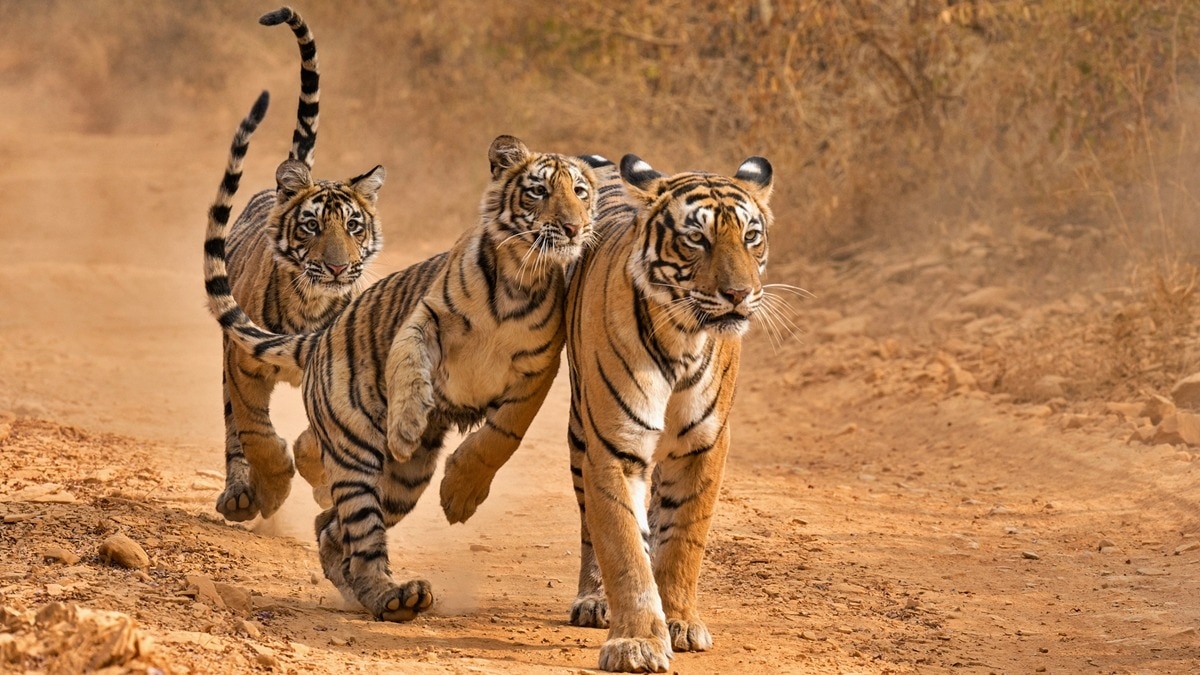
India's royal Bengal tigers are facing an unprecedented crisis in 2026 as a deadly combination of infectious diseases, shrinking forest cover, and rising human-wildlife conflict threatens their survival. Conservationists are calling for immediate systemic reforms to protect the national animal from ecological isolation.
Key Takeaways
- Fatal pathogens like Canine Distemper Virus are heavily impacting tiger populations.
- Rapid infrastructure development is dismantling crucial forest corridors, isolating tiger reserves.
- Shrinking habitats are forcing tigers into human settlements, escalating retaliatory killings.
India’s wildlife conservation journey has long been hailed as a global success story, but in 2026, the country's national animal, the Royal Bengal Tiger, finds itself fighting a desperate battle for survival. Despite past census successes, a grim reality is unfolding on the ground. Tigers are currently facing a triple threat: highly contagious diseases, rapidly shrinking and fragmented forest covers, and escalating conflicts with expanding human populations near reserve boundaries.
Historical Background: From Project Tiger's Success to Spatial Saturation
To rescue the species from the brink of extinction, the Government of India launched the historic 'Project Tiger' in 1973. This ambitious initiative established dedicated reserves and enforced strict anti-poaching laws, successfully reviving the population to over 3,000 individuals. However, by 2026, many of these reserves have reached their maximum carrying capacity. Young, sub-adult tigers seeking to establish their own territories are finding themselves squeezed out of protected zones into human-dominated landscapes.
| Parameter | Year 2016 | Year 2026 |
|---|---|---|
| Primary Threat | Poaching and illegal trade | Infectious diseases and corridor fragmentation |
| Habitat Status | Relatively continuous forest corridors | Severely fragmented and isolated patches |
| Human-Tiger Conflict | Occasional and localized incidents | Frequent, high-intensity daily encounters |
Why This Matters
BozokMedia analysis shows that the fragmentation of forest corridors does not merely restrict physical movement; it actively degrades the genetic health of the species. When corridors are severed, tiger populations in isolated reserves cannot interbreed. This lack of genetic exchange leads to severe inbreeding depression, weakening their immune systems and making entire populations highly susceptible to catastrophic disease outbreaks.
Furthermore, rapid urbanization, widening highways, and railway expansion have sliced through vital ecological pathways. In regions like Central India and the Western Ghats, tigers are increasingly falling victim to road and rail accidents. Compounding this physical danger is a rising biological threat: the transmission of Canine Distemper Virus (CDV) from feral dog populations living on the fringes of forests, creating a silent health emergency among wild felids.
"The crisis of 2026 is not about counting tiger heads; it is about securing the ground beneath their paws. Without contiguous, protected corridors, we are essentially confining these majestic beasts to ecological open-air zoos." - Dr. K. Subramaniam, Senior Wildlife Ecologist.
As natural prey bases dwindle and habitats shrink, tigers are increasingly entering agricultural fields and villages in search of easy prey, such as livestock. This has led to a sharp rise in human casualties, fueling intense local hostility. In several tragic instances, communities have resorted to poisoning carcasses or setting traps, leading to retaliatory tiger deaths. Experts argue that conservation cannot succeed without addressing the economic security and safety of forest-dwelling communities.
Frequently Asked Questions
Q1: Why is Canine Distemper Virus (CDV) so dangerous for tigers?
Answer: CDV is a highly contagious viral disease that attacks the respiratory, gastrointestinal, and central nervous systems of tigers. It causes severe neurological disorientation, making them lose their fear of humans and eventually leading to death.
Q2: What are forest corridors, and why are they vital for tigers?
Answer: Forest corridors are strips of natural habitat that connect larger forest patches. They allow tigers to safely migrate between reserves, preventing inbreeding, reducing local overpopulation, and minimizing direct human-wildlife encounters.