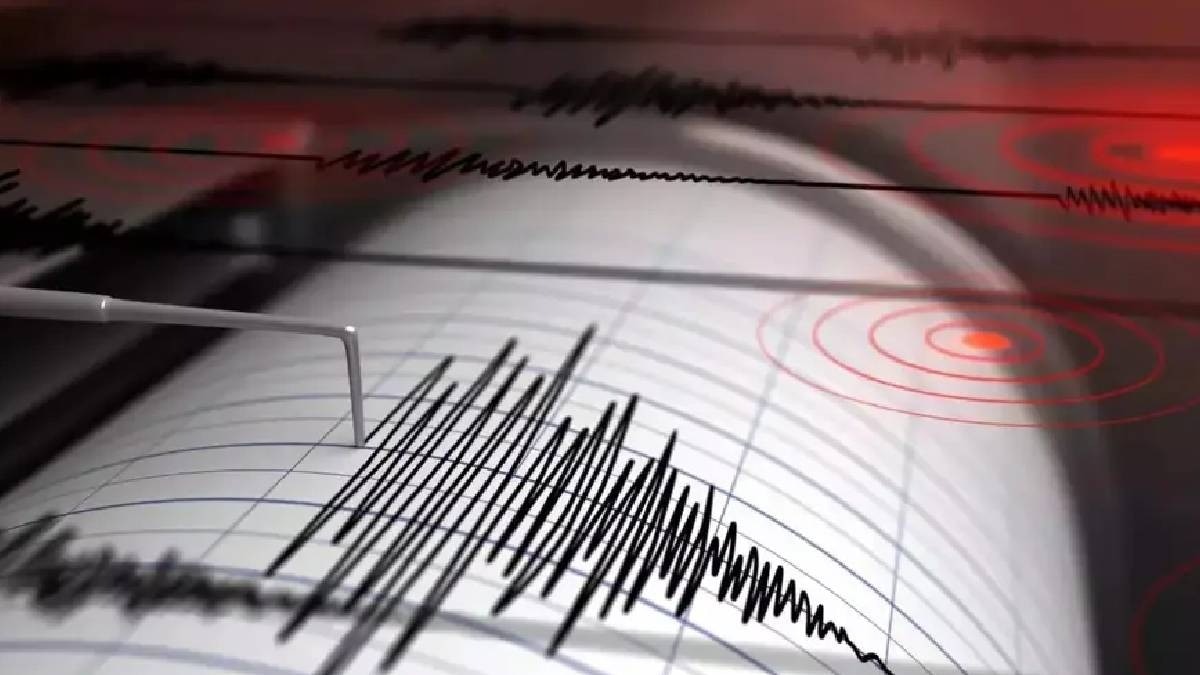
Residents of Delhi-NCR were startled early this morning by mild tremors measuring 2.9 on the Richter scale. The National Center for Seismology confirmed the epicenter and noted no immediate reports of damage or casualties. The incident highlights the region's persistent seismic vulnerability.
Key Takeaways
- Delhi experiences mild tremors of 2.9 magnitude early Wednesday.
- No reports of damage to property or life reported so far.
- Delhi falls under Seismic Zone IV, a high-risk area for earthquakes.
Panic spread briefly across the National Capital Region this morning as the ground shook due to an earthquake. According to the National Center for Seismology (NCS), the tremors were recorded with a magnitude of 2.9. While the shaking was enough to wake residents and prompt them to evacuate buildings, authorities have confirmed that there are no reports of structural damage or injuries.
Historical Background and Geological Context
Delhi is geologically situated in a precarious position, falling under Seismic Zone IV, which is classified as a high-damage risk zone. The city is located near several fault lines, including the Delhi-Haridwar ridge and the Sohna fault line. Historically, Delhi has experienced significant seismic activity, with records of major earthquakes causing destruction in the past. This latest event serves as a reminder of the tectonic instability beneath the rapidly urbanizing landscape.
Why This Matters
BozokMedia analysis shows that while low-magnitude quakes are common, they act as crucial stress tests for the city's infrastructure. With Delhi's population density soaring, even minor seismic activity raises questions about the readiness of our emergency response systems and the structural integrity of older buildings that may not comply with modern seismic codes.
Every tremor, no matter how small, is a geological nudge for us to review our urban resilience and strictly enforce building safety norms.
| Seismic Zone | Intensity Level | Risk Factor |
|---|---|---|
| Zone IV | High | Very High |
| Zone V | Very High | Extreme |
Frequently Asked Questions
Q: Is a 2.9 magnitude earthquake dangerous?
A: Generally, earthquakes below 3.0 magnitude are considered minor and rarely cause damage, though they can be felt by people.
Q: What should one do during an earthquake in a high-rise?
A: Drop to the ground, take cover under a sturdy table, and hold on. Stay away from windows and do not use elevators during the tremors.