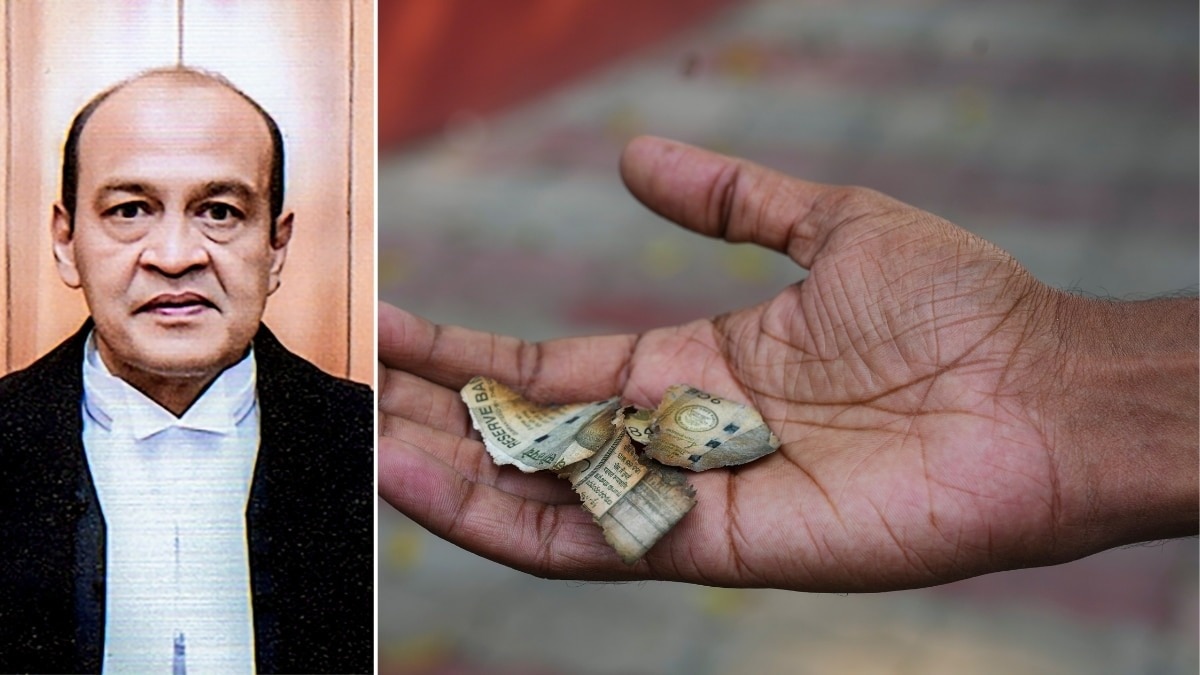
A parliamentary inquiry committee has found Justice Yashwant Verma guilty on all charges related to the massive cash discovery at his residence. Despite his resignation, impeachment proceedings are being prepared for the winter session.
Key Takeaways
- The parliamentary committee confirmed all three allegations against Justice Verma.
- Massive amounts of unaccounted cash were found at his official residence.
- Impeachment proceedings are recommended for the upcoming winter session.
- Serious negligence was noted by police and fire officials at the scene.
New Delhi: The high-profile 'Cash Scandal' involving Justice Yashwant Verma has taken a dramatic turn. A parliamentary inquiry committee has released its report, concluding that the presence of large sums of Indian currency at the Justice's official residence remains unexplained. The committee has categorized the failure to secure the cash by police and fire officials as a 'serious lapse' in duty.
The Committee's Findings
The three-member investigative committee has found all three allegations leveled against Justice Verma to be true. The report highlights a significant lack of transparency regarding the source and ownership of the cash discovered during a fire incident at his residence. Consequently, the committee has formally recommended that an impeachment motion be introduced during the upcoming winter session of Parliament.
Why This Matters: BozokMedia Analysis
BozokMedia analysis shows that this case presents a unique legal conundrum in Indian history. While a 1978 Supreme Court ruling suggests that a judge's resignation is sufficient to vacate the office, Justice Verma's name remains on the Allahabad High Court roster. This creates a rare situation where impeachment is being pursued even after a formal resignation has been submitted to the President.
This case challenges the boundaries of judicial accountability and the legal finality of a resignation amidst allegations of misconduct.
The controversy is further fueled by the fact that Justice Verma had previously declined suggestions to resign last March when the incident first came to light. With the committee's findings now public, the focus shifts to whether Parliament will proceed with the historic move to impeach a former sitting judge.
Historical Background
Impeachment is the constitutional process used to remove high-ranking officials, including judges, for proven misbehavior or incapacity. In India, this requires a complex procedure in both houses of Parliament, ensuring that the independence of the judiciary is balanced with strict accountability.
Frequently Asked Questions
Q1: What were the primary allegations against Justice Verma?
A: The primary allegations involve the discovery of unexplained large sums of cash at his official residence and procedural lapses during the investigation.
Q2: Can a judge be impeached after resigning?
A: While legally debated, the parliamentary committee has recommended impeachment because the judicial misconduct warrants a formal parliamentary record and investigation.