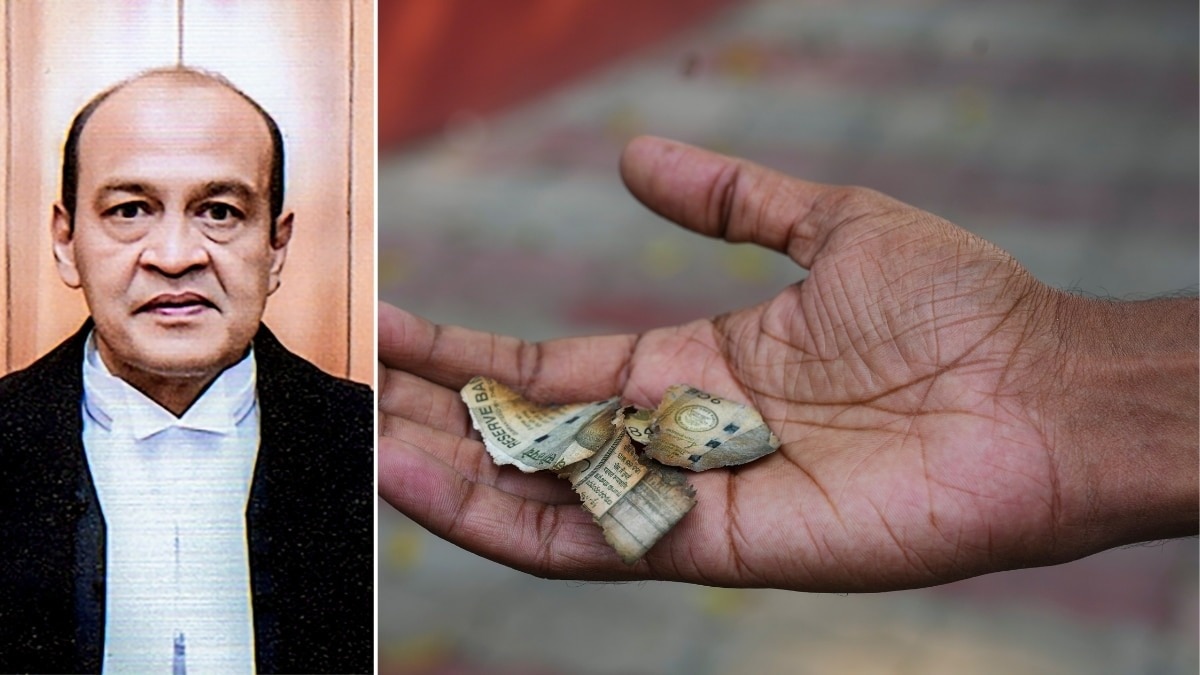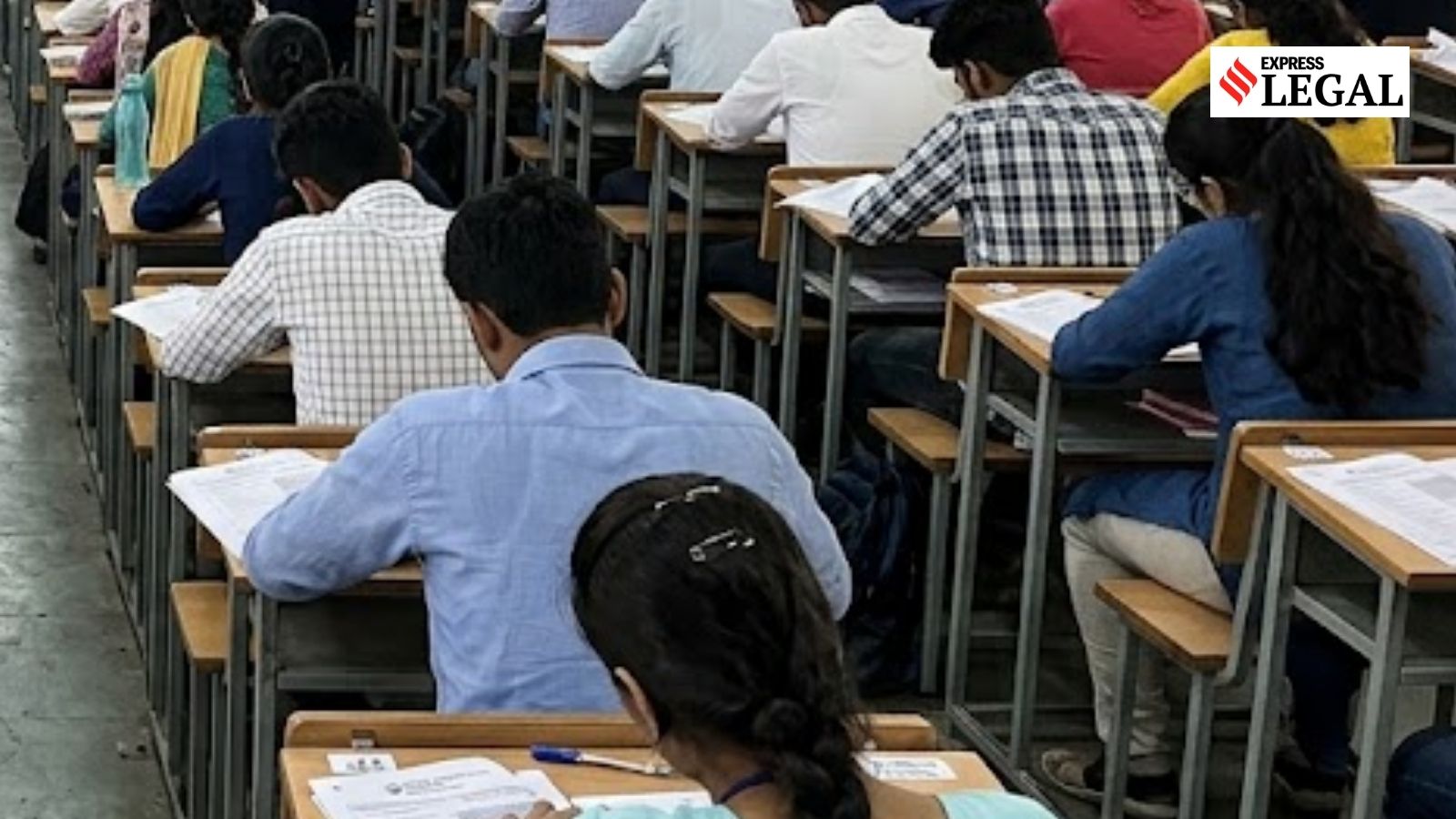
A Maharashtra-based Physics expert's statement in the CBI chargesheet has exposed the lack of formal criteria for selecting subject experts in the NEET examination process.
Key Takeaways
- CBI's chargesheet lists 360 witnesses in the NEET paper leak case.
- No formal eligibility criteria or written conditions exist for selecting subject experts.
- Expert selection relied heavily on recommendations from existing NTA associates.
- A lack of monitoring in translation and moderation processes was highlighted.
The ongoing investigation into the NEET paper leak case has taken a significant turn following revelations in the Central Bureau of Investigation (CBI) chargesheet. A Maharashtra-based Physics expert, who has been involved in central entrance examination work, has raised serious concerns regarding the National Testing Agency's (NTA) methods for selecting subject experts.
According to the expert's statement, there were no formally prescribed eligibility criteria or written conditions for selecting individuals responsible for setting, translating, or moderating NEET question papers. Instead, the selection process was largely driven by the recommendations of individuals already associated with the NTA, creating a system built on personal networks rather than professional standards.
Why This Matters
BozokMedia analysis shows that the absence of a standardized, transparent recruitment process for subject matter experts creates systemic vulnerabilities. When the gatekeepers of high-stakes examinations are appointed through informal channels, the risk of information leakage and institutional corruption increases exponentially.
The lack of formal documentation and oversight in the expert empanelment process is a critical failure in maintaining examination integrity.
The investigation also highlighted specific lapses in the translation process. It was noted that the translation of Physics papers was handled by individuals like Manisha Sanjay Havaldar, who has since been arrested. The witness claimed that throughout the year, teachers were engaged for item writing and moderation without formal appointment letters or documented procedures, leaving the process highly susceptible to manipulation.
Furthermore, allegations have surfaced regarding a Chemistry expert who allegedly used her influence to empanel approximately 40 to 50 acquaintances and friends into the NTA system. This pattern of 'recommendation-based' hiring suggests a breakdown in the internal controls meant to protect the sanctity of national-level entrance exams.
Frequently Asked Questions
1. What did the Physics expert reveal to the CBI?
The expert stated that there is no documented procedure or formal criteria for selecting subject experts, and appointments are mostly made through personal recommendations.
2. How does this affect the integrity of NEET?
The lack of oversight and formal selection processes allows for potential collusion, making it easier for sensitive question paper information to be leaked.