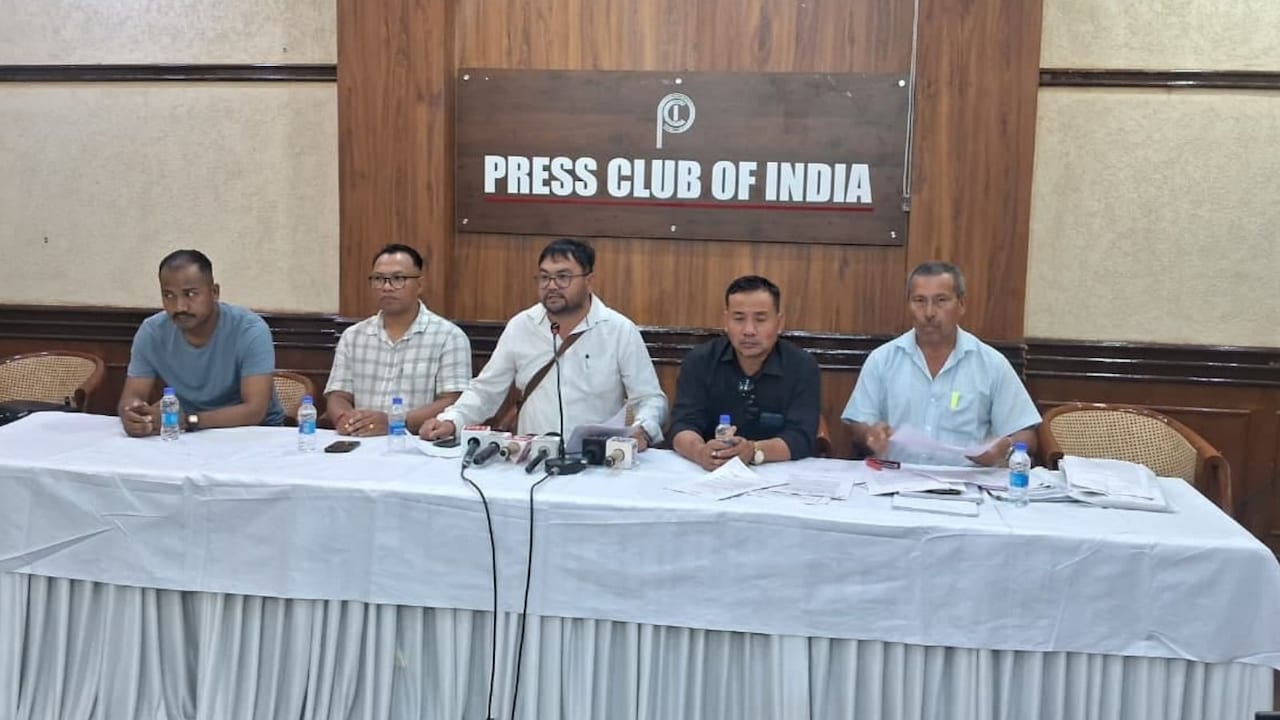
A coalition of 14 civil society organisations in Manipur convened in Delhi, urging the government to implement a National Register of Citizens before the upcoming census. They argue that the current climate of displacement and institutional breakdown would corrupt vital state data if a census proceeds without an NRC.
Delhi – Fourteen civil society organisations representing Manipur gathered today for a joint press conference, demanding that the National Register of Citizens (NRC) be carried out before the next national census. The call comes amid ethnic unrest, mass displacement and the breakdown of key institutions in the northeastern state, where many groups fear that a census without an NRC would produce distorted demographic figures.
Background and Social Pressure
Manipur, a small state in India's northeast, has been grappling with violent ethnic clashes, land disputes and a wave of internal migration over the past two years. Human‑rights monitors estimate that more than 30,000 residents have been displaced, while local communities argue that illegal migrants are altering the demographic balance and demand a formal identification process.
Challenges of the Census
India's next national census is slated to begin in 2024, a decennial exercise that informs resource allocation, welfare schemes and the redrawing of electoral boundaries. If the enumeration proceeds without first separating illegal residents, the resulting data could misguide policy decisions and exacerbate regional inequities. Manipur delegates warned that proceeding without an NRC would "institutionalise demographic discrepancies".
Political Response and Potential Impact
The central government has not yet issued an official response, but many politicians caution that NRC implementation is legally and administratively complex. Should Delhi endorse the proposal, it could set a precedent for other northeastern states, potentially triggering a cascade of similar demands and raising questions about national security and social cohesion.
Way Forward
Experts suggest that civil groups must back their claims with robust documentation to aid policymakers in crafting pragmatic solutions. Simultaneously, the government needs to accelerate rehabilitation, humanitarian aid and reconciliation efforts for displaced populations, ensuring that large‑scale initiatives like the NRC or census do not further destabilise fragile regions.