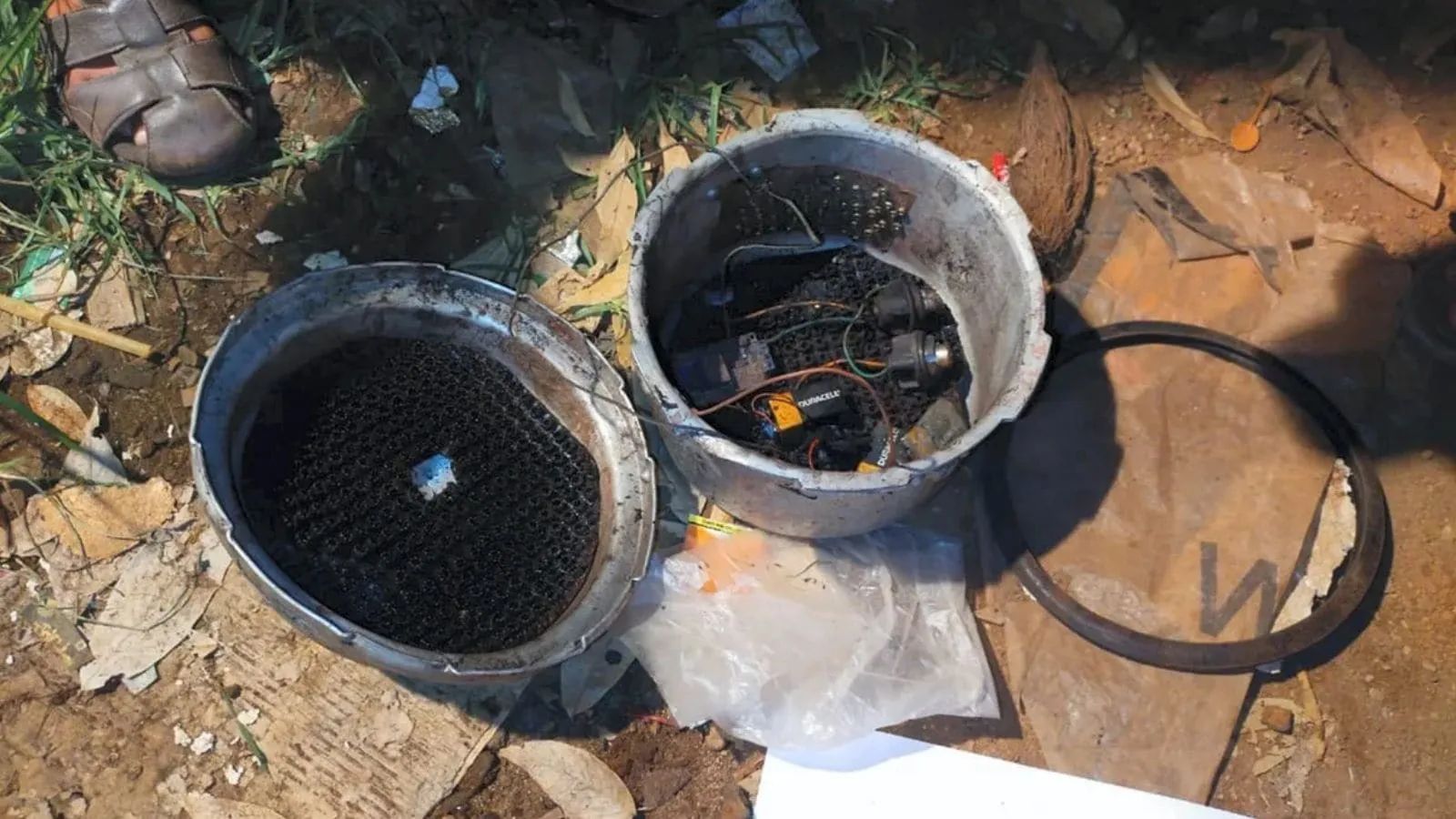
The National Investigation Agency (NIA) has moved the Karnataka High Court seeking to enhance the sentence of Mohammed Shariq from 10 years to life imprisonment for the 2022 Mangaluru cooker blast.
In a significant legal escalation, the National Investigation Agency (NIA) has approached the Karnataka High Court seeking a life sentence for Mohammed Shariq, the primary convict in the November 2022 Mangaluru cooker bomb blast case. While Shariq was previously sentenced to 10 years of imprisonment by a special court, the central agency is now petitioning to set aside the previous order and enhance the punishment to life imprisonment due to the gravity of the offenses.
The Incident and Modus Operandi
The case dates back to November 19, 2022, when an improvised explosive device (IED) contained within a pressure cooker accidentally detonated inside an auto-rickshaw in Mangaluru. The blast, which was intended to target a public space, resulted in serious injuries to Shariq himself and the auto-driver. Investigations revealed that the 27-year-old, a commerce graduate from the Shivamogga region, had utilized 'do-it-yourself' techniques learned online to construct the device, driven by the influence of the Islamic State (IS).
Legal Framework and Conviction
Shariq was convicted under the Unlawful Activities Prevention Act (UAPA), 1967, as well as several sections of the Indian Penal Code (IPC) related to attempt to murder, criminal conspiracy, and causing grievous hurt, alongside the Explosive Substances Act. The NIA's plea to the High Court emphasizes that the 10-year sentence does not adequately reflect the terroristic nature of the conspiracy. Additionally, the agency has sought compensation for the victimized auto-driver.
The Broader Terror Network
The investigation has highlighted a dangerous nexus involving a Shivamogga-based IS module, which has also been linked to the Rameshwaram Cafe blast in Bengaluru. The NIA alleges that these local operations are being orchestrated by Mohammed Shahid Faisal, a Pakistan-based operative and former engineer who was recently designated as a terrorist by the Ministry of Home Affairs. This case underscores the persistent challenge of radicalization and the sophisticated cross-border links used to fuel domestic terror modules.