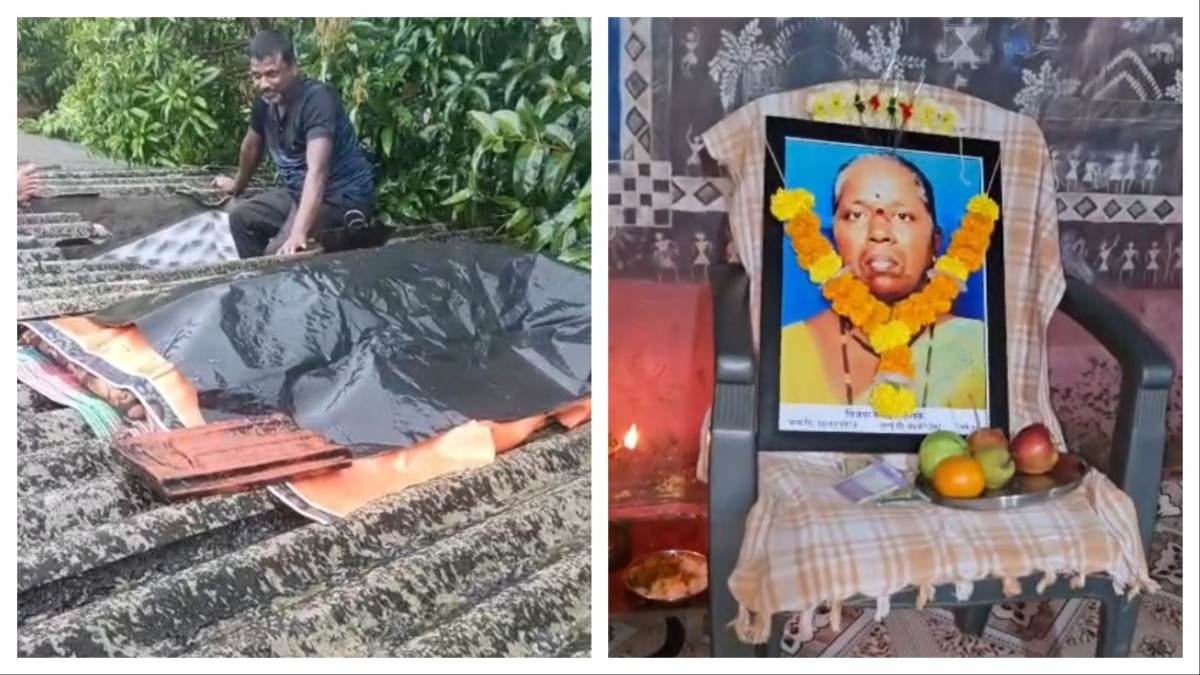
Severe monsoon floods in Maharashtra forced a family to take refuge on their rooftop, where they had to wait alongside the body of a loved one. The harrowing video has sparked nationwide debate over disaster response and infrastructure readiness.
मुख्य बिंदु (Key Takeaways)
- Heavy monsoon rains caused widespread flooding across Maharashtra, displacing thousands.
- A viral video shows a family stranded on a rooftop with a deceased relative, highlighting gaps in relief operations.
- Government rescue efforts are underway, but inadequate infrastructure and climate change pose ongoing challenges.
In June 2024, unprecedented monsoon rains turned large parts of Maharashtra into a waterlogged landscape. Rising river levels inundated homes, and many residents were forced to seek higher ground. A video that quickly went viral captured a family perched on their rooftop, holding the body of a loved one while awaiting rescue. The stark imagery has ignited a national conversation about the efficiency of disaster relief mechanisms.
Background and Meteorological Causes
The western coastal belt of Maharashtra is prone to heavy rainfall during the southwest monsoon, but this year’s deluge was unusually intense. Meteorologists attribute the surge to erratic monsoon patterns combined with rising sea surface temperatures, which amplified storm intensity. Consequently, river basins such as the Godavari and its tributaries swelled beyond historic flood marks, overwhelming existing drainage infrastructure.
Rescue Operations and On‑Ground Challenges
State authorities promptly activated the National Disaster Management Authority (NDMA) and mobilized the Indian Army, Navy, and local police for rescue missions. Helicopters, high‑speed boats, and relief convoys delivered essential supplies to affected villages. However, many remote hamlets lack all‑weather roads, slowing down evacuation and prolonging exposure to hazardous conditions. The video underscores how families often spend hours, sometimes overnight, in makeshift shelters without basic medical aid.
Historical Context
Maharashtra has a history of severe floods, notably in 2019 and 2020, which claimed thousands of lives and displaced millions. Those incidents spurred promises of improved flood‑control measures, yet critical gaps remain in reservoir management, early‑warning systems, and community preparedness. Climate experts warn that as global warming intensifies, the frequency and severity of such events will rise, demanding a strategic overhaul.
Path Forward
Adopting advanced technologies—such as real‑time water‑level monitoring, AI‑driven predictive models, and community alert networks—can mitigate the impact of future floods. Moreover, investing in resilient rural infrastructure, including robust roadways and flood‑resistant housing, will accelerate rescue operations. The heartbreaking scene captured in the video serves as a stark reminder that timely, coordinated action is the true measure of societal resilience.